Postcards From Legoland, Denmark

LEGOLAND, Denmark

LEGOLAND, Denmark

By Adeola Aderounmu

Happiness is one of the most important things in life.

When I set out on this holiday trip with my family, I knew my next article would be written in Denmark and I would like to find some inspirations, taking the time off my holiday mood and punching my keyboards. I write from Lanladia-Legoland.
DSC_0999

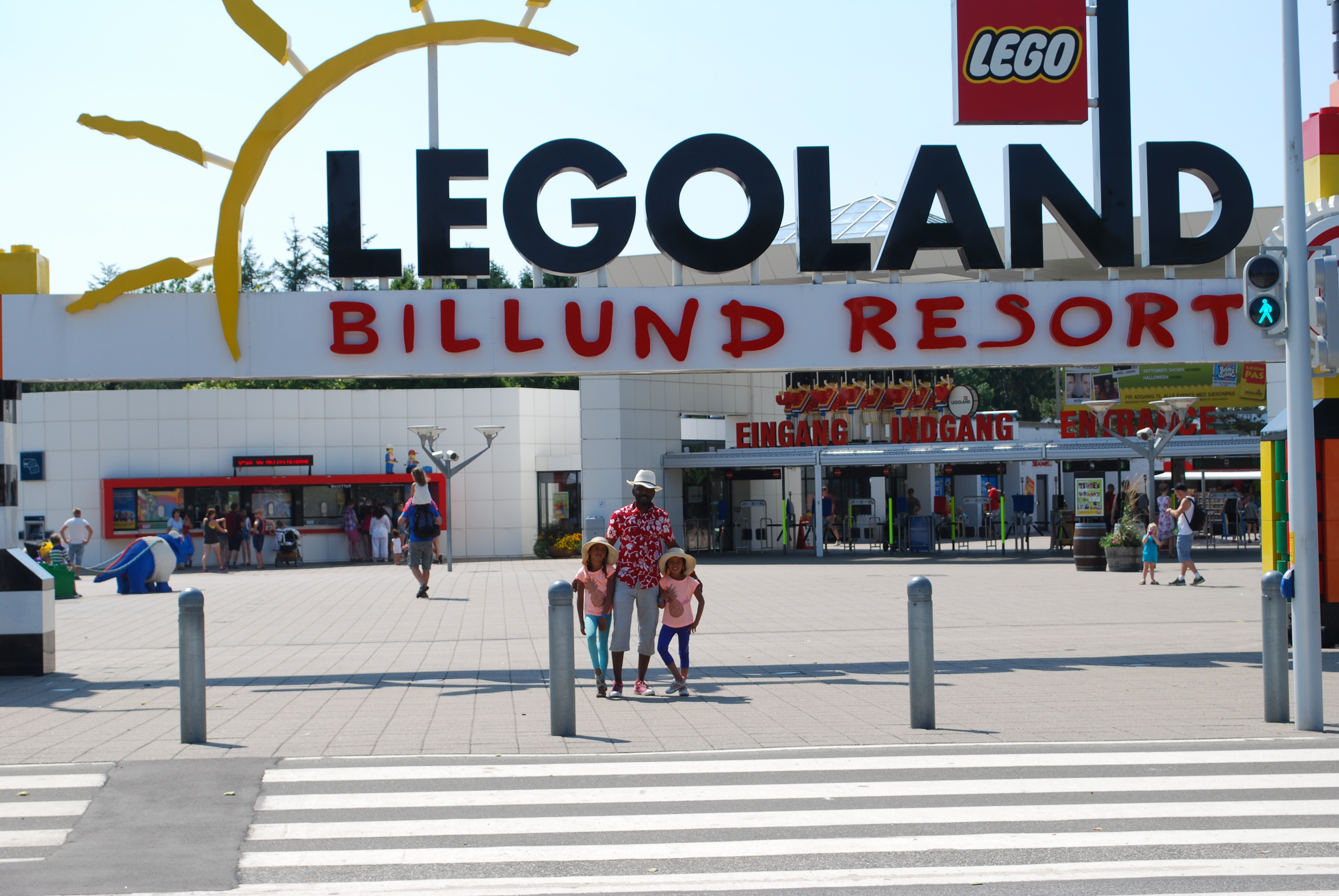
Lanladia is a small settlement in Billund which is about 265 km from Copenhagen. We took a long road trip all the way from Stockholm. That was the plan.

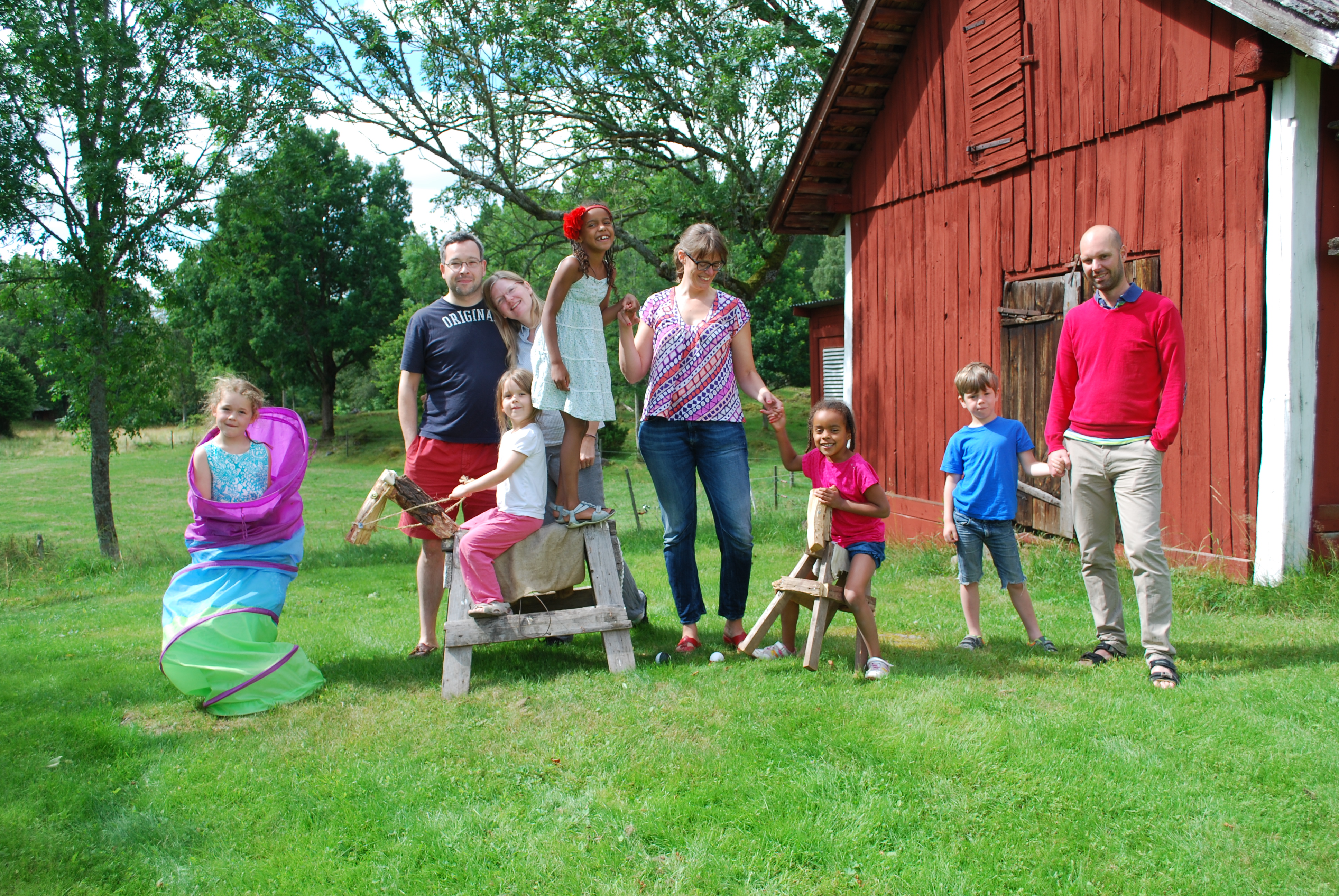
Before we left Sweden we made quite a number of stops on our way. We spent the first night at a small town called Vetlanda in Småland, in the heart of Sweden. Actually we visited a friend of my wife and her family and spent the night at their country home. It’s situated on a farm area. The children had fun with the kittens and the cows on the farm.
Vetlnda Farm House

Vetlnda Farm House

We also saw a friend of mine Olutayo Adegoke before we arrived at the farm house. It was an impromptu stopover but he was glad to take a short break from his work as we had lunch in a park near his office just outside Nörrköping. It was almost incredible when Tayo told me he would be travelling to Nigeria that night. What a stop we made!
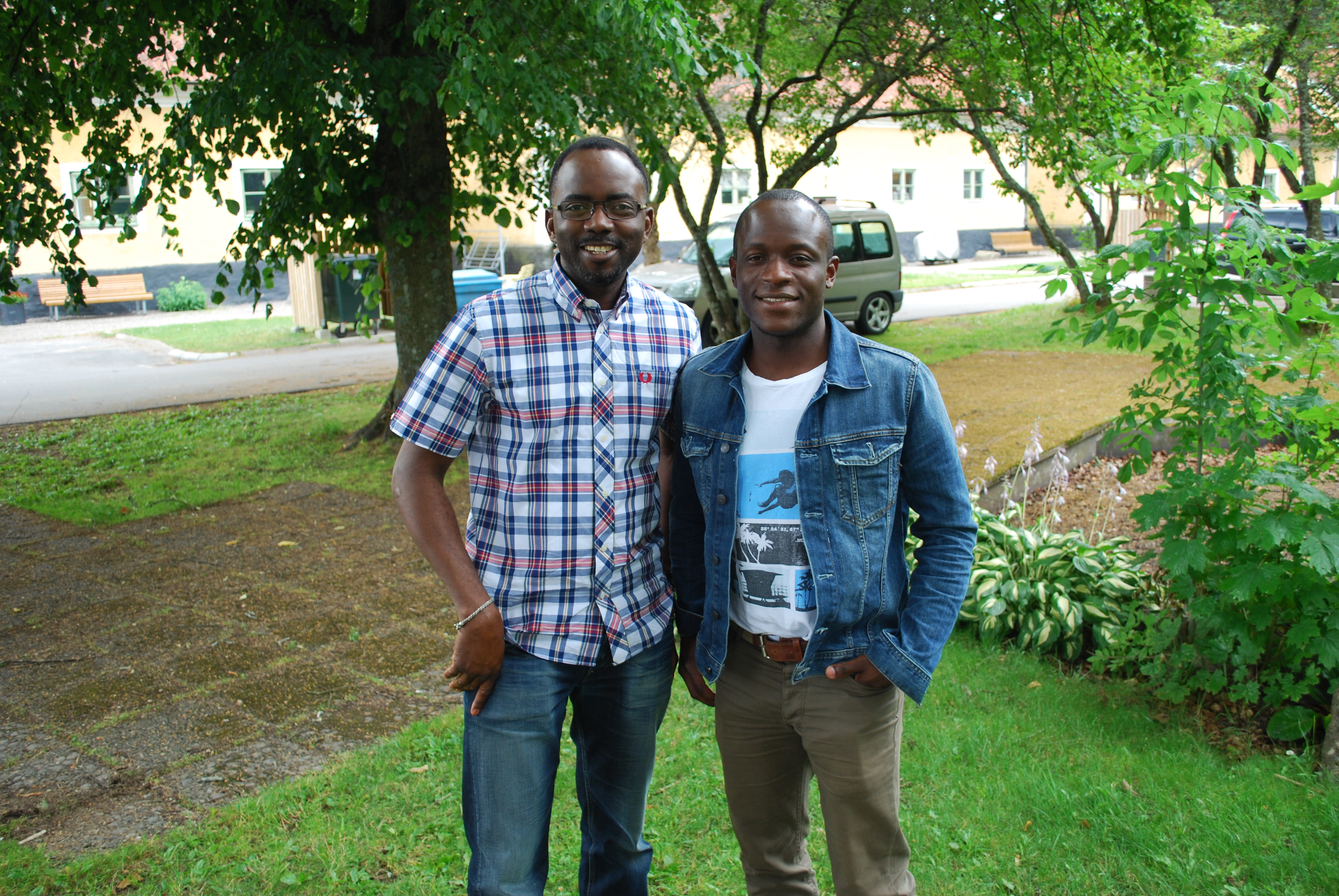
Adeola Aderounmu and Tayo Adegoke

Adeola Aderounmu and Tayo Adegoke

The next day our first stop was Avesta, also a small town in the South of Sweden. There lives Kelechi Udeh, a youg man I knew from Festac Town. We had lunch again in the open and near a car park at the center of the small town. We mingled with Kelechi for about 45 minutes and off we drove. He told me he is very happy to be settled in Avesta and I was marvelled how a Festac Town found happiness in a small town. Variety will remain the spice of life. It will always be in order to bloom where one has been planted.
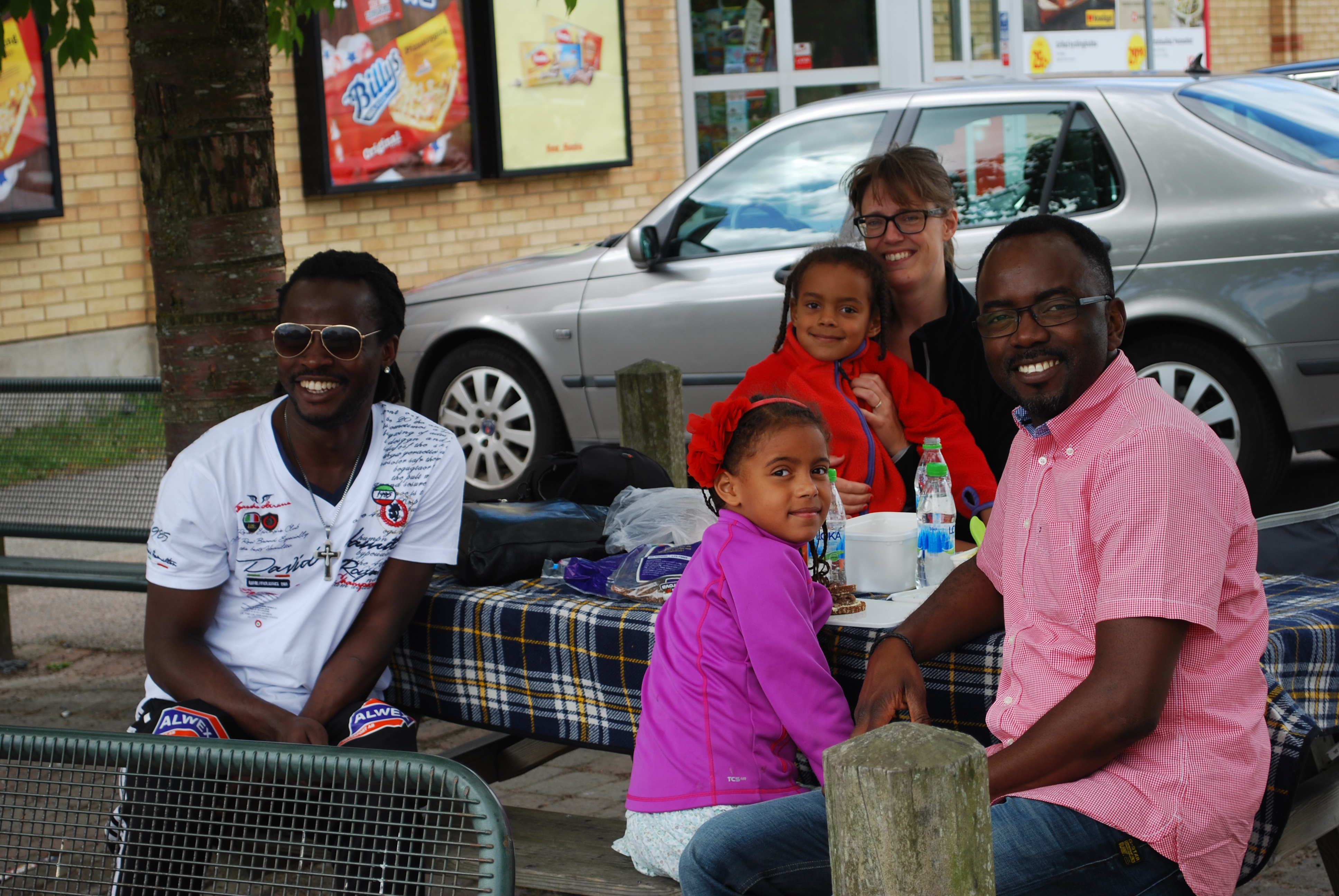
With Kelechi Udeh in Avesta

With Kelechi Udeh in Avesta

We reached Malmö in the early evening. Tolu Taylor agreed to host us for dinner. We were not going to say no. Tolu, a big brother, was my senior at Festac Grammar School. Adeolu Sunmola who was my junior and my student at the same school joined us. Onyebuchi Echigeme completed the mini reuniuon of the Festac Boys in Malmö when he later joined us for dinner at Tolu’s house. Indeed, Festac Town and the people from Festac are always close to my heart.
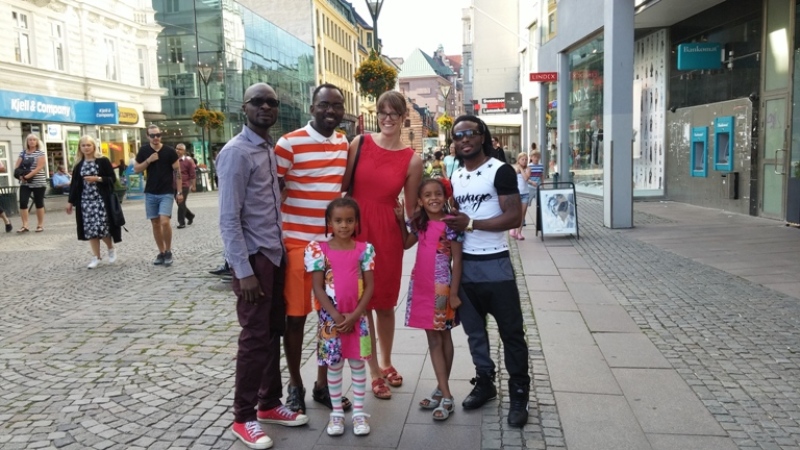
With Tolu Taylor and Adeola Sunmola in Malmö City

With Tolu Taylor and Adeolu Sunmola in Malmö City

We spent the night in Malmö and drove off to Denmark the next morning. We left home in Sweden on Tuesday morning and arrived Legoland in Denmark on Thursday shortly after lunch. We have driven close to 1000 km without encountering a single pot hole. I called European (E) roads paradise roads.
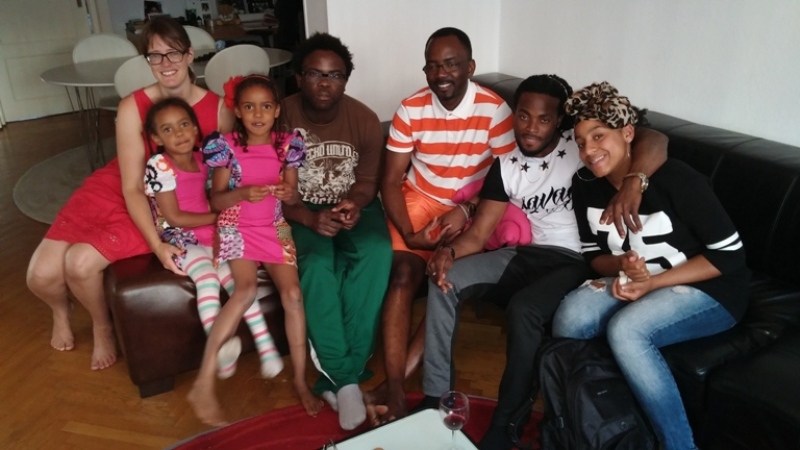
with Onyebuchi Echigeme

with Onyebuchi Echigeme

When this essay goes to publication we will probably be on a homeward journey. If our plans work fine, we will make surprise stops at Gothenburg and Örebro to vist more of my friends and incredibly it’s all about the Festac Town connections. They were built connections built from 1977 to 2002. They will last for life. In Copenhagen, we will be lucky if Mary Owolabi is home when we make our journey out of Denmark. She spoke of other plans, but we’ll see what happens.

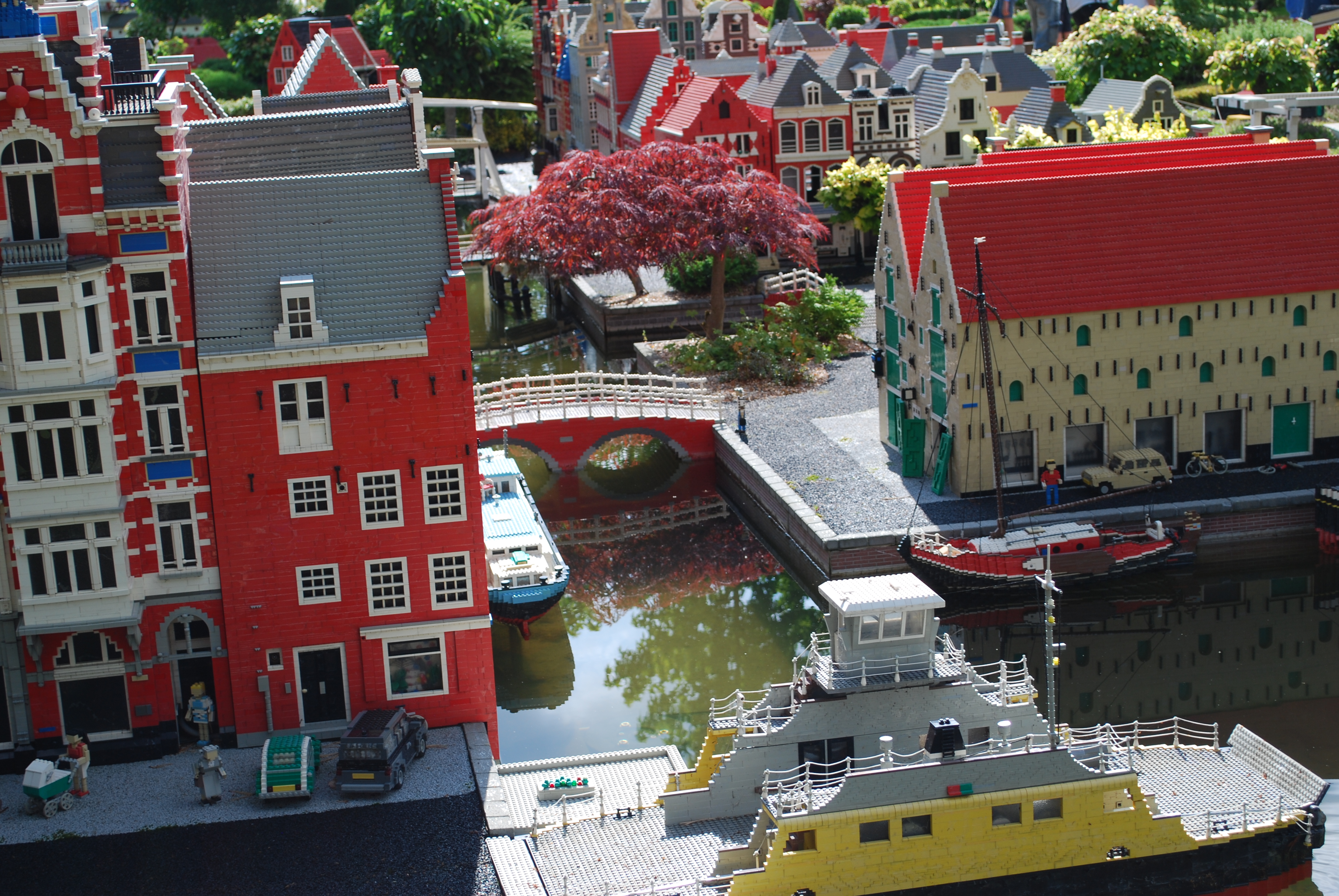
The children are having a blast. I read one day ago that Denmark is now the home of the happiest people on earth. It’s a good thing to be here when it happened. LEGOs are made or born in Denmark and it is a good experience for the children to see where some of their toys come from and how they come to life in Billund, Denmark. They are old enough never to forget the experience. The adventures have been awesome.

What will be hard for them to know is my heart felt wish or desire for the country where I was born. Unfortunately our experiences together in Nigeria in 2010 were mostly unpleasant. We spent 2½ hours at MMIA before our luggage were complete in our care, ran on generators for 2 weeks, nearly suffocated in heavy and static traffic, had limitations to where we could go and things we could do. The best thing about Nigeria was the warmth of our families and friends.

I have read the news, followed my twitter stream and stayed in touch with global events. I have read so many conspiracy theories on the Malaysia Airline plane that crashed in Ukraine. There are always more sad news than good news or maybe the good things are not always newsworthy. I am mostly worried about the things that are going on in Nigeria, a paradise lost.

Yea, Malala came to town. She was in Abuja to press for the release of the Chibok girls. Then the “bringbackourgirls” campaign group entered a one chance roforofo fight with the corrupt Nigerian presidency. Mr. Jonathan was at the fore front of a “fight” for once in a lazy presidential life time. I learnt he was bitter when he was refused the chance of meeting the Chibok parents.

I know there was an allegation of a missing $20 bn from a government that is now trying to borrow $1bn to fight Boko Haram. Who are the clowns in Aso rock? Everyday several billions of dollars are lost to oil theft only in Nigeria. Everyday too, Nigerian politicians loot several billion of dollars in the executive, legislature, state governments and local governments. That’s the way to explain their sudden riches and capabilities to buy up anything including the former tallest building in Lagos/Africa. They can buy customized private jets anytime they want. How much do they earn legitimately?

The government that steals so much money should be ashamed to even ask for the least borrow-able amount from any creditor. The same government is paying huge sums annually to foreign PR firms and lobbyists to help it repair its battered image and to label Nigerians in such ways as to promote the corrupt government. Only dubious creditors will be willingly to lend money to government that is supposed to be richer than it-the creditor. They call it business when they do.

There is no greater PR than eradicating corruption and serving the people rather than selves. The extremely low level of mentalities of the Nigerian politician leaves one in awe and shock. From the view of the rest of the informed world, it is mockery and easily set Nigeria among the countries ruled by nonentities. The classification, “among the most corrupt” is too easy.

There is at present a wave and fear of impeachment going on in Nigeria only in APC controlled states or in states where a governor brought a PDP-stolen mandate to the APC fold. My bigger expectation is for the Nigerian revolution that will totally impeach, sack and sweep altogether what is probably the most corrupt government in the world with headquarters in Aso Rock, Abuja.

Unless such happens, several million Nigerians will never experience the real meaning and essence of life. The witch-hunting and cosmetic approaches of politicians against politicians who are themselves the major problem with Nigeria are not close to the cleansing solution that Nigeria and Nigerians need. The Promised Land is getting farther.

I knew since 2011 that governance is on a long recess in Nigeria. The trend is common and predictable. Once an election period is over and the new captors of Nigeria settle down to amass, steal, loot and drain the treasuries, the struggle that will sustain or produce the next conquerors of Nigeria quickly goes into motion.

In the last three years, such a condemnable trend has produced the largest number of political prostitutes ever in Nigeria’s history. It is part of the reasons the wave of impeachment became the strongest weapon today, for rather than service to the people and fulfilment of electoral promises it was business as usual and psycho-egocentrism peculiar to the Nigerian political class. It is therefore too easy to line up impeachable offences against those on the other side of the power divide.

Nigeria’s politics is driven by insatiable lust for money and the highest bidders always buy the consciences of the ever-hungry looters called politicians (and sadly the populace too). In all, they are all birds of the same feather and 99.9% of them from Aso rock to Badagry and Sambisa local government areas ought to be spending time in jails by now. But we know that the institutions are dead in Nigeria, the worst hit being the powerless police and the strikingly corrupt judiciary.

The in-thing in Nigeria today is rice politics and stomach infrastructure. Nigerians have short memories and those who are old enough have learnt nothing from history. Even as a boy in primary school I was aware of the consequences of the politics of stomach infrastructure championed by one Shehu Shagari in the late 70s slash early 80s. The NPN was a short-sighted political group that distributed rice, clothes and even apartments to members to ensure that they rig and won the elections back in the days. The rest is history.

That history that includes the extensive reign of tyranny and dictators is what Nigerians have not learnt from. That the PDP, APC or any other party can distribute rice directly or through criminal sponsors is an indication that Lagbaja’s theory of 200 million mumus is a fact. I am short of words or expressions. The situation is not normal; Nigerians are caged, mentally and psychologically!

No matter where I go, no matter what I do. I will always argue for and on behalf of more than 90m Nigerians suffering in silence, disconnected totally from governance and having no idea of the meaning of life, how much more the good life in this temporary passage called earth or world.

I will always argue for social justice, the common good, and a clear understanding of the meaning and essence of life which is not far from the principle of live and let live. I know that illiteracy and total ignorance play huge roles in some parts of the country. I know that the North is a catastrophe based on narrations of friends who went up North.

What I saw in rural Oyo State during my service year in 1995/96 broke my heart. I saw very young and immature people having more children than the number of meals they can have daily. Even most of the adults have no clear scope of what types of life they were living. There is a lot of work to be done across the nations within Nigeria eventually. Education is a top priority now and in the future no matter what becomes of Nigeria or the regions enclosed within it.

My hope for Nigeria and the nations within it is that they will rise again and be on the path they were on the eve of October 1st 1960. The hope includes the rise of functional regional institutions that will usher or return good governance politically, economically and socially. Security of life and property through functional regional security is not the least of priority in a terrorist infected geographical space.

Nigerians are broken almost beyond repair and they need more than a miracle. Nothing short of a revolutionary ideology can save the day, nothing! It must be possible to wipe away corruption, nepotism, tribalism, looting and anything at all that stands in the way of the common happiness. There must be a way forward to build trust and comfort.

Happiness is all that matters in life. The excessive wealth piled up by Nigerian politicians is a reflection of their ill mental statuses, insensitivity to the plights of the deprived and an absolute lack of the understanding of the meaning and essence of life.

There must be a way to knock some senses into the politicians and public office holders that in a transient world, the senseless accumulation of wealth through direct stealing or looting is barbaric, meaningless and inconsistent with expectations of public services directed at humanity. If it takes a revolution of ideology or the over anticipated Saharan revolution, so be it. Silence on the part of a people being oppressed and misruled is not golden.

“Postcards from Denmark” is dedicated to:

1. A friend, Gbenga Akinbisehin (1973- July 16 2014). I heard about your death as a checked in at Malmö, you left too soon, too sudden. You’ll be missed.

2. Every non-corrupt Nigerian working genuinely hard everyday and never having the right to holidays. Your freedom will come.

aderounmu@gmail.com

My Nigerianness Has Expired

By Adeola Aderounmu

One day in December 2006, I sat in my car for more than 4 hours at a gas station in Festac Town, Lagos. We had queued up for petrol because the commodity had been scarce for some time. That morning when I arrived at the gas station at about 6 a.m, I thought I was going to be one of the first people at the station but to my chagrin surprise it appeared that some people slept over at the gas station.

Adeola Aderounmu 2008_2

As I waited and drove at snail speed to the nozzle where all the attention was, I saw how people struggled and fought to procure a commodity that is flowing freely right underneath their feet. For the first time in my life, I cried out loud, profusely with lots of tears flowing from my eyes. I was alone. There was no chance of consolation and my emotions burst without any hindrance. I had returned 2 weeks earlier from a place where I just drive to an unmanned gas station, fill my tank and drive away in no time. MyNigerianness had expired.

One day I wrote to a friend discussing about my paternal leave in 2007. He was shocked as I explained the process to him and that the plan was to be at home with my daughter who was one at the time. In 2011 I repeated the process taking care of our second child. In this piece titled- An argument for parental Leave,http://www.nigeriavillagesquare.com/articles/adeola-aderounmu/an-argument-for-parental-leave-13.html, published here in the village square and in the Nigerian Guardian Newspaper I shared the experiences and the benefits of parental leave. But I know how far Nigeria and Nigerians are from such idealism. I know that my Nigeriannesss had expired.

When I’d talked to some people at home and abroad about picking up my children from school and making them dinner, I know the type of scorn and other types of reactions that people show (or sometimes fail to show). But if you grew up with my mother of blessed memory, it was imperative that you could cook. It was our next line of training after high school to take over the kitchen tasks while waiting for admission to the University.

During our younger years, we were required to be at home when the food was made so that we can participate in the consumption. If you were away, your reasons must be genuine and understandable. Unfortunately this family value given to boys and the ability to use it at home in the presence of the female members of the family is not generalised in Nigeria. Things fell apart many years ago and some misunderstanding of cultural values tangled with ego and ignorance.

There was one man I’d met regularly in Stockholm in the early 2000s. He was always late to our meetings and there was always one reason or the other while he came late. My replies were blunt; I always told him that I didn’t believe him. His problem was that he did not know how to shed the African time syndrome. I don’t meet this man again. He had since found his way back to Ibadan.

There are other things that remind me of the African time syndrome. One day I was invited to an event that was slated to start at 5pm. By 7pm, they had not even finished preparing the venue, so I left and when I got home I was able to see one of the football games for the evening. About a week later I heard from other people at another event that the New Yam Festival event went on to start around midnight! I was glad for the call I made-to return home before the evening burnt out. My Nigerianness had expired!

Last summer (2013) I started using my bicycle more often. I biked to the train station and then join the communal transport. When I arrived at work, I would have been on the bicycle, the train and the bus. I thought it would be over by the end of summer. No, it didn’t! I went on to bike to the train station over the autumn and then winter. Around 2008, I’d found the idea of people changing the tyres of their bicycle to winter tyres ridiculous but that was just what I did in December 2013 as winter sets in. My Nigerianness is over!

If someone had shown me this vision in 2001 or even in 2005, I would have laughed. Now I know that myNigerianness had totally expired. I no longer see the egoistic statuses that we went about dissipating when I was living in Nigeria. I know I’m never going to be able to give up that Nigerian sense of fashion and beauty. But for cars, they don’t mean the same thing to me as they did in 2001.

In another essay from July 2007 I’d asked a question: Who Planned Our Lives In Nigeria? Life can be easy or easier if we judge it by the simple things that have self-fulfilling effects.  Life can be more meaningful if we don’t live above our incomes and if we stop setting standards just to meet other people’s expectations or their fantasies.

Life is more worth living if we live gracefully. My hope for Nigeria is that the time will come when the majority of the people will stop struggling just to survive but rather that they are presented with the fair opportunities to let them reach their potentials and accomplish happiness built on contentment and selflessness. That time will be freedom time, a freedom that will be fought for.

I’m feeling that my hopes mean that the possibility of reviving my Nigerianness may have been lost forever.

aderounmu@gmail.com

How Obama Is Bringing Stockholm To 2 days Of Standstill

Barack Obama will visit Stockholm-Sweden from 4-5th of September 2013. For those 2 days life will become hell for some people especially those who live or work around Stockholm city.

We have not seen something like this before in Sweden, when the capital of Scandinavian would be brought to a halt because of a visit.

Obama is bringing:

1. Air Force One
2. His car- the beast
3. 5 helicopters
4. About 40 cars
5. 29 transport planes
6. Security from the secret service
7. About 300 advisers and press contacts
8. Other personals numbering around 150
9. 6 doctors
10. His cook

He will also be provided security by all the police in Stockholm.

I thought maybe the Swedish government can declare 2 days of holidays for everyone. Or maybe we can have the longest weekend ever closing on Tuesday night (3rd of spetember) and returning to work on Monday the 9th.

One of the busiest roads in Stockholm (E4) will be closed during Obama’s arrival and drive through to his destination in Stockholm. Large areas of the central part of Stockholm will not be accessible and transport will be severely affected.

While I understand the security and safety issues connected to Barack Obama, I do not personally appreciate the extremity attached to it. I do not appreciate that the lives of other people will be put on hold for up to 2 or 3 days depending on where Obama is threading.

A major train station will be locked for more than 12 hours. Some businesses and offices will be closed for certain periods.

Thousands of people will change their local and international travel plans for the sake of Barack Obama.

In this age of advances in technology and sophistication, I do not agree that what it takes to protect Obama is to pause or stop the lives of other people.

I think this has been taken too far.

I thought Nigerian rulers took things too far when they take over major parts of the cities or town during their worthless visits or attendances at events.

But looking closely on what is about to go down in terms of American and Swedish tax payers monies due to one Obama visit, I am almost weeping for the poor people in America.

Yoruba Union in Stockholm Celebrates First Ever Yoruba day

By Adeola Aderounmu

Yoruba Union in Stockholm was founded on the 15th of May, 2010. Our goals are clearly stated in the constitution of the Union:

• To serve as a common forum through which the Yorubas in Sweden can meet and discuss matters of common interests.
• To serve as an avenue for social and cultural interactions among the Yorubas and other nationalities
• To act, when necessary as a link between members of the union and the Swedish Authorities
• To promote and encourage solidarity at all times amongst members.
• To teach our children about the traditions and knowledge of the Yoruba race
• To show/ introduce the Yoruba culture to the the Yorubas and other people living in Stockholm and Sweden in general

DSC_0203
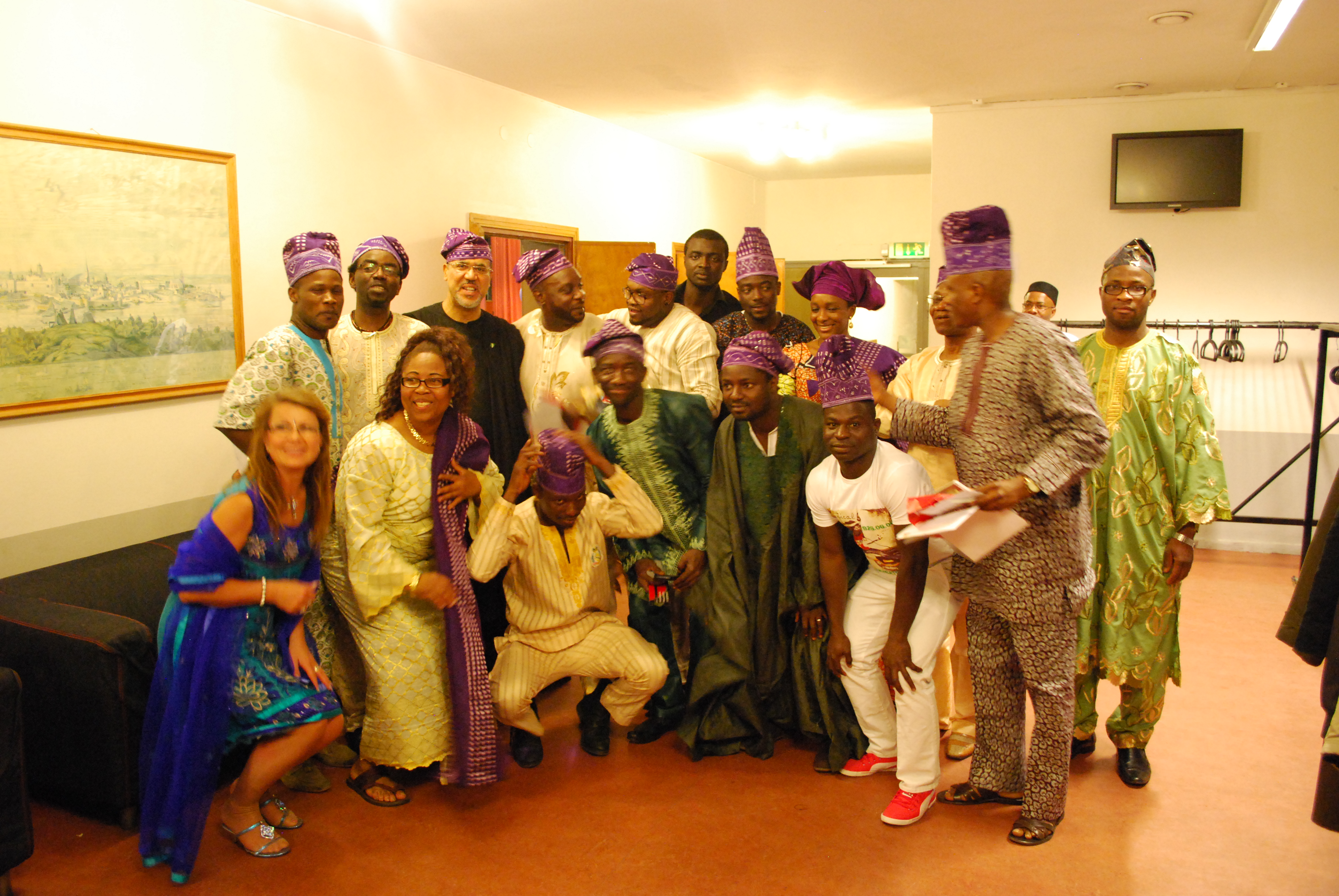
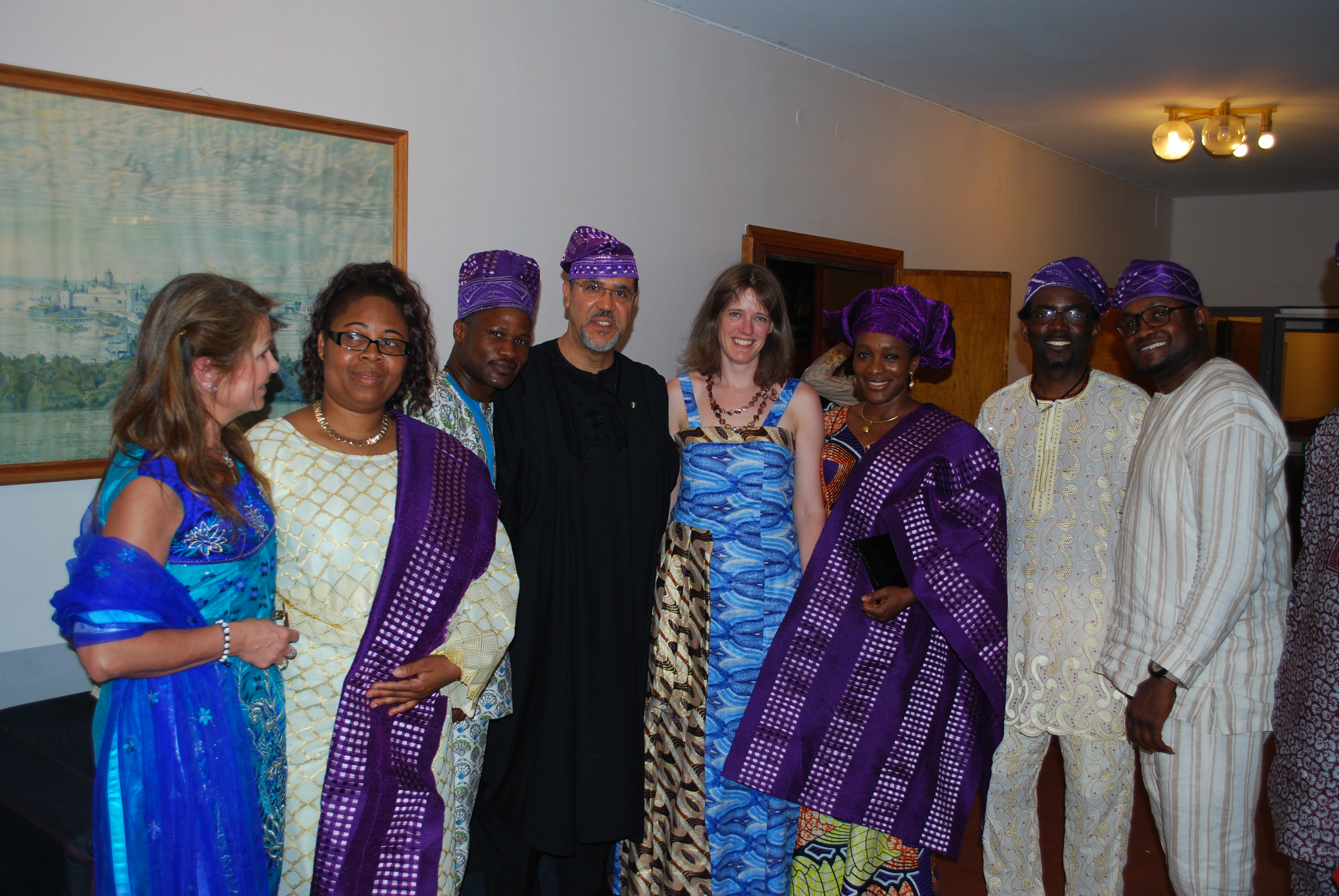
(Yoruba Union Members pose with Ambassador Amobi and his wife)

We knew that through these goals we will be able to achieve the following:

• create a community of Yoruba people living in Stockholm
• unite the Yorubas in Stockholm through this community
• create a sense of belonging for ourselves and our families in Sweden
• create an atmosphere for togetherness like the one we experienced, growing up in Nigeria and not the least,
• create a home away from home

DSC_0211

To make our plans come true we have been organizing different activities such as:

• Regular meetings to form a solid social contact among ourselves
• Organizing annual summer Yoruba Family Day in Stockholm. This year we will have the fourth edition of this tradition for our families and friends
• Organizing annual children’s day celebration for our children and friends of the Union.
• Inviting one another to our individual or family activities here in Sweden (marriage ceremonies, naming ceremonies, house warming, graduation ceremonies and so on)

DSC_0187
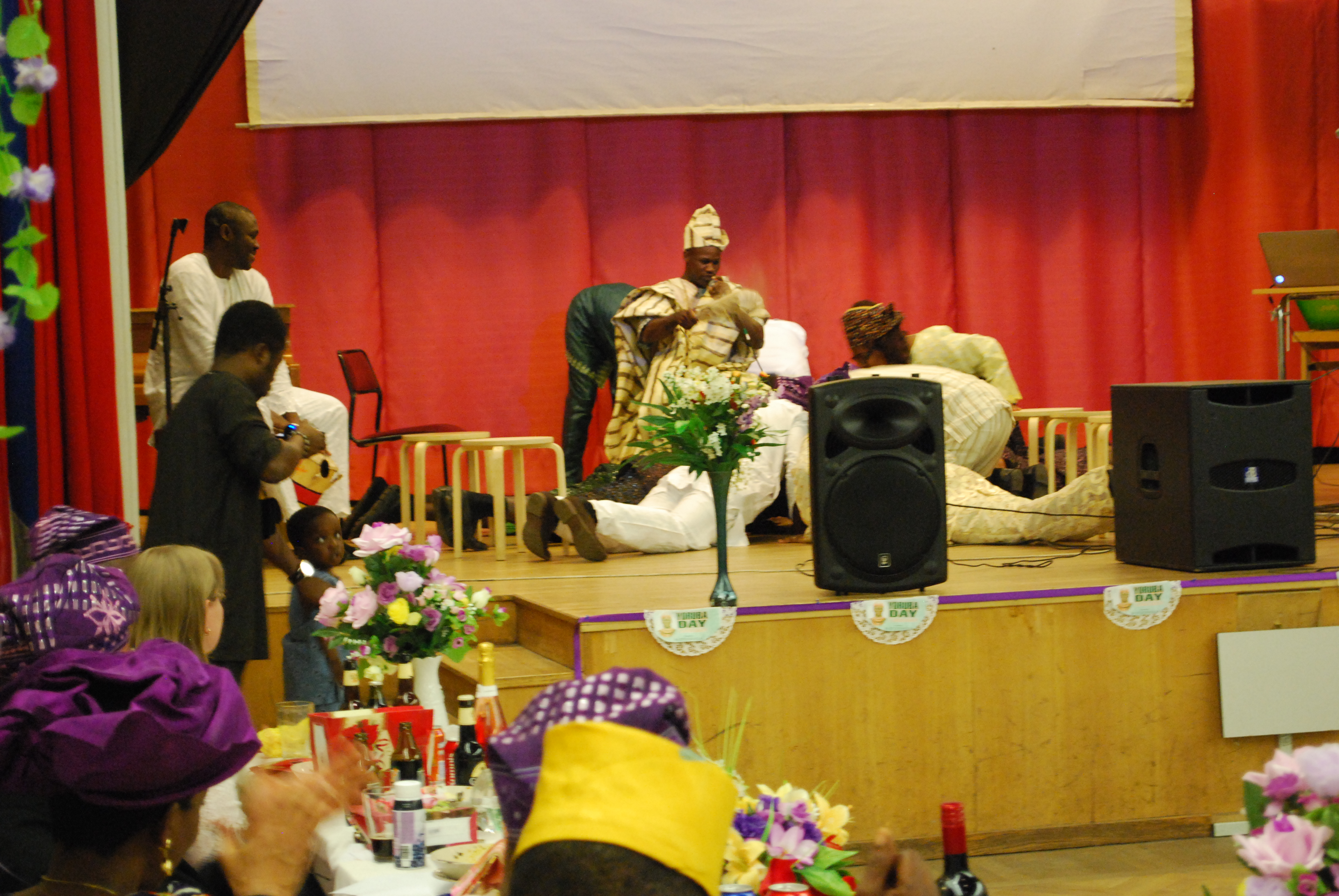
(Drama showing the Kabiyesi and his subjects)

Nowadays, in addition to our regular monthly meetings, we also have our mingling and chat sessions every Wednesday at a place called Medborgarplatsen. We drink Yoruba palm wine and relax after work 7pm to 9pm, just like we used to meet under the tree way back in Nigeria.

DSC_0155
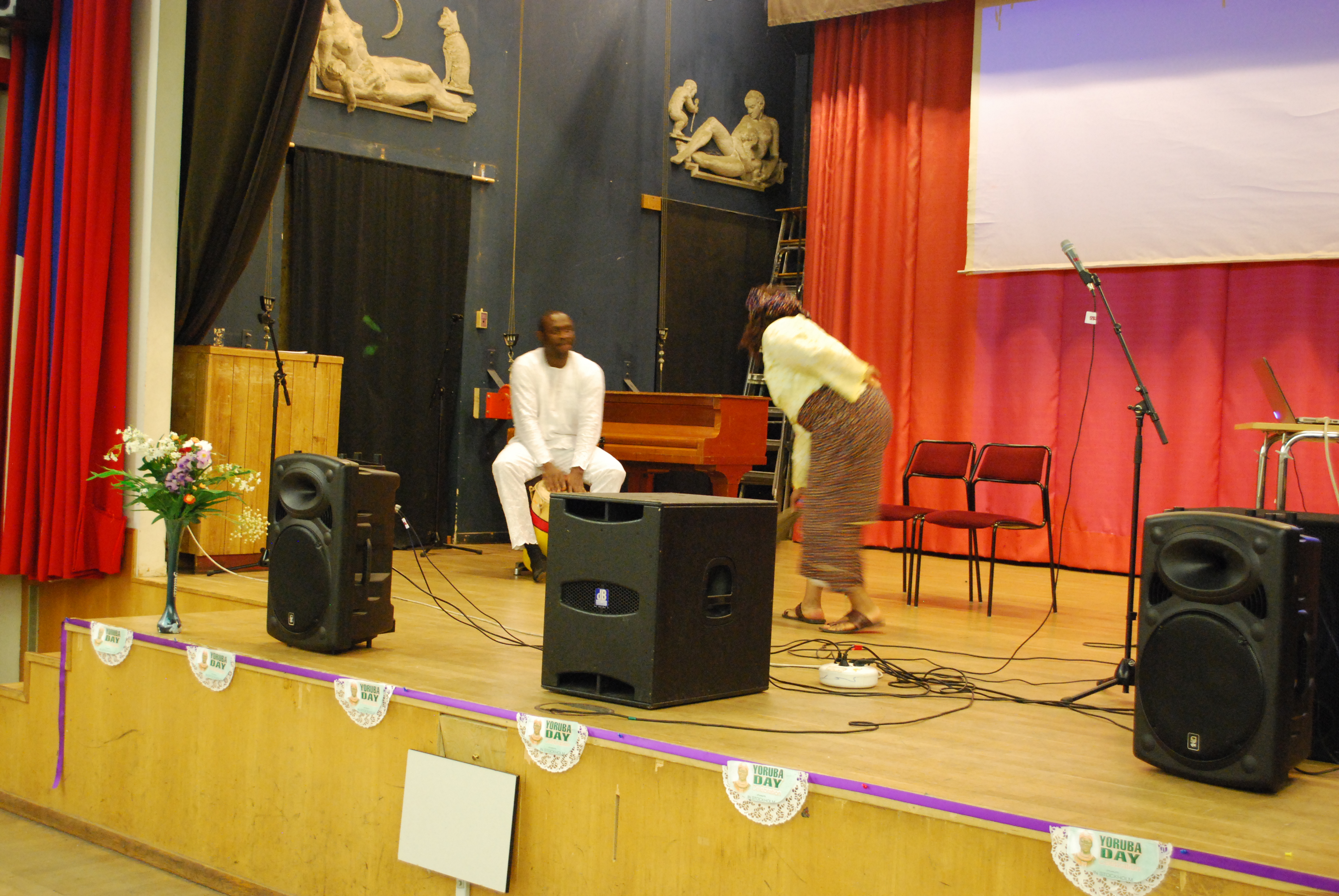
(Drama showing a Yoruba woman sweeping the house in the morning)

On the 11th of May 2013 our dreams in the Yoruba Union came true. We were able to organize the first ever Annual Yoruba Day Celebration in Stockholm. It took 3 years to get to this point but it was worth every minute we waited and invested into the process.

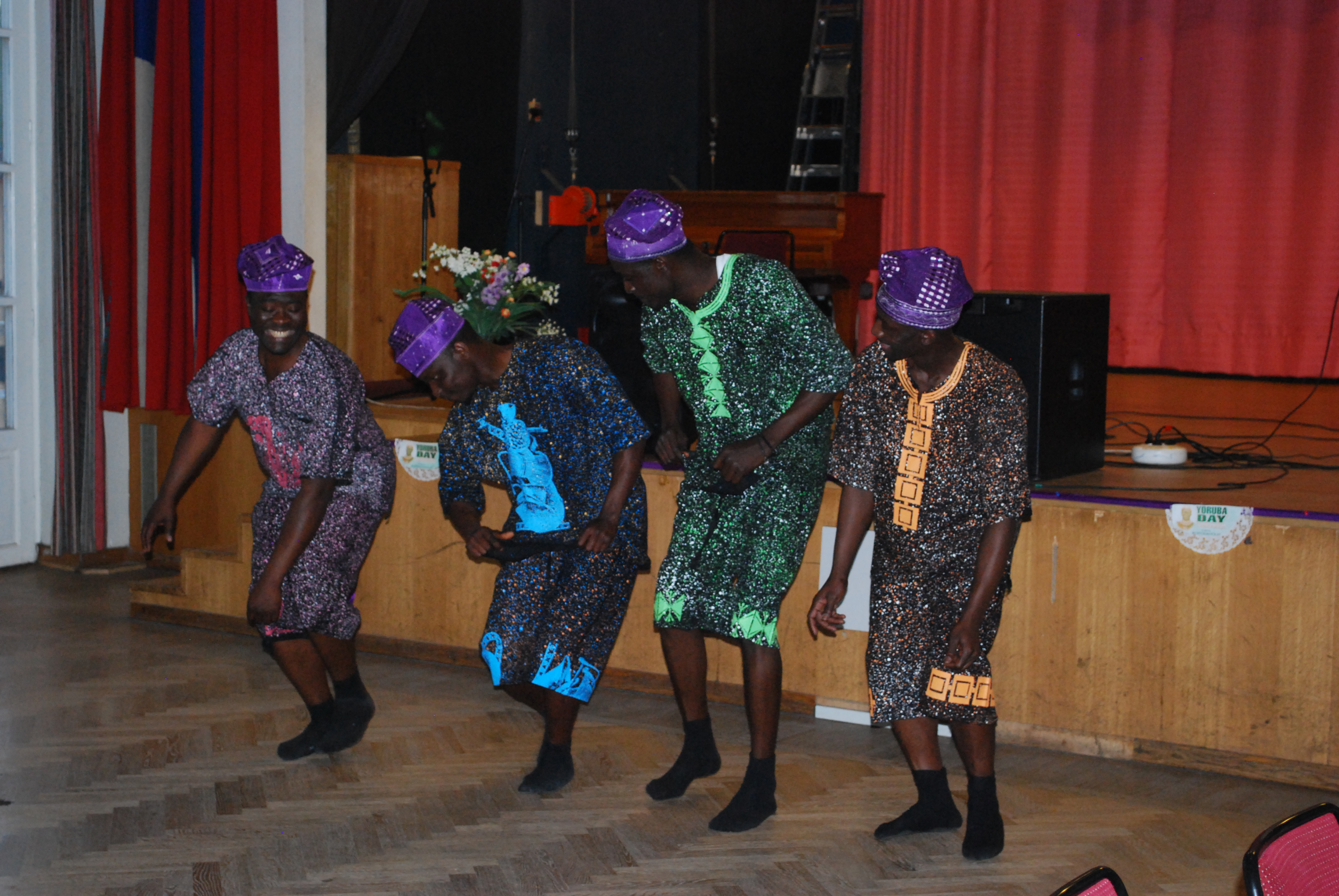
DSC_0114
(Yoruba Dancers)

Our special guest was the Nigerian Ambassador to Sweden, Norway, Denmark and Finland His Excellency Onochie Amobi. He was accompanied by his wife, Mrs. Amobi. We had other notable Nigerians at this inaugural event including Mr. Shola Mansur Amao, Engineer Olatunde Aluko, Mrs. Clara Kilete Rogo and Mr. Adetunji Ogunnoiki.

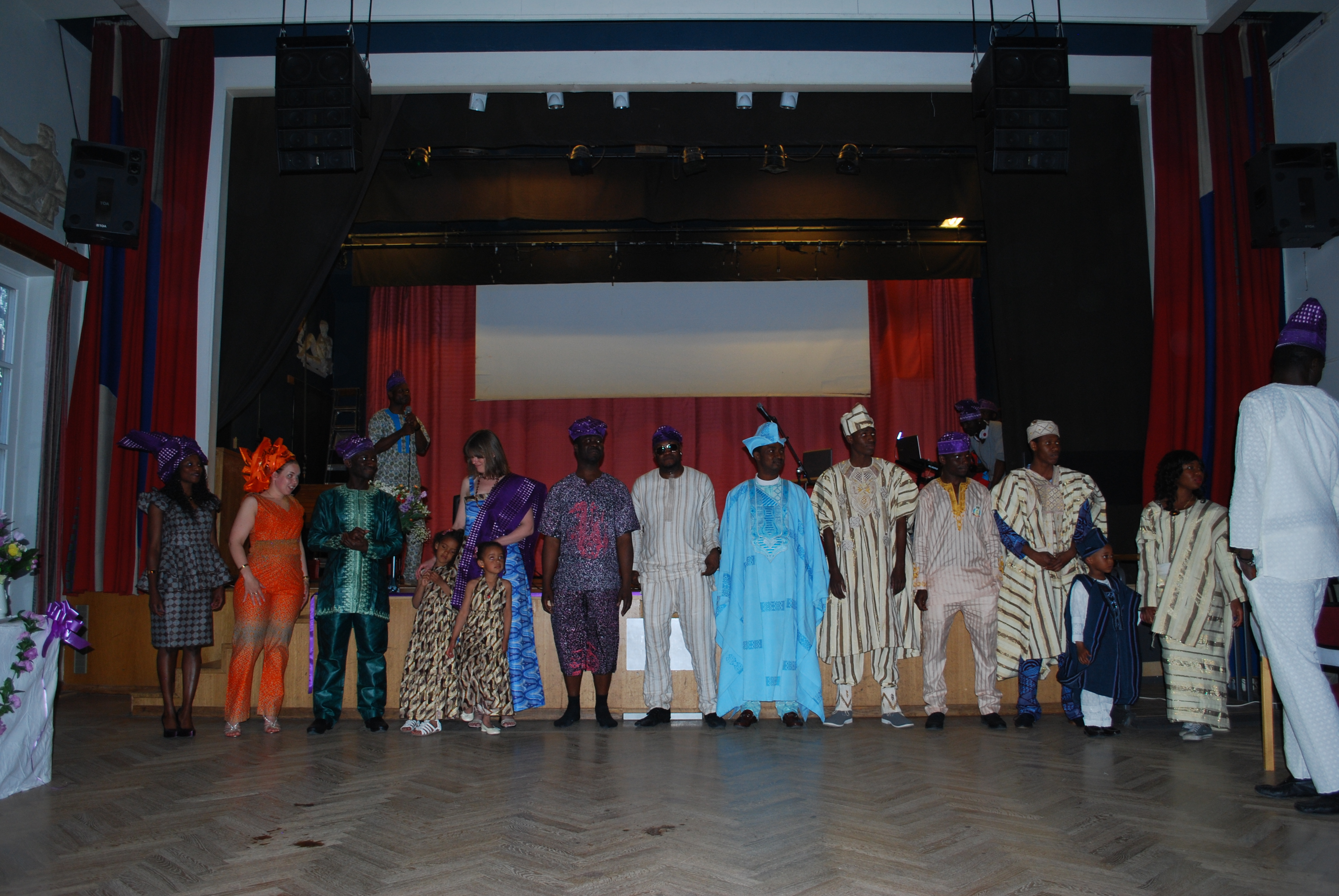
DSC_0105
(Yoruba Fashion Parade)

We also have the president of the Nigerian Union in Stockholm Mr. Dominic Emene in attendance. A representative of our partner organization-SENSUS Ms. Ingrid Bjurström was present to witness the special day.

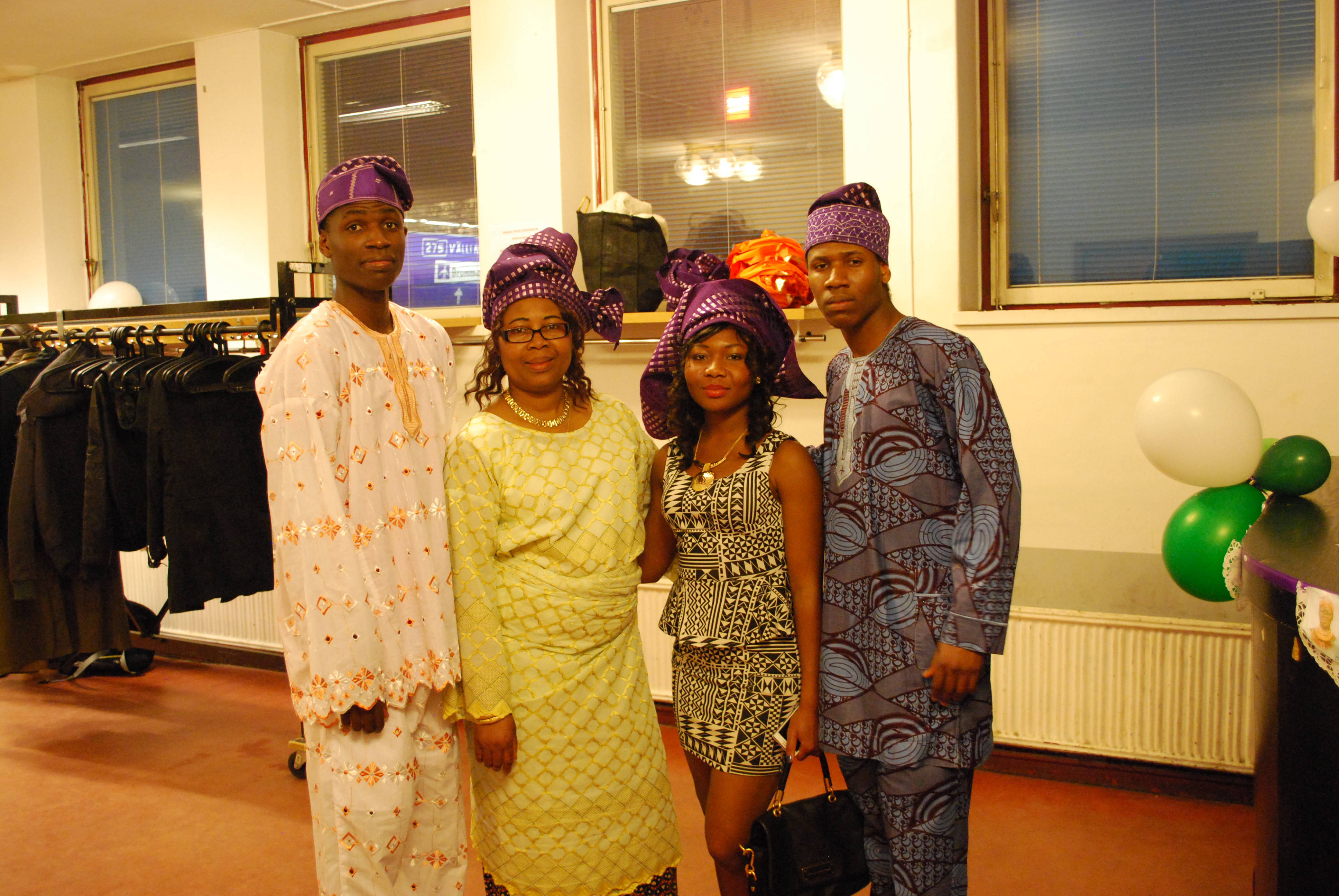
DSC_0268
(Yoruba People, A beautiful race)

To see what transpired on the day we celebrated the first ever Yoruba Day in Stockholm, Sweden, anyone can subscribe to our YouTube channel to see some of the events that took place on the YORUBA DAY (type Yoruba union Stockholm). We had cultural dances, drama sketches, the ambassador’s speech and Yoruba fashion parade among other interesting things that took place on that day.

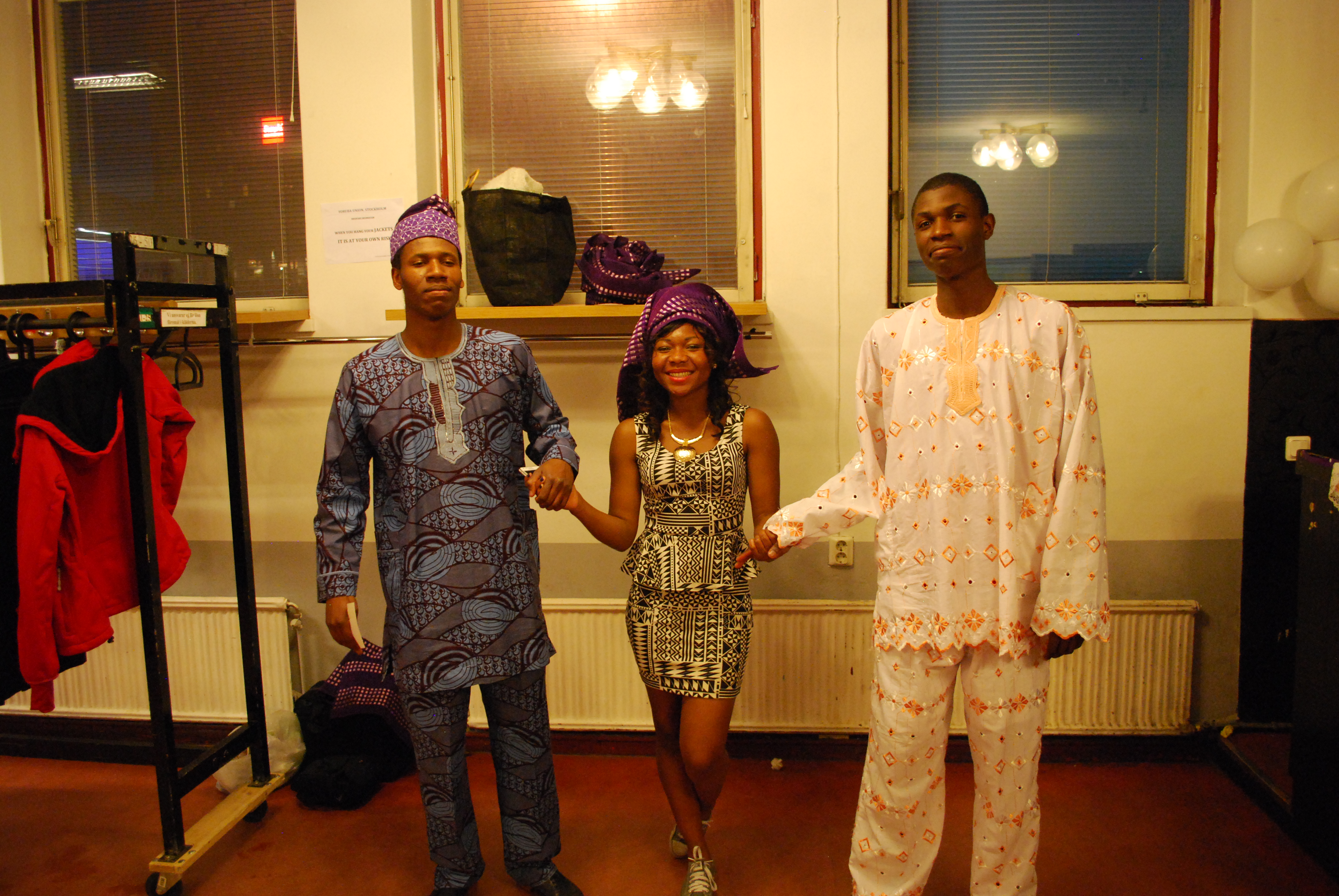
Yoruba People, Beautiful People
(This is lovely!)

The Yoruba Union in Stockholm has the following executive members, Lydia Akinwale-social secretary, Funmileyi Adenuga-treasurer, Abiola Kamoru Amos-Public Relations Officer, Ibrahim Onifade-secretary and Debo Fasheyi-Assistant PRO.

The union is made up of energetic young men and women who are intellectually rich and determined. In the group, positive energy radiates and different life experiences merge to create a dynamic forum that moves our common ideologies forward in the right direction.

DSC_0062
(The Nigerian Ambassador to Sweden, Denmark, Norway and Finland HE Onochie Amobi, giving a speech at the ceremony)

Dialogue remains a useful tool in the group where issues are openly discussed and agreements reach based on democratic principles.

The group is well known in Stockholm and we remain popular among our sister organizations in Goteborg and Malmö. We continue to encourage our Yoruba brothers and sisters in Stockholm and its environs to become a part of us. But we show deep respect for people’s rights of association.

In the Yoruba Union family every member is important and treated with respect. Executive and non-executive members understand the principles on which the association was founded. Therefore we enjoyed utilizing our various resources and talents to the benefit of the association.

The cultural group is headed by Olarewaju Omogunloye, an expert in Yoruba folksongs and dance. We also enjoyed the company of Samuel Ayorinde, ex-super Eagle player who has hosted a number of our meetings. One of our members Samuel Oladipupo Ayoola often travels with his family from outside Stockholm to attend our meetings and events.

The Yoruba Union in Stockholm has come to stay and we are looking ahead to consolidating on the gains of the awareness we created during our recent celebration of the Yoruba Day. We will continue to look for more ways to promote the Yoruba ideals, culture and heritage in Sweden and elsewhere on the Scandinavian islands.

Oodua a gbe wa o..!

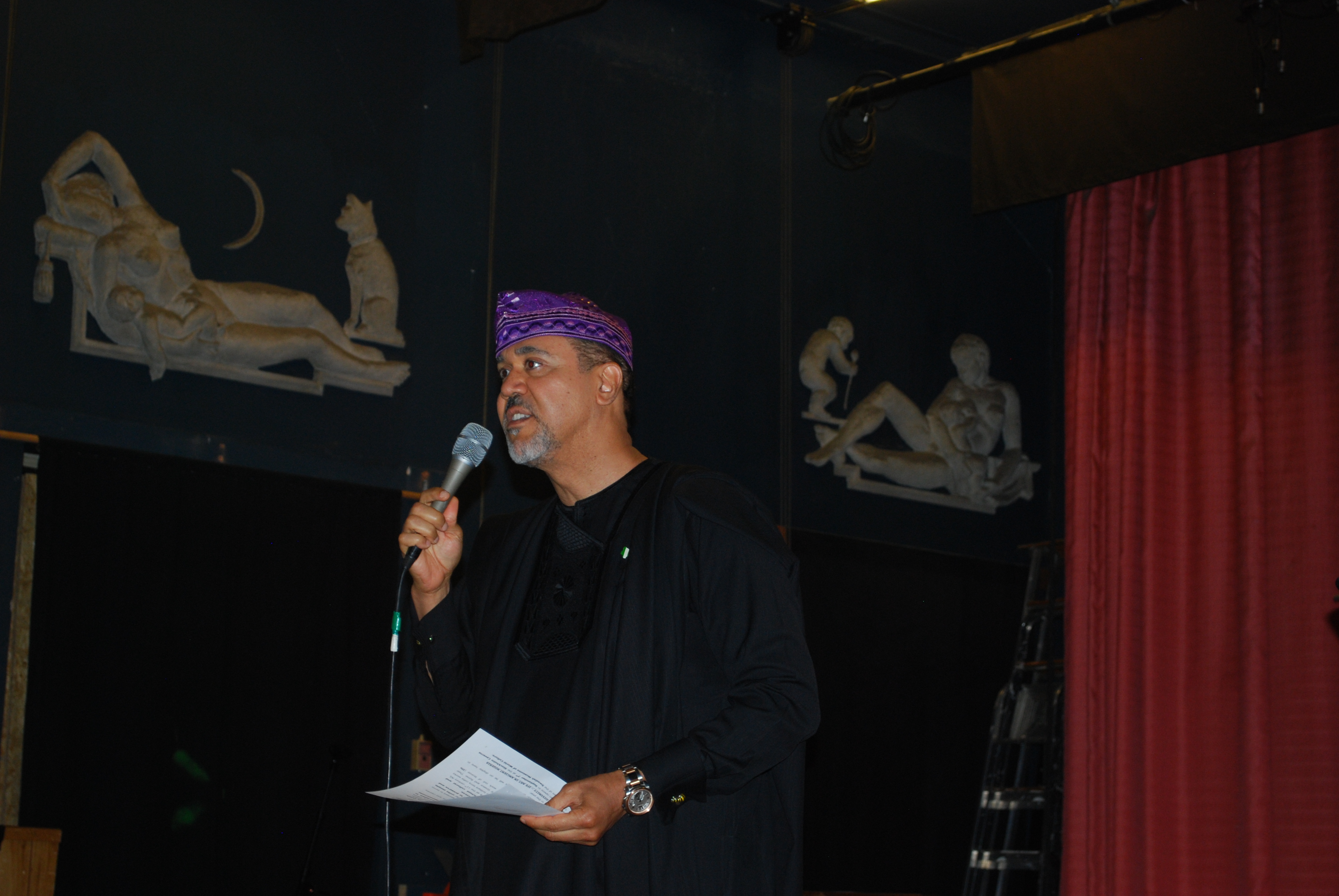
(An adaptation of the speech read by Adeola Aderounmu, president Yoruba Union, Stockholm, during the first ever Yoruba Day celebration in Stockholm on May 11, 2013)

http://www.yorubaunion.se
info@yorubaunion.se

Nigerian Embassy in Sweden Gets First Biometric (Passport) Machine

By Adeola Aderounmu

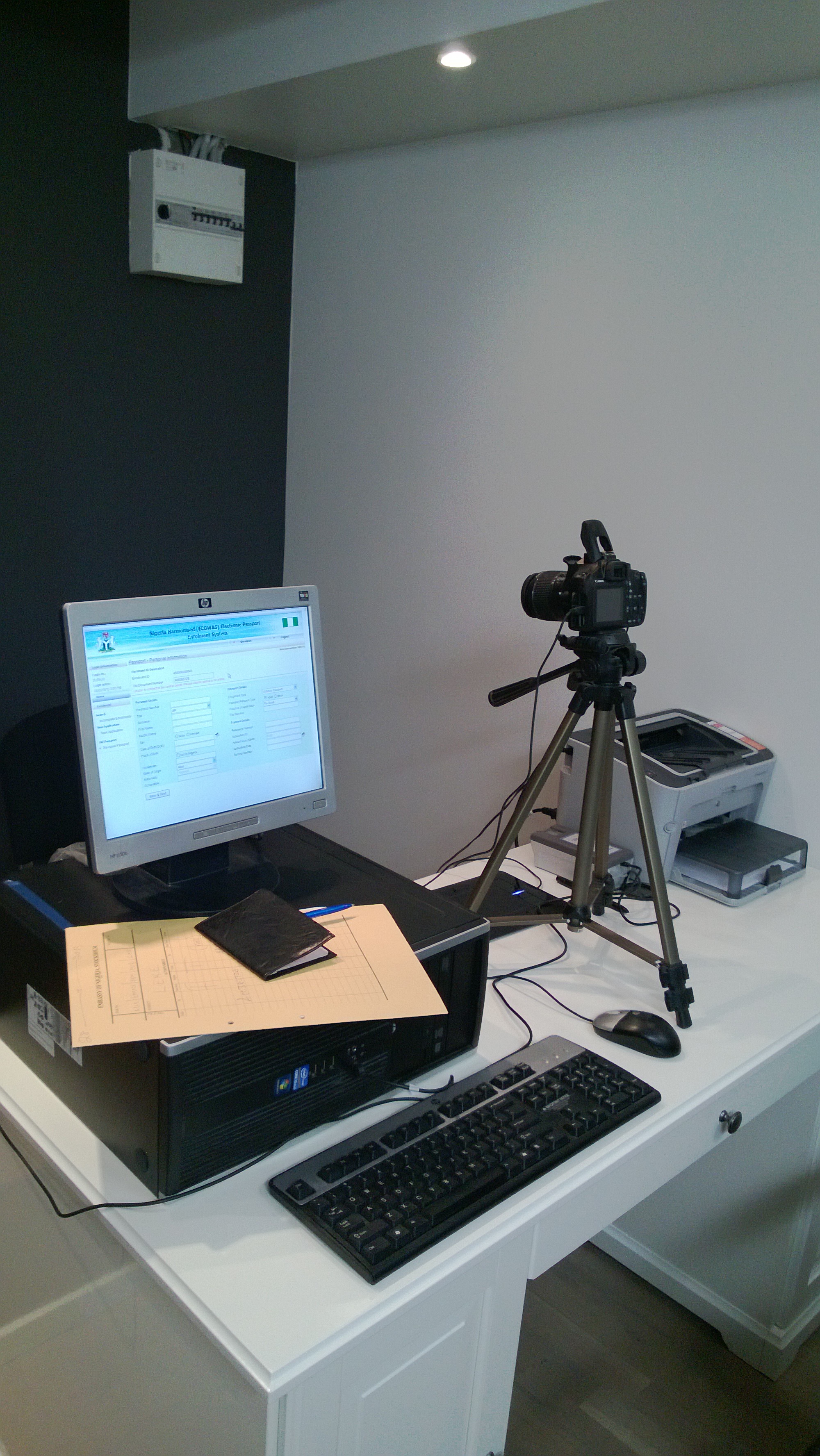
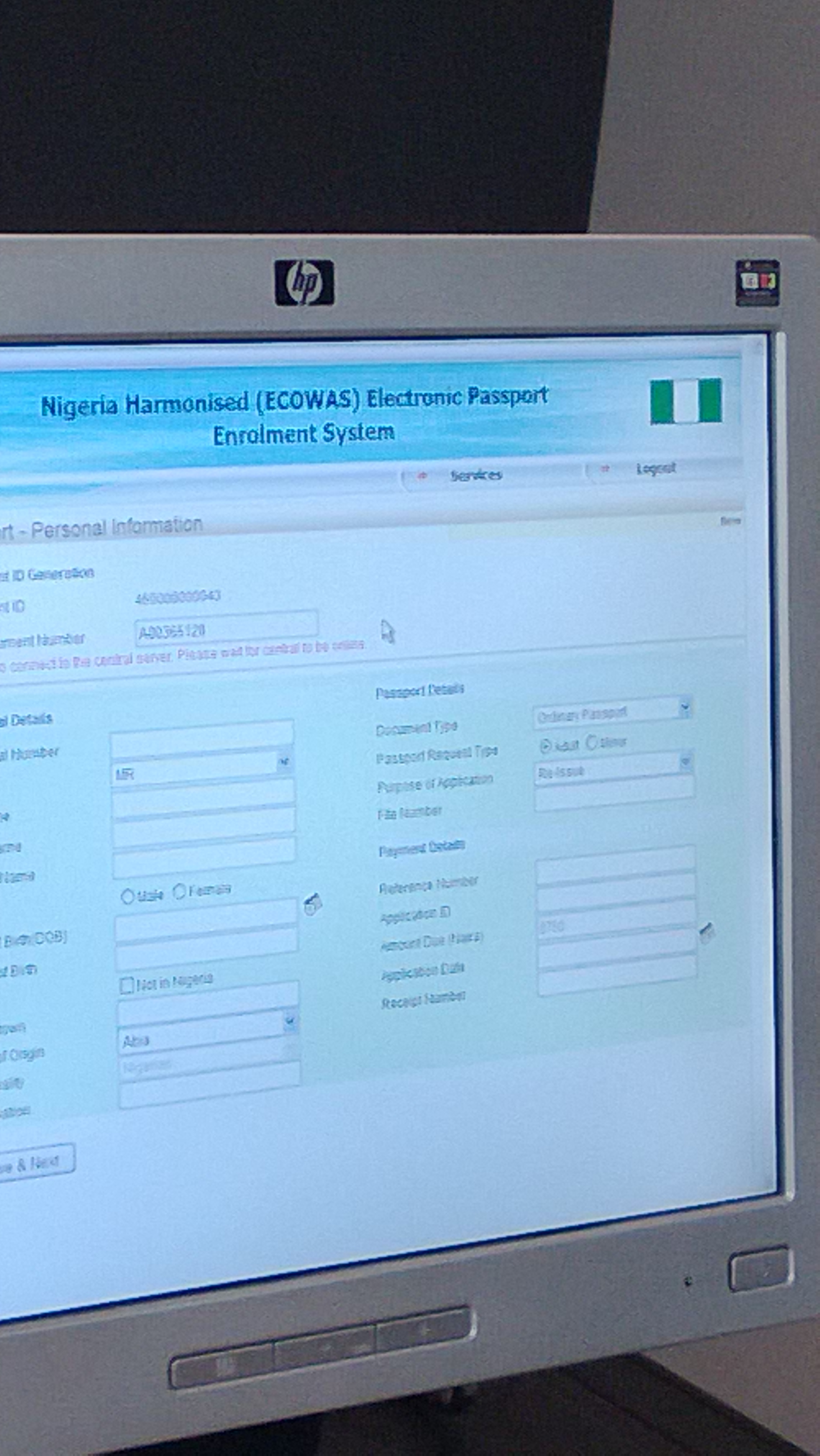
The Nigerian Embassy in Sweden has commissioned its first biometric machine. The machine will serve Nigerians living in the Nordic countries namely Sweden, Finland, Norway and Denmark.

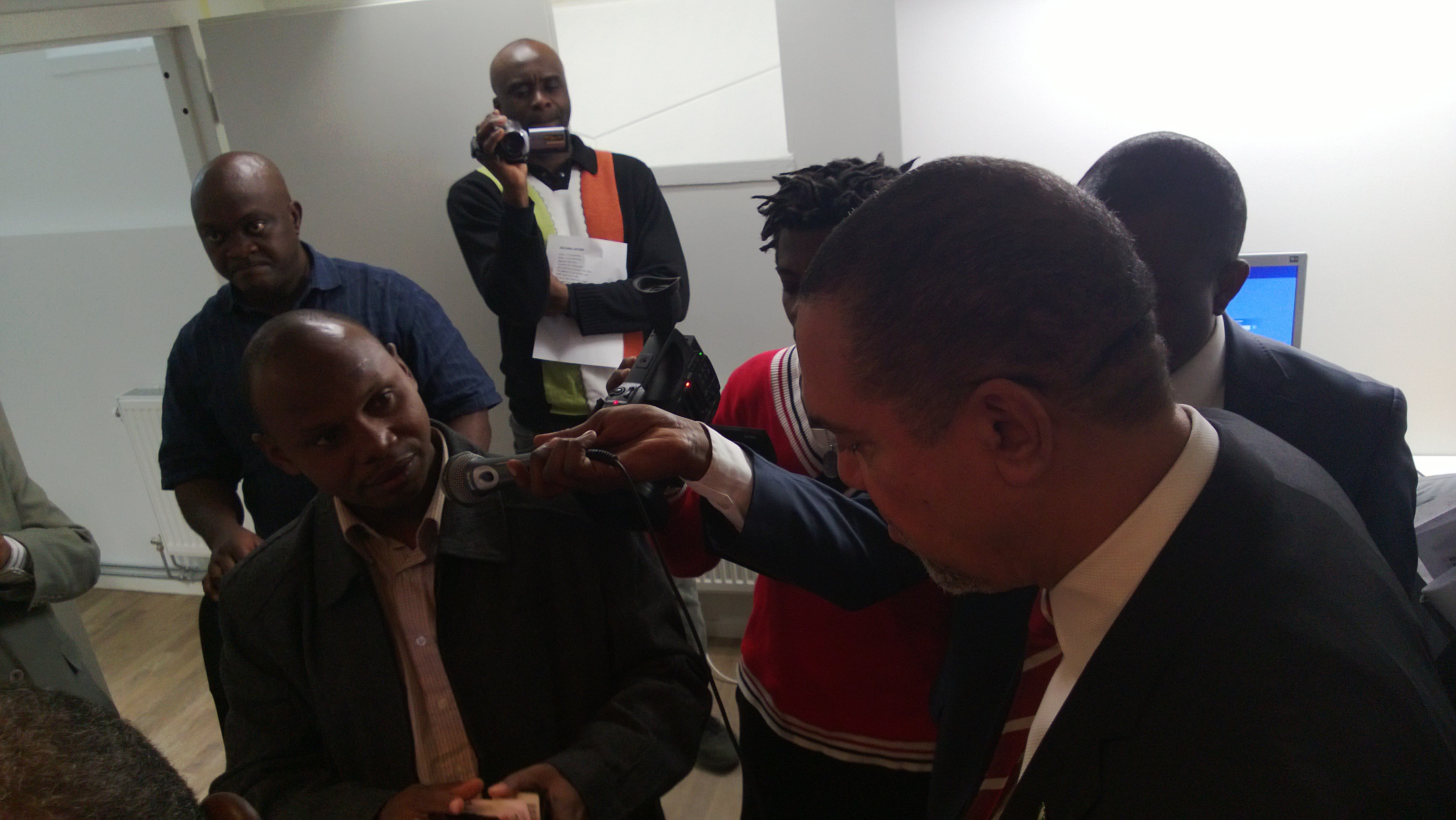
A passport officer at the embassy showing Amb Amobi how the machine works

A passport officer at the embassy showing Amb Amobi how the machine works

The Assistant Comptroller General of Immigration Rilwan Bala Musa was on hand on the 28th of March 2013 for the commissioning ceremony held at the Nigerian Embassy in Stockholm.

With this development Nigerians in the Nordic countries will now be able to process and procure their Nigerian passport with ease after fulfilling the passport issuance or renewal requirements.

Biometric Machine at the Nigerian Embassy in Stockholm

Biometric Machine at the Nigerian Embassy in Stockholm

In a previous post:

http://nigeriavillagesquare.com/adeola-aderounmu/the-disgraceful-misadventures-of-the-nigerian-immigration-service.html

l had complain bitterly about the harrowing experiences of Nigerians in the Nordic region in procuring or renewing their passports.

passport office 2

The Nigerian Embassy in Sweden was opened in 1967. So, after 46 years of its existence the embassy in Stockholm finally made a landmark achievement that will alleviate the plights of Nigerians in the Nordica countries.

Assistant Comptroller General of Immigration Riliwan Giwa speaking with the Ambassador and other people present at the commissioning ceremony in Stockholm

Assistant Comptroller General of Immigration Riliwan Giwa speaking with the Ambassador and other people present at the commissioning ceremony in Stockholm

The present Nigerian Ambassador to Sweden, Norway, Denmark and Finland Mr. Benedict Onochie Amobi made it the number-one target of his administration to ensure that the biometric machines are installed and functional. By working closely together with the Nigeria Immigration Office in Nigeria the promise he made when he assumed office in 2012 has now been fulfilled.

aderounmu@gmail.com