Criminals and Looters in Government Are Not Distracted

By Adeola Aderounmu

It is the people of Nigeria who have turned all their attentions away from what brought them to the present predicament that threatens the totality of their existence. The thieves in government have kept their focus intact.

In almost every part of the world one of the most talked about phenomena these days is undoubtedly the “bring back our girls” campaign. It is this sort of scenario that some opportunists (individuals and groups) have waited for to bring them back to public space and to win sentiments borne plainly out of hypocrisy and eye/lip services. Some are simply capitalising on the situation to give their own agenda a lift.

Meanwhile as the government of Nigeria was perambulating and talking rubbish everyday and buying the time it doesn’t have, the business of stealing and cover-ups in government are going on as usual. It is possible because stealing according to Mr. Jonathan is not corruption and because the people are suffering from the Nigerian syndrome. I have defined the Nigerian syndrome in a previous essay.

One thoughtless fellow called Maku spoke on behalf of the government and said that it is the main opposition party that is organising the “bring back our girls” campaigns. I didn’t know that all the people bouncing on the trampoline of the campaign around the world including notable celebrities in Hollywood now belong to the Nigerian APC. The APC of Nigeria must be the biggest political party in the world.

The people of Nigeria are easily distracted. This is a recurring dilemma for them. They cannot keep up with the loads of distractions provided by the failed and selfish governments since 1960. They don’t asked questions once you load them with deceits. When they asked questions, they move onto the next thing without seeking answers to their questions. Stupid answers are often satisfactory. These are parts of the reasons why nobody has found the courage to call Babangida a thief and initiate his prosecution for all the missing oil money during the gulf war.

Invariably, from one failed government to another the stories are similar. Oil money is always missing. If it is not at the NNPC, it will be among the execu-thieves. This oil money is so slippery it can also get missing at the state and local levels. As a tradition, oil money is always missing in Nigeria.

Now Nigerians have forgotten about the unanswered allegations of several billions of dollars that the Jonathan government also cannot account for. This confused government set up a committee to look into the matter. That in itself is a partial admittance that something is missing anyway. Then in the middle of the entire wahala Mr. Jonathan went on air during his chat to tell the world that “America will know” if billions of dollars is missing.
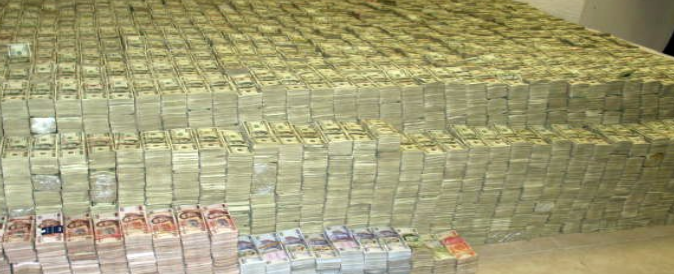
Ibori_loot-

Why did Jonathan set up a committee to ascertain the allegations made by the central bank? Mr. Jonathan should just have asked “America” since “America will know”. Anyway the senate committee has now dismissed the allegation and concluded that “no money is missing”. This is despite the fact that there is absence of proper coordination between Nigeria’s financial bodies concerned with the sale of crude oil. We can now turn off the sound of Fela’s music-Oil money is (not) missing.

In any case the Nigeria house of representa-thieves and legis-looters are not unfamiliar with the way the corrupt government of Nigeria operates. Nigerians have myopic memories and are long-suffering. Nigerians are the most distracted group of citizens in the world. They suffer from their own syndrome-the Nigerian syndrome.

Many arguments, verbal or written efforts to make Nigerians reason are lost on many grounds not least on the tribal cards. Don’t argue with an average Nigerian on the tenets of good governance. The Nigerian syndrome is yet incurable. Yea right, the problem of looting did not start with Jonathan…why should we complain now? Why did you leave out Obasanjo? What of Shagari? The reasons not to start and finish the war on bad governance have been integrated into the cycle of idiocy in downtown Bongo.

The ethnic card will even be used to justify the crimes committed by one governor Akpabio. This man has ruled for 7 years in Akwa Ibom and as he prepares to leave the seat of government, he ensured that his financial future is secured. In Nigeria, criminals continue to parade the government houses in different forms and shade.
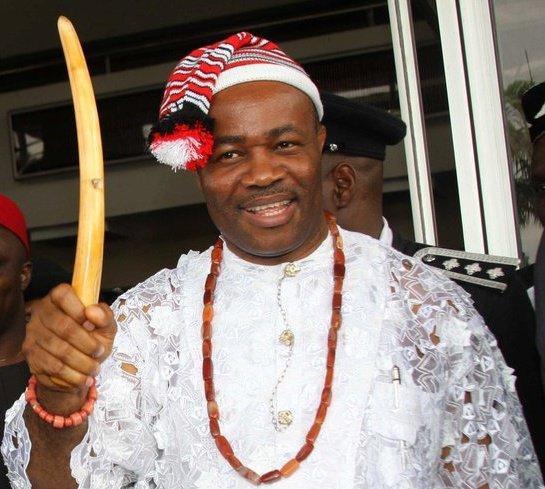
The selfish and self-serving Governor of Akwa Ibom, Mr. Akpabio (This man has no record of mental or physical disability to support his pension. But he will get:N200 million per annum, basic, N100 million, medical allowance, 5-bedroom maisonette, Accommodation allowance of 500 per cent of annual basic salary, Medical allowance not exceeding N12 million per annum for one surviving spouse)

The selfish and self-serving Governor of Akwa Ibom, Mr. Akpabio (This man has no record of mental or physical disability to support his pension. But he will get:N200 million per annum, basic, N100 million, medical allowance, 5-bedroom maisonette, Accommodation allowance of 500 per cent of annual basic salary, Medical allowance not exceeding N12 million per annum for one surviving spouse)

There is definitely going to be an argument that he was a good governor or that he could have looted the money anyway like Babangida and others. In Nigeria a critic may never win any argument. The Nigerian syndrome is vast.

In Uyo and across all of Akwa-Ibom, I’m looking forward to the following campaigns, #akpabiobringbackourmoney

#no-pensionforakpabio

#socialjusticeforall

#socialsecurityforakwaibomites.

Nigeria remains in a big mess today for several reasons that some of us are not tired to write about every week. It is very important that the collective intellectual consciousness of the people do not give in. It must not dwindle. It must tarry and persist. For in relenting, evil will continue to rise and subdue good totally.

Nigerians must know that there will be no messiah in Abuja, not now, not in 2015. The system of government is so ill-structured that Abuja would not be a major factor for the eventual freedom and stability of Nigeria. Hence it is very important that we don’t forget to tune up the ways that may end the senselessness in government whilst we point out the persistent evil and crimes in the land,

Nigerians must ensure that the non-corrupt intellectual class rises up to do the needed. In several states in Nigeria, former criminals, former thugs and former riff-raff hold sway in governance. Government has been used to reward insolence and barbarism. In government it has remain impossible to be above board. All who come into it exit it as criminals or with criminal tendencies. It’s worse for those who came in as criminals. Regardless they all ruined Nigeria!
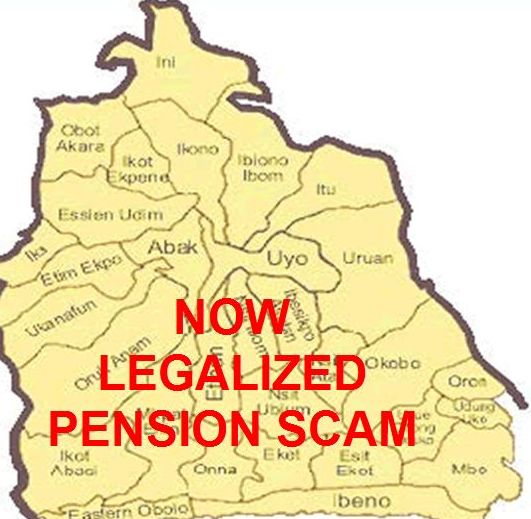
akwa ibom

In every region, in every community, in very part of Nigeria, there is a need to change the mentalities of the people. I am aware of the agitation of the people from Western Nigeria. They are seeking self-determination or autonomy. But they must know that some people amongst them were part of the problems with Nigeria. They have been part of this nonsense going on in Nigeria since the fake independence in 1960. Therein lies a huge danger ahead should Western Nigeria emerge today.

The autonomy of Western Nigeria should not be sought as a license for the elongation of criminalities in the Oduduwa region. Before dawn, the Yorubas should have a full functional road map and blue print that will ensure that their self-governance does not lead to self-destruction.

In the end all the geo-political regions of Nigeria should be allowed to determine their own future. The benefit or probability of marching on Abuja/Aso rock by criminals and terrorists should be zeroed.

I strongly hold the personal view that irrespective of the aims of the Northern terrorists, and irrespective of the primary goals of their sponsors, the dismantling of the useless unitary government will promote the emergence of regional autonomy and make a complete mess of their ambitions. Who will march to Abuja or throw bombs in Abuja if there is no government there to be overthrown or if the power in Abuja is ceremonial?

I reiterate that no group of people would allow its own race to self-destruct or to be persecuted unjustly when the conditions for social justice and fair play are the rules and not the exceptions. A word is enough for the wise goes the Yoruba adage. When received, it becomes whole within.

Talking about social justice, what is good for the goose is good for the gander. I hope that Mr. Akpabio has made plans to ensure that all the unemployed people of Akwa Ibom will enjoy some benefits. If the people of Akwa Ibom have no social security in place, they have the right to sack all the dummies who rubber-stamped Akpabio’s looting largess.

If the people of Akwa-Ibom remain quiet and passive, they are drowned in the Nigerian syndrome. They are probably distracted as the looting continues. They are not alone, Nigerians are all guilty of the lack of will to sack corrupt governments and make them face proper justice. They are guilty of being at home with a system that is not working. It beats my imaginations!

—————————————————————–

(After publishing this story, there are now more information that some ex-governors in Nigeria started this criminal activity of milking the states they ruled over, so Mr. Akpabio is not the only governor with criminal tendencies. There are many of them in Nigeria)
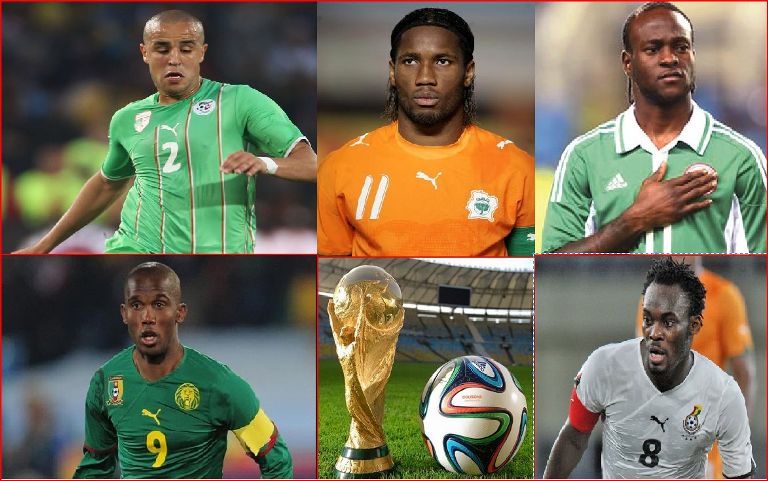
NIGERIA’S FINAL 23 FOR BRAZIL 2014

List By Stephen Keshi

NIGERIA’S FINAL 23 FOR BRAZIL 2014

GOALKEEPERS: Vincent Enyeama, Austin Ejide, Chigozie Agbim

DEFENDERS: Joseph Yobo, Elderson Echiejile, Juwon Oshaniwa, Godfrey Oboabona, Azubuike Egwuekwe, Kenneth Omeruo, Efe Ambrose, Kunle Odunlami

MIDFIELDERS: John Mikel Obi, Ogenyi Onazi, Ramon Azeez, Michael Uchebo, Reuben Gabriel

FORWARDS: Osaze Odemwingie, Ahmed Musa, Shola Ameobi, Emmanuel Emenike, Babatunde Michael, Victor Moses, Uche Nwofor

Brazil 2014: This Time For Africa?

By Adeola Aderounmu

World Cup Africa

Nigeria, Ivory Coast, Algeria, Cameroon and Ghana will fly Africa’s flags at the world cup which starts on the 12th of June in Brazil.

Egypt went to the world cup in Italy in 1934. That was the first time an African country featured at the championship which started in 1930 in Uruguay. Since then 13 countries in total from Africa have participated at various editions of the mundial. The other 12 countries are Morocco, Zaire, Tunisia, Algeria, Cameroon, Nigeria, South Africa, Senegal, Angola, Ivory Coast, Ghana and Togo.

When Africa’s representatives at the world cup for 2014 arrive in Brazil this summer they will be chasing an unfulfilled dream-that an African country is ripe enough to win the world cup.

To make this dream come true, Cameroon will have to cross the hurdles in Group A where they will do battle with the host Brazil, Croatia and Mexico.

Cameroonians are playing in their 7th world cup. This is an African record. But what has Cameroon got to show for previous appearances? The best exploits came in Italy in 1990 as the career of Roger Milla was winding up. Cameroon was beaten in the quarter finals by England. After Italian 90, Cameroon quickly transformed and became “not indomitable”. For an African country to win the world cup, consistency must be shown.

Ivory Coast is a country also in need of consistency and even more, delivery. This country must emerge from Group C that include Colombia, Greece and Japan.

The men representing Ivory Coast and led by Didier Drogba are the popular golden generation that has won nothing to show for the name tag-“golden”.

This is the third straight world cup for the so called golden generation. They failed to emerge from the groups in 2006 and 2010. Any country that wants to win the world cup must be able to emerge first from the group. It will not matter if the group is mildly classified or if it is termed the group of death.

One country that shaped the organisation of FIFA’s world cup after the 1982 edition was Algeria. In 1982 Germany and Austria “sold” their last game “to each other” so that Algeria could be eliminated. You need to find and read that story if you love the history and football. In 1982, the Germans and the Austrians brought huge shame to football.

Football scandals or match fixers are not restricted to Asia or any particular geographical part of the world. Rather it is something that has been a part of football at every level and in almost every country for as long as the game has been in existence. The roles of FIFA officials in recent reports seriously brought the game into disrepute, again. Yet, this is a game people love no matter the problems related to scandal or “arranged outcomes”.

After the 1982 games, FIFA decided that the last games in each group will be played simultaneously. Algeria will try to emerge this time from a group including Belgium, Russia and South Korea. If they find the form again like they did in 1982, they have a chance of making Africa’s dream come true.

To put Africa’s name on the map as a world cup winning continent can also become a dream come true through the hands of the Ghanaians. Ghana is also making a third straight appearance.

In 2010 on the African continent Ghana reached the quarter final stage where they fell to Uruguay. That match will not be forgotten easily in the stories of FIFA senior world cup.

Luis Suarez had to become a “goalkeeper” at some stage to save the ball from going into the net. It was a sad day for Africa as Ghana failed to convert the extra time spot kick that would have sent them to the semi-final stage. Our dear brothers lost on penalties.

This year in Brazil, Ghana must scale Germany (the match-fixers of 1982), Portugal and the United States in order to prove that African countries can show consistency and make serious claims to world cup glory at the senior level.

African champions Nigeria will also be making another attempt to show the world that an African country is indeed prepared to win the world cup. Nigeria must emerge first from a group that includes familiar foe-Argentina, Bosnia-Hercegovina and Iran.

This is the second time Nigeria is going to the world cup on the back of a Nation’s Cup victory. The first time was in 1994 when Keshi was the captain of the team and Clemence Westerhof, the coach.

In 1994, inexperience was the bane of the Super Eagles as they were bundled out in the second round by the Italians. In 1998, Nigeria was again bundled out in the second round by Denmark.

In 2002, Nigeria had a disgraceful participation in Korea/Japan. In 2006, Nigeria was missing at the German edition. Back in South Africa in 2010, Nigeria failed again to emerge from the groups.

Through the years, bad planning, maladministration and useless preparations have ensured that Nigeria just added to the numbers of the countries going to the world cup.

To date, especially since the Algerian exploits of 1982 and the Cameroonian efforts of 1990, the performances of African countries since 1934 (though sporadically filled with some other brilliant moments) have not matched the expectations of the people of Africa.

Brazilian legend Pele predicted that an African country will win the world cup at the turn of the last century. It did not happen. Even at the time that the profiles of African players rose both on the continent and abroad, it has been impossible for Africa to deliver on high promises.

In South Africa when Ghana crumbled, Africa returned to square one of the struggle to win the world cup.

The organisation of football on the African continent needs a range of face-lifting processes. In North Africa, it appears that the organisation has always been solid. There were a lot of set backs in some North African countries as a result of the Arab spring. But some countries (like Algeria) are reported to be making big strides even attracting players from France to the Algerian league. One hopes that Egypt will rise again.
If Algeria makes progress in Brazil or if her football becomes a reference point irrespective of how they end this tournament, fingers will point at the growth or promises shown at the domestic league.

Among the other African countries representing Africa at the forth coming mundial, Nigeria will be of concern to Nigerians, definitely. Since the first appearance of the country at the world stage in 1994, it has been a permanent impossibility to uplift the game on Nigerian soils.

Nigeria as country or Nigeria comprising of several regions has a population that could turn anything profitable into a goldmine. Sadly like many other things that Nigerians have failed at, including governance itself, football in Nigeria has not been revived since its collapse I would say in the mid 1980s. I may be wrong with the actual date but I remembered how it was fun to watch Leventis United, and Abiola Babes when I was in early secondary school.

Today the English Premier League, the European Champions league and other foreign leagues are very famous in Nigeria with huge followership. The gains that Nigeria should be making in marketing of her own football is totally diminished or drowned.

This essay is not about recounting the problems with Nigerian football or Nigeria as a failed country. It is not about Nigeria as a dead giant of Africa. If one does not draw the lines, the discussion will move from football to every aspect of Nigerian life. It’s very hard to separate the lost glories of Nigeria in almost every aspect of human endeavours.

For one month between June and July 2014, Nigerians will expect the boys that will be selected by coach Keshi to deliver. Many of these boys are plying their trades abroad. Invariably they have been polished by other systems. The exposure is brilliant but when the days and years are running out, many of these boys cannot return home to wrap up their careers like the Brazilians or the Argentines do.

They do not have to finish their careers on the Nigerian soil but the argument is that the level of football in Nigeria in terms of planning, organisation, administration, execution and overall sustenance is not yet in the right hands. Nigerians know these things but for them everything is politics.

As long as there are functional leagues abroad (even in neighbouring African countries like Benin and Togo) where Nigeria’s talents can be nurtured or even de-processed by making them change their roles on the pitch, it is fine with those in the glass house and their pickers in Abuja.
The biggest indicator of the gigantic problems facing Nigeria’s football is the failure of Nigeria since 1985 to transform the glory of the young players (Eaglets especially) into something that the world can emulate at the Super Eagles level.

For an African country to win the world cup will not depend of luck or unexpected favours from some quarters. It will depend a lot on management of the game on the continent. That’s where CAF comes in. This body needs revamping and dynamism. It needs a new life.

The progress of African football will also depend on national organisations like NFF of Nigeria. What are they doing to promote the game in all spheres (on the pitch and off it)? Are there serious plans to encourage more youth, more women and anybody interested in the game to pursue their careers knowing that they have a foundation to rely upon?

Africans must also overcome the mental incapacitation that FIFA rankings can infuse on the mind. The best place to play football is on the pitch. Moments like this-in Brazil provide the opportunity to send the FIFA ratings to the dustbin. Football is dynamic and it moves from one game plan to the next.

The future of African football, its organisation and management on the African soil will play significant roles and the world will see these upliftments when an African country eventually wins the world cup. It’s been a long wait but it must happen in the future. July 2014 is part of the future.

aderounmu@gmail.com

Yoruba Union in Stockholm Celebrates 2nd Annual Yoruba Day (Photo Essay)

By Adeola Aderounmu

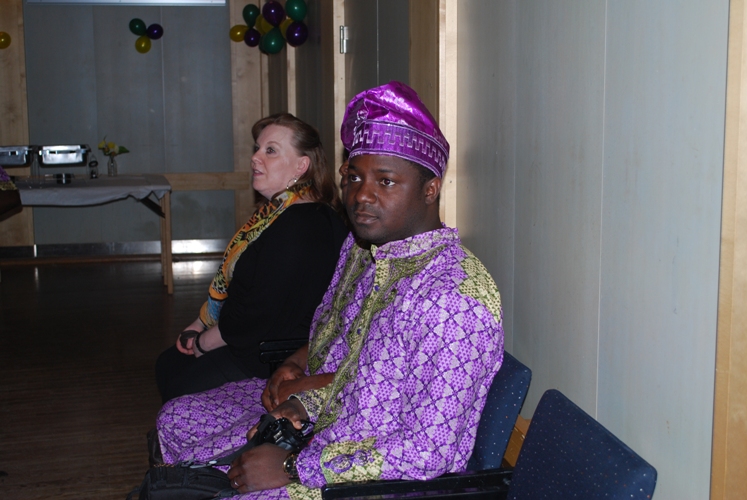
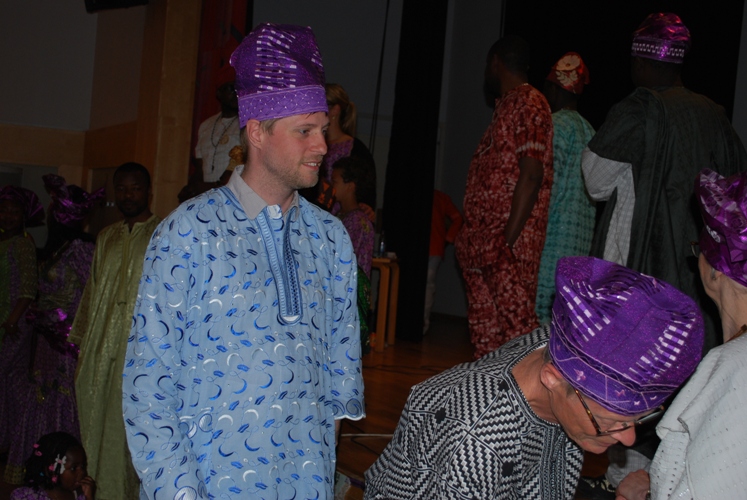
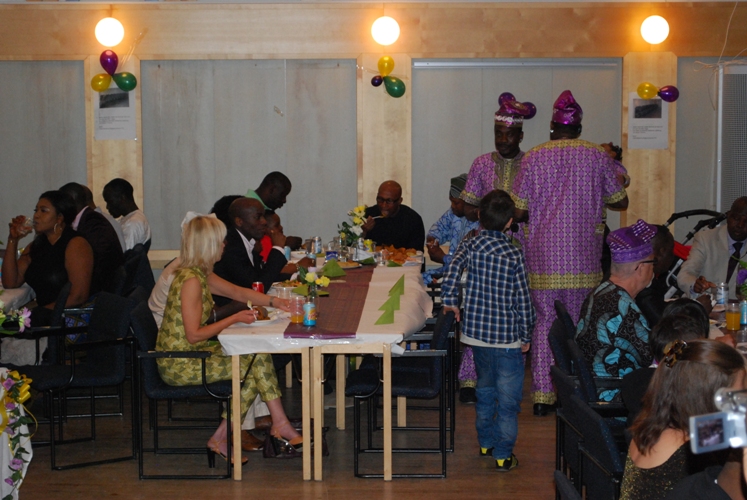
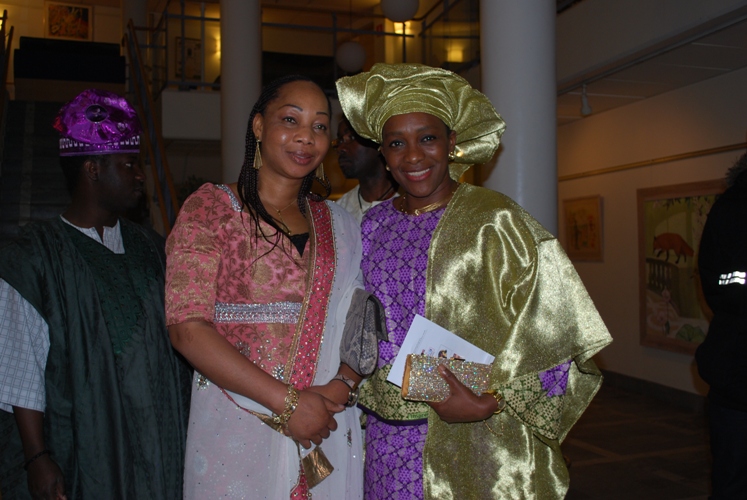
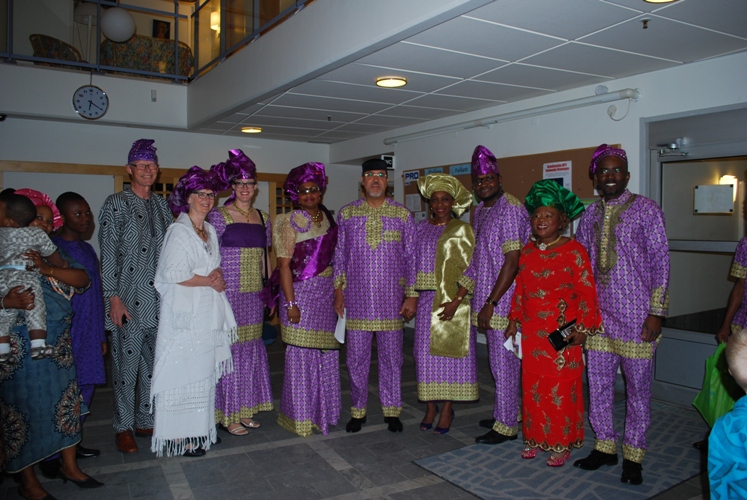
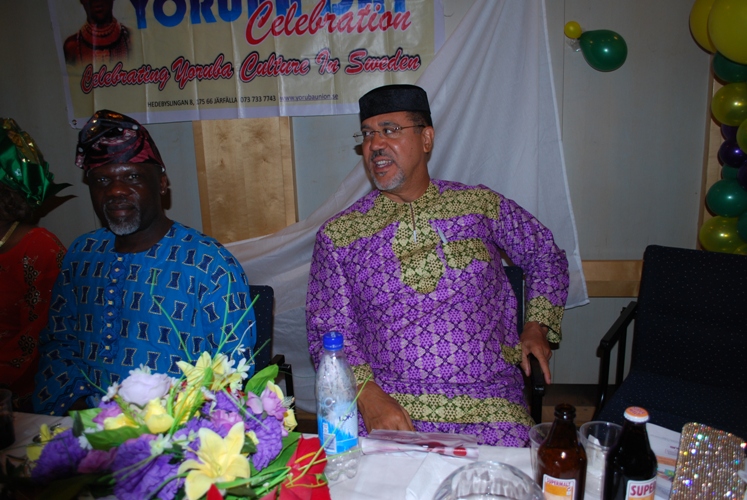
The Yoruba Union in Stockholm, Sweden successfully hosted its second annual Yoruba Day celebration on Saturday the 10th of May 2014.

This celebration of Yoruba culture and tradition has been lauded by several guests and participants as an improvement of the maiden edition which took place on the 11th of May 2013.

The first annual Yoruba Day was reported here in the village square at this link:

[http://www.nigeriavillagesquare.com/articles/photo-news-yoruba-union-in-stockholm-celebrates-yoruba-day.html]

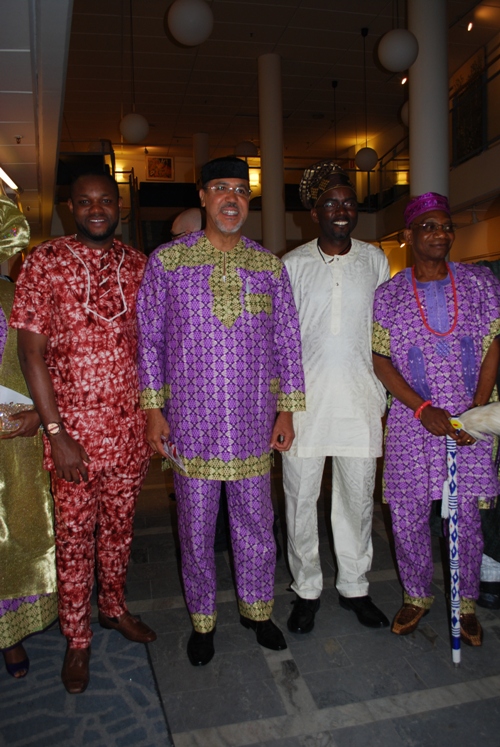
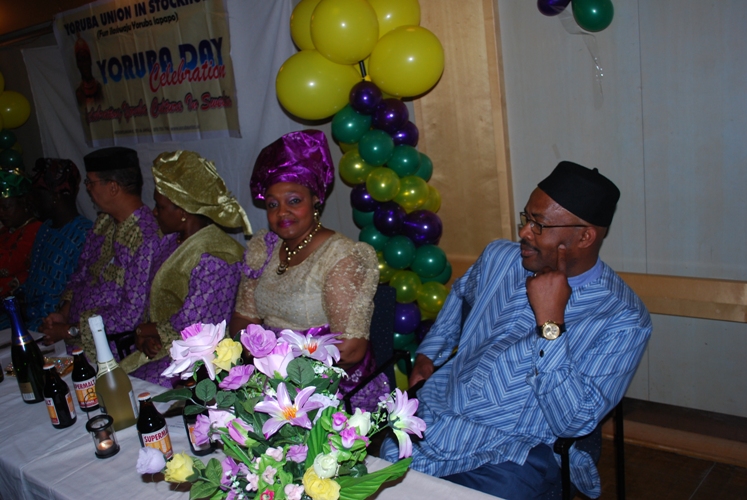
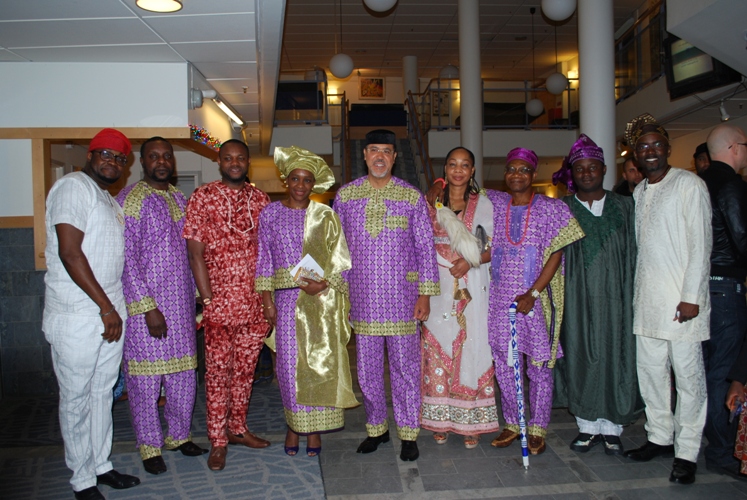
Just like the maiden edition the special guest of honour was the Nigerian Ambassador to Sweden, Norway, Denmark, Finland and Iceland, Amb. Benedict Onochie Amobi. His wife, Her Excellency Mrs. Sheila Amobi was also in attendance.

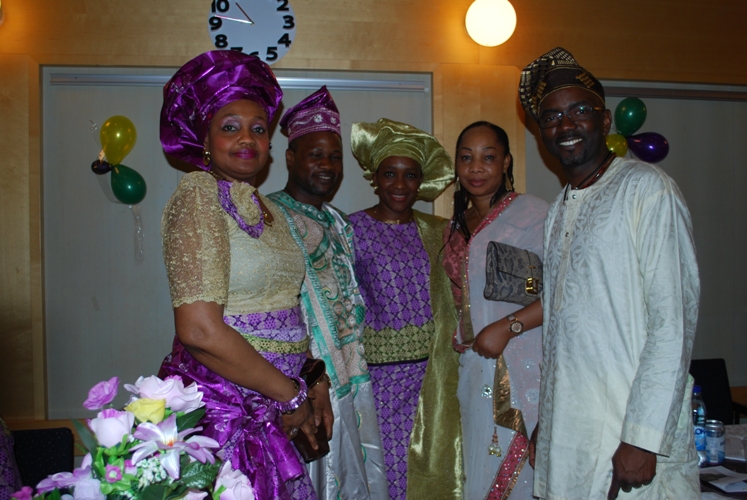
Among other dignitaries were Sola Mansur Amao, Engineer Olatunde Aluko, Prince Jeffrey Ajani, Mrs. Clara Rogo, Mr. John Rogo, Princess Adetoun Lasebikan, Mrs. Susan Amao, and Mrs. Egbo of the Nigerian Embassy, Stockholm. Mr. Dominic Emene the president of the Nigerian Union in Stockholm was also in attendance.

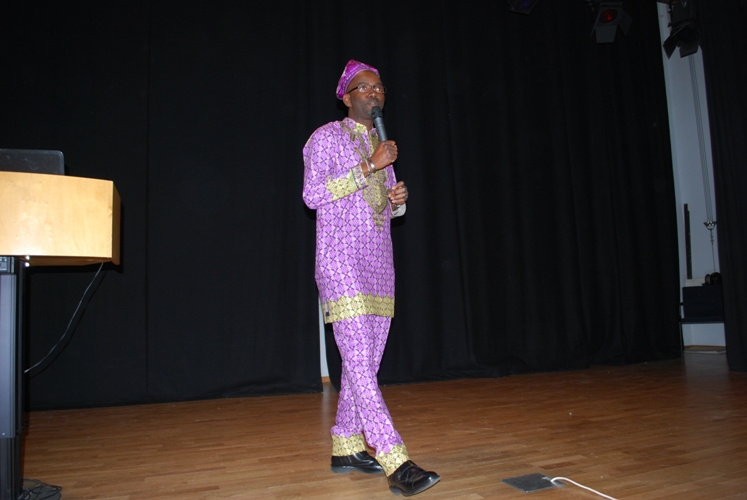
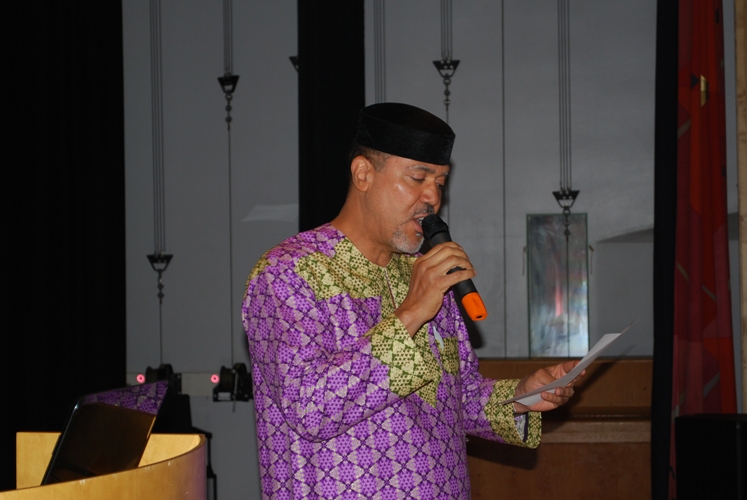
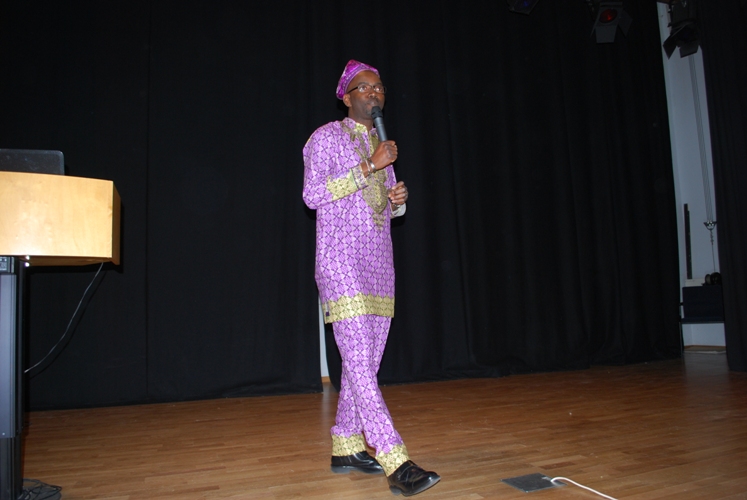
Adeola Aderounmu giving the welcome address

Adeola Aderounmu giving the welcome address

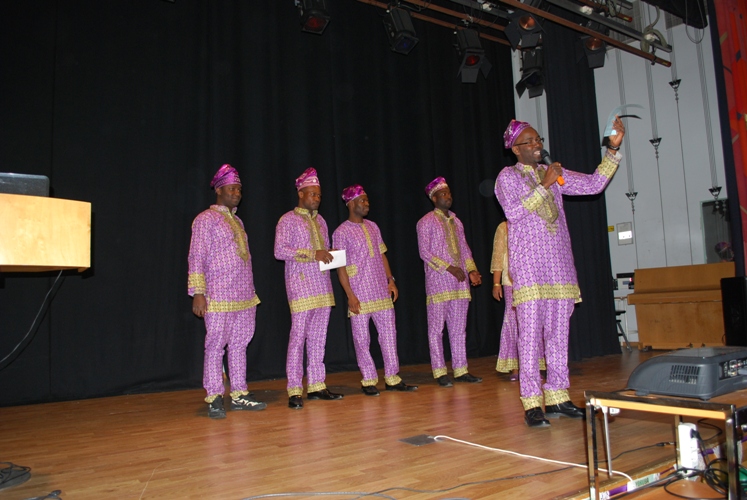
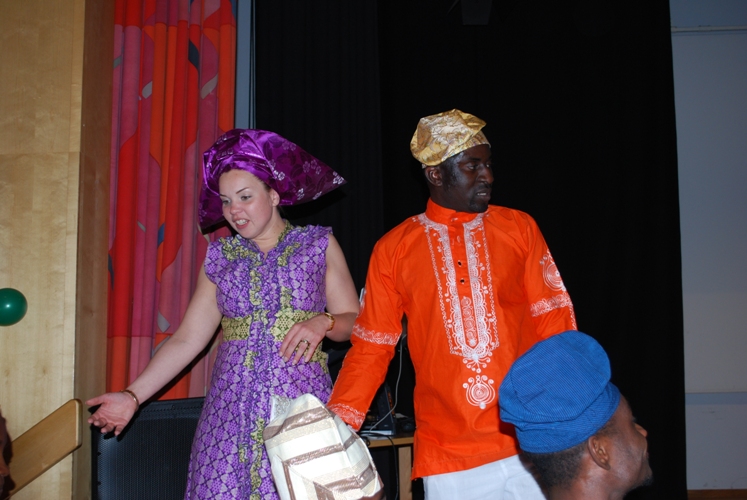
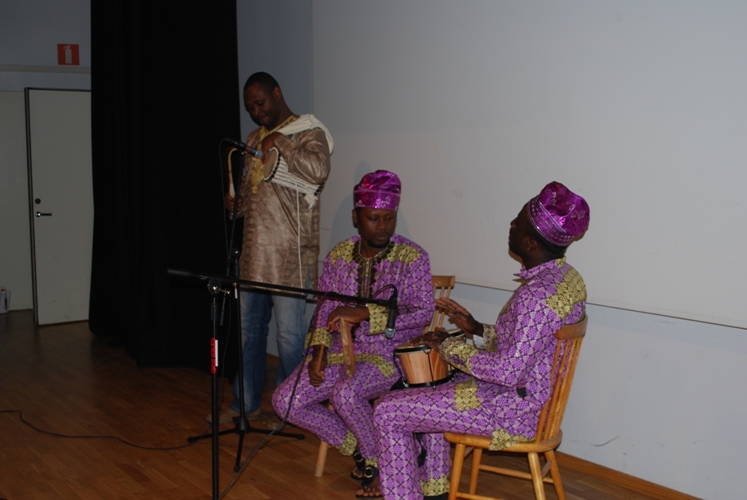
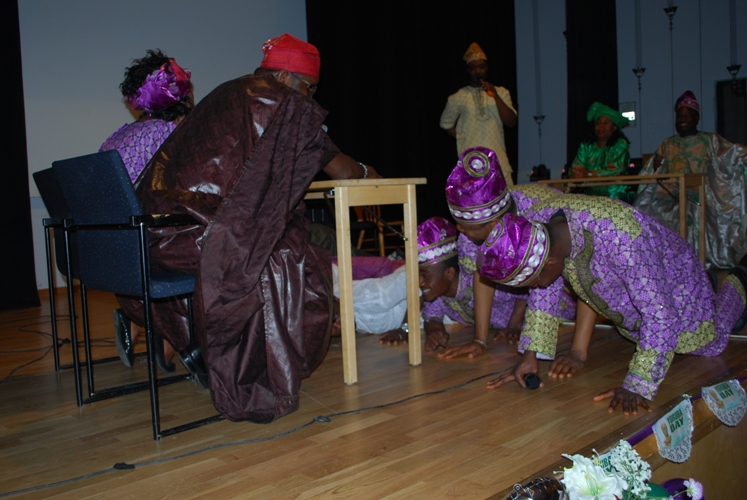
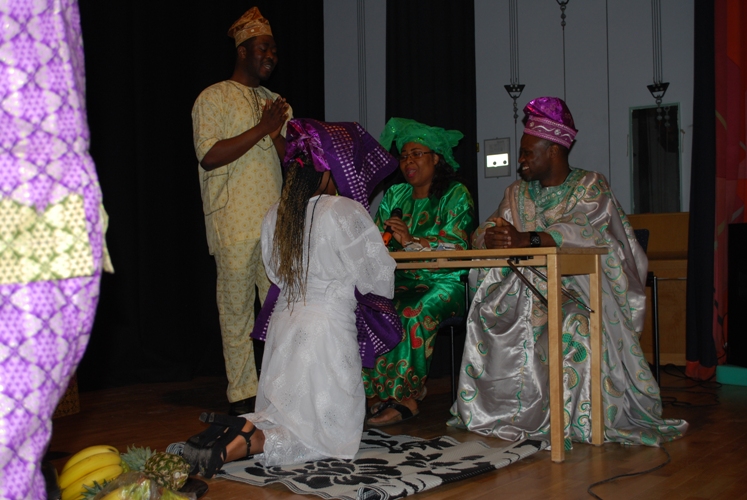
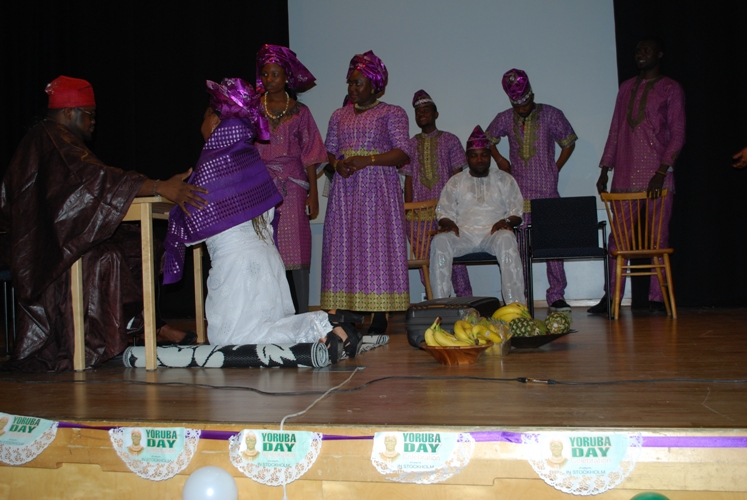
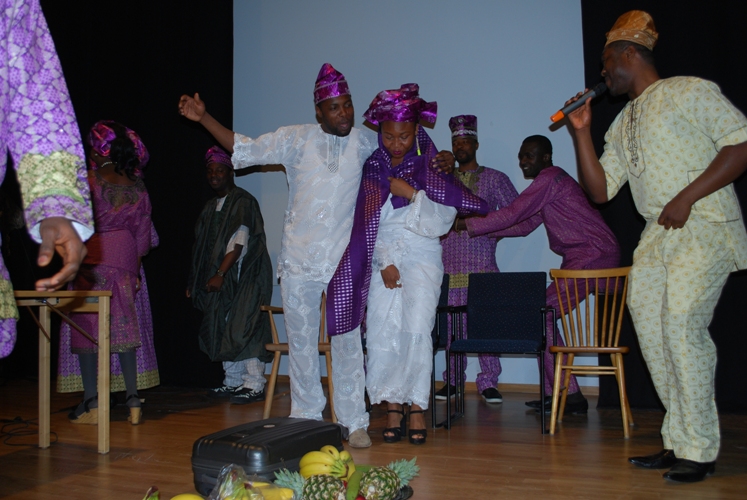
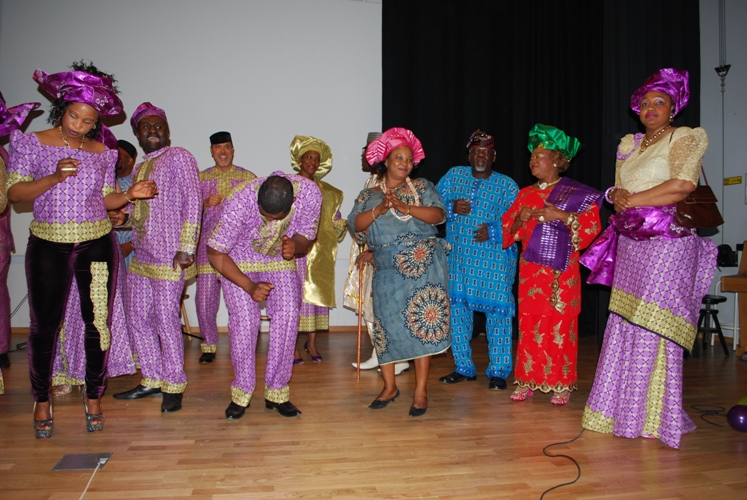
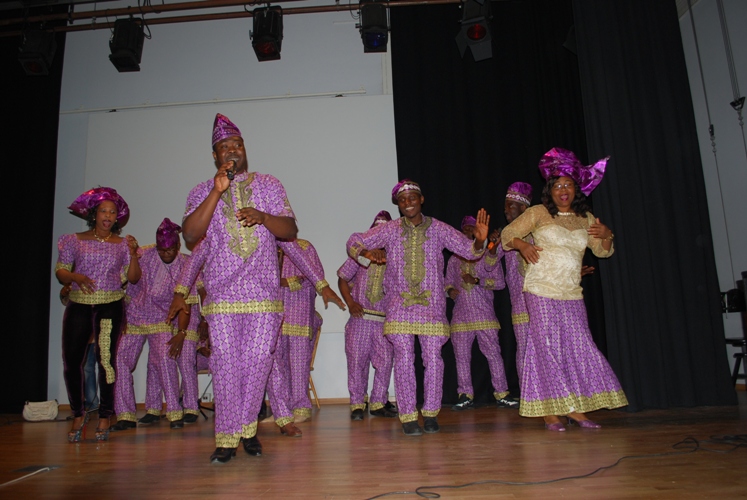
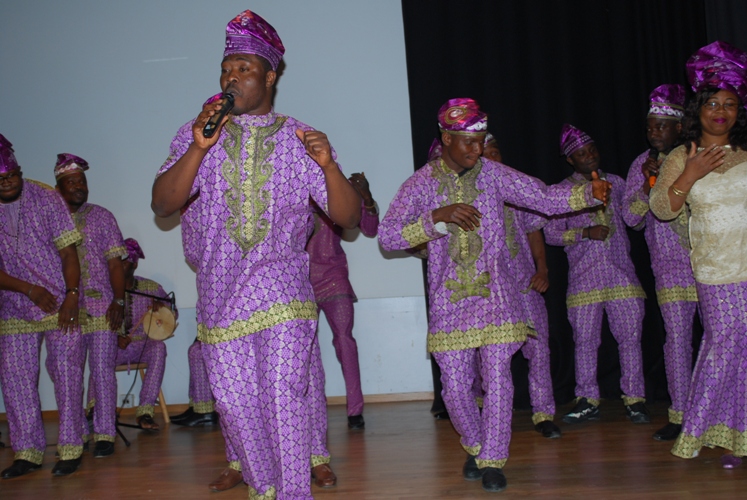
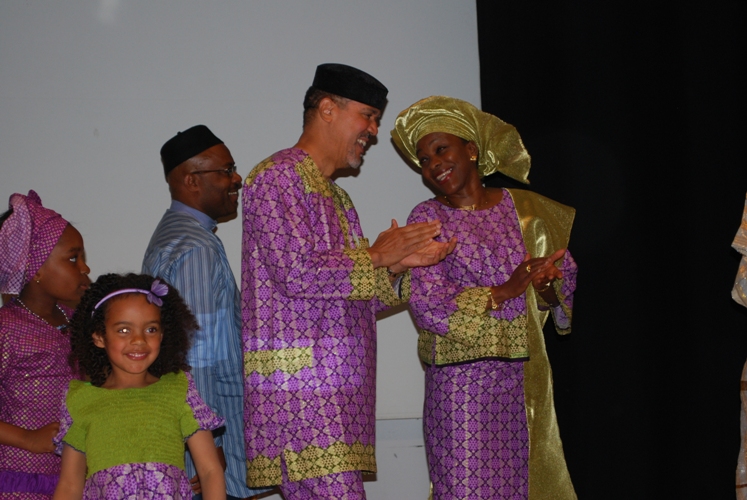
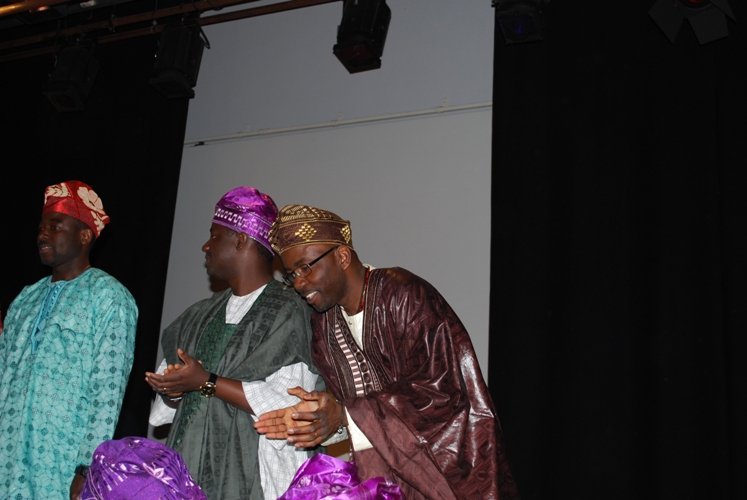
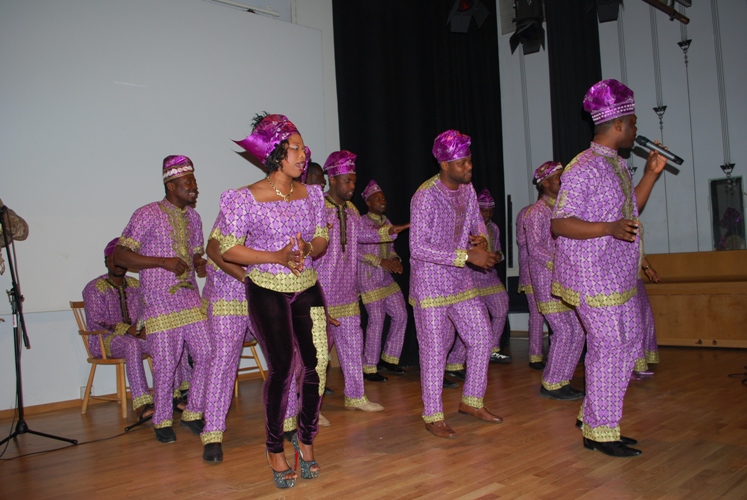
During the celebration, the members of the Yoruba Union had 2 sessions of Yoruba Cultural dances and a short drama on traditional marriage in Yorubaland was the last event of a very eventful evening.

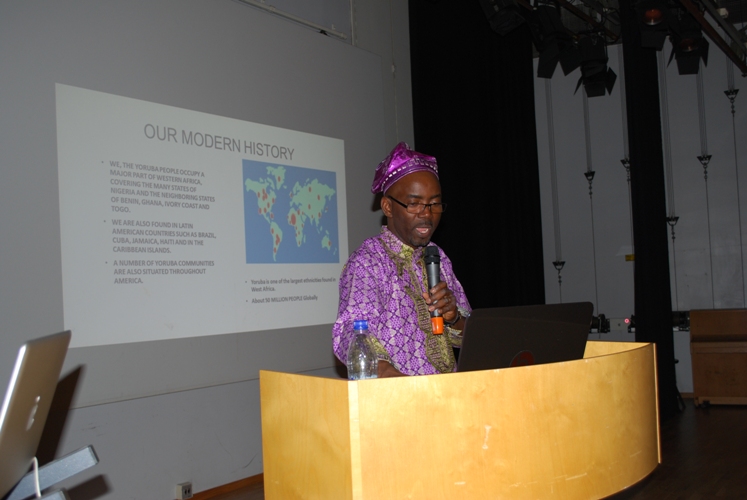
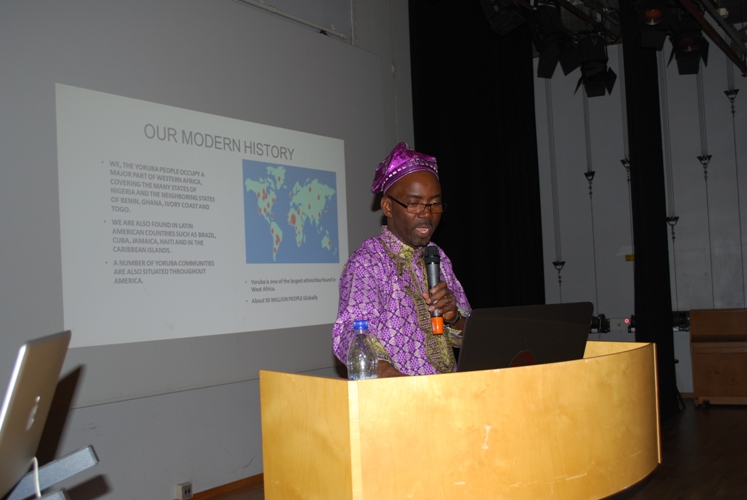
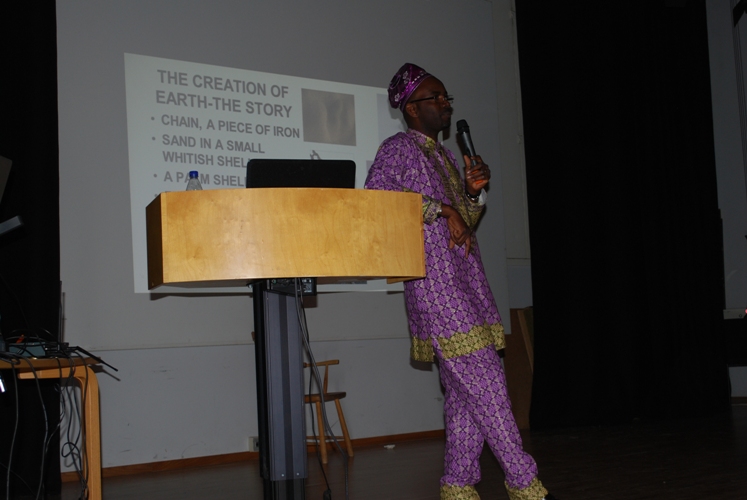
The president of the Yoruba Union in Stockholm, Adeola Aderounmu gave the welcome address and also had a 15-minute lecture titled: Ile-Ife, Our Ancestral and Spiritual Home.

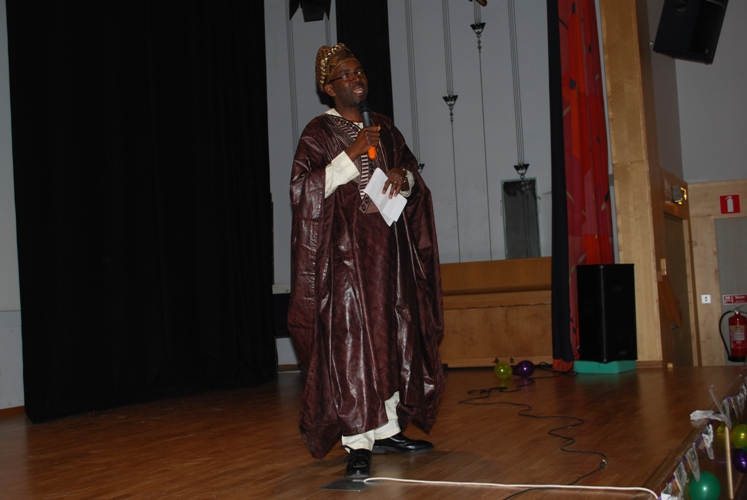
Adeola presenting the lecture on Obatala, Oduduwa, Creation and Modern Yoruba History

Adeola presenting the lecture on Obatala, Oduduwa, Creation and Modern Yoruba History


In the presentation, he highlighted the position of Ile-Ife as the origin on all Yorubas worldwide. He also gave a brief account of creation through the hands of Oduduwa and Obatala.

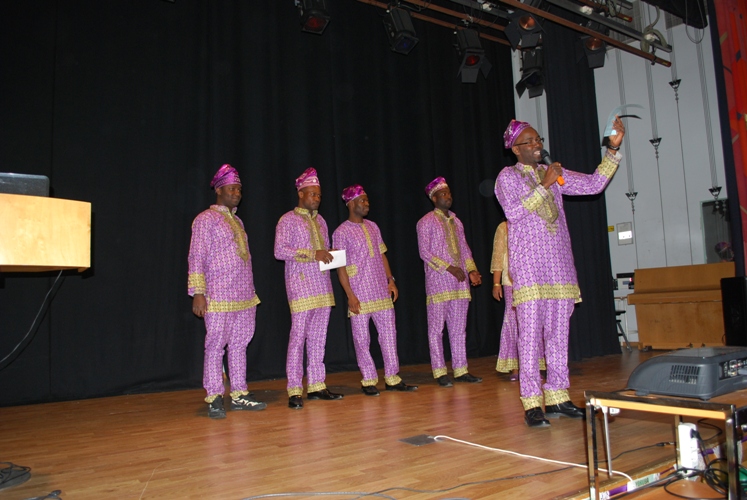
Adeola introducing the members of the executives of YORUBA UNION Stockholm, Sweden

Adeola introducing the members of the executives of YORUBA UNION Stockholm, Sweden

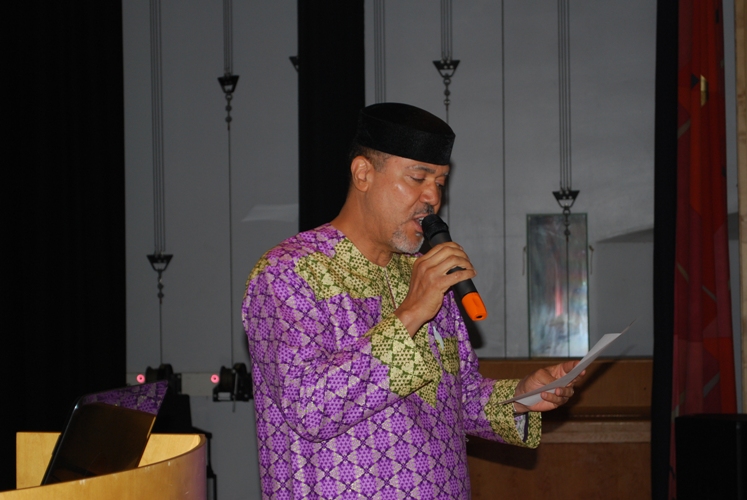
During his own speech Ambassador Amobi congratulated the Yoruba Union for sustaining the Yoruba Day celebration and for the progress that has been made since the previous edition. He also mentioned the immense role played by the Yoruba Union in Stockholm during the IFE Dynasty and Ancient Art Exhibition at the Modern Museum in Stockholm.

Amb. Benedict Amobi giving a speech at the Yoruba Day celebration in Stockholm, May 10 2014

Amb. Benedict Amobi giving a speech at the Yoruba Day celebration in Stockholm, May 10 2014

Ambassador Amobi condemned the rise of terrorism in Northern parts of Nigeria and Abuja. He mentioned that the government is working to stem the rise of Boko Haram. He also condemned the kidnap of school girls from Chibokdignitaries

cs charly adagbon

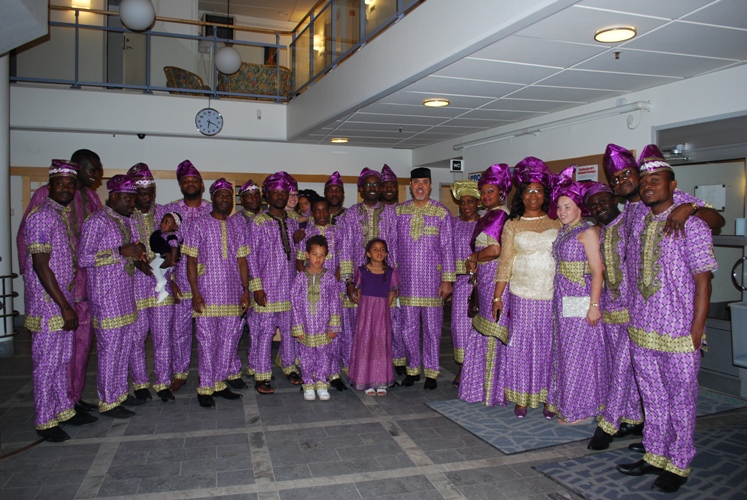
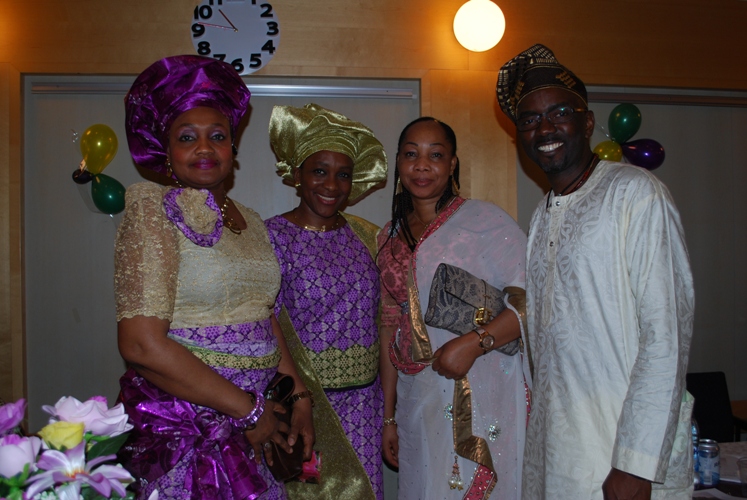
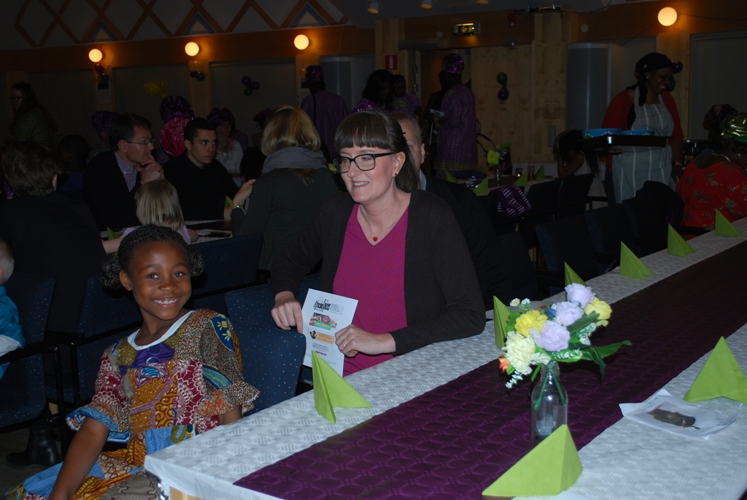
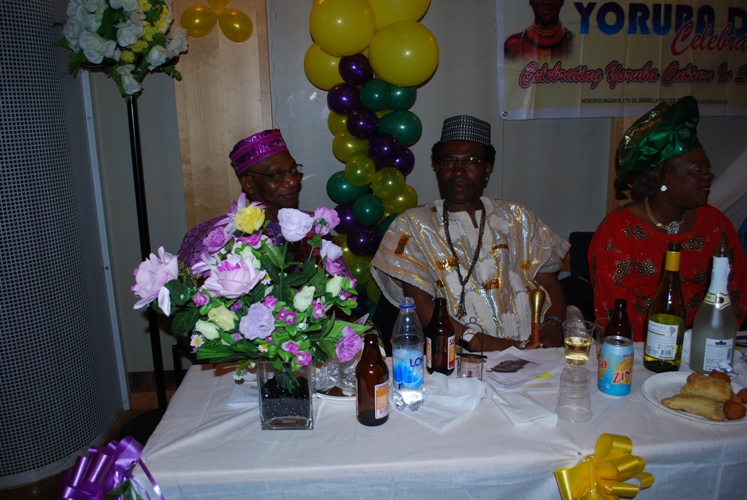
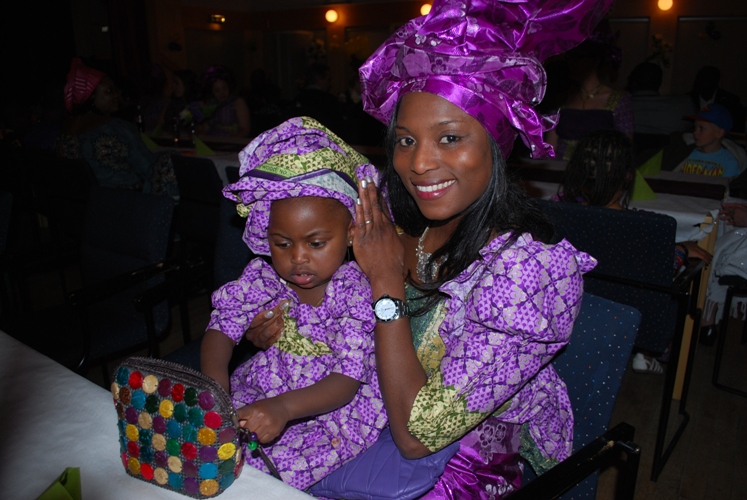
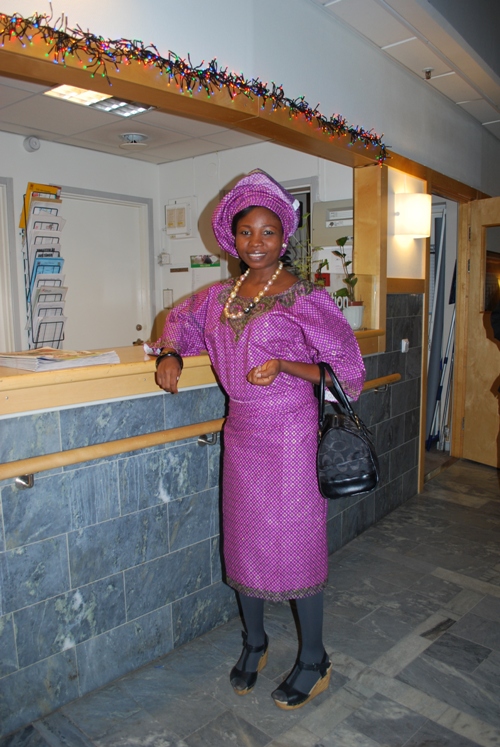
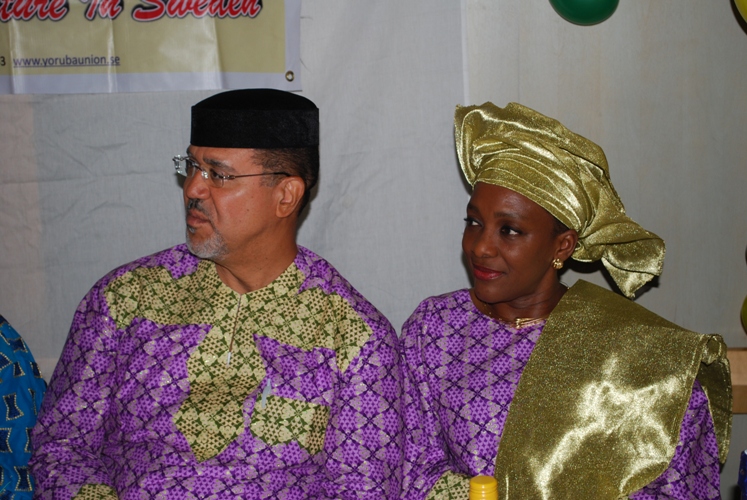
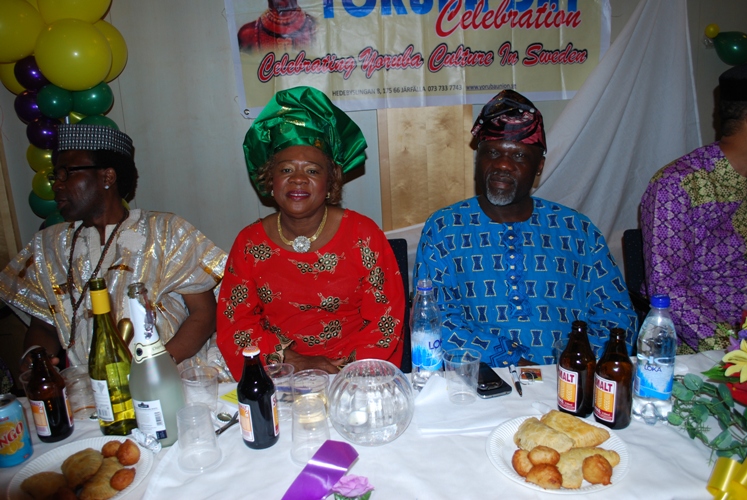
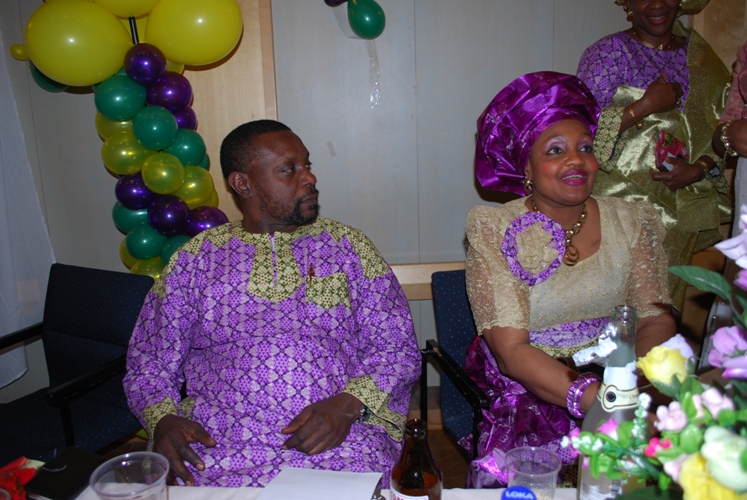
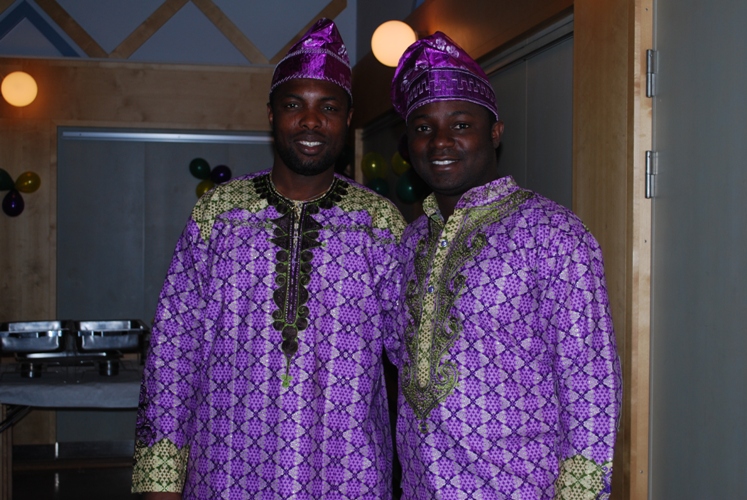
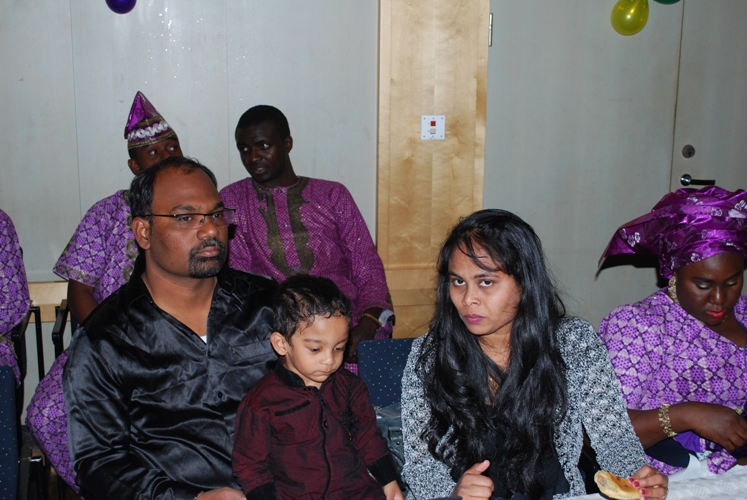
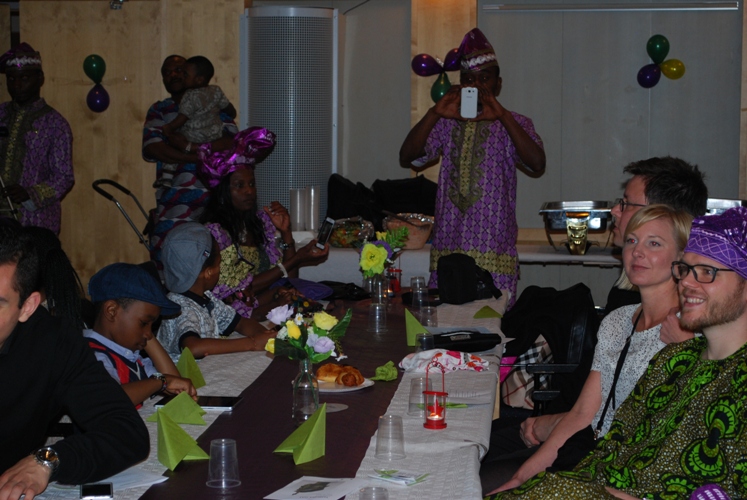
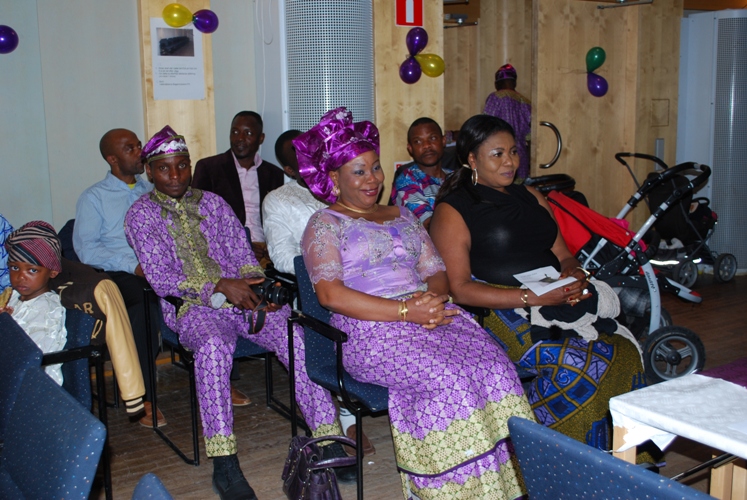
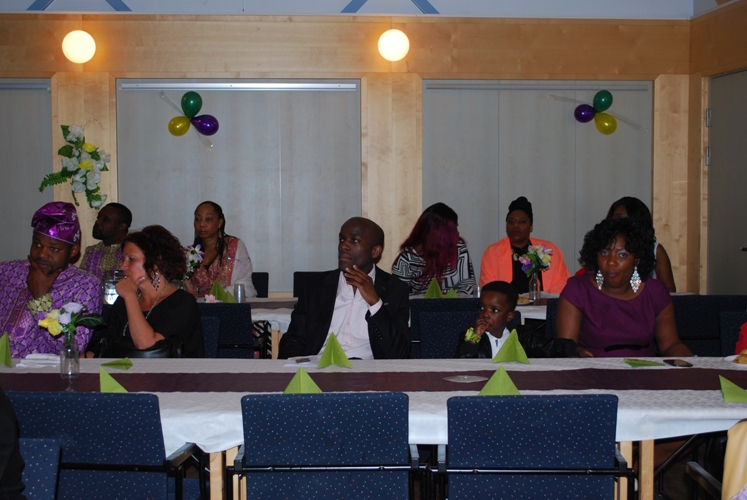
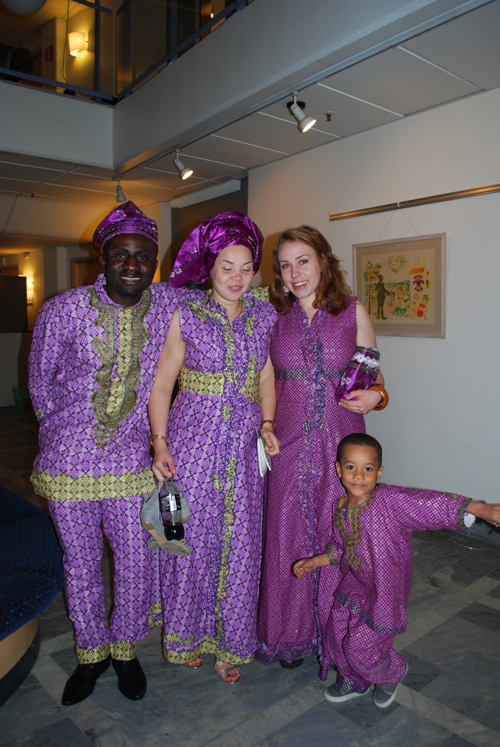
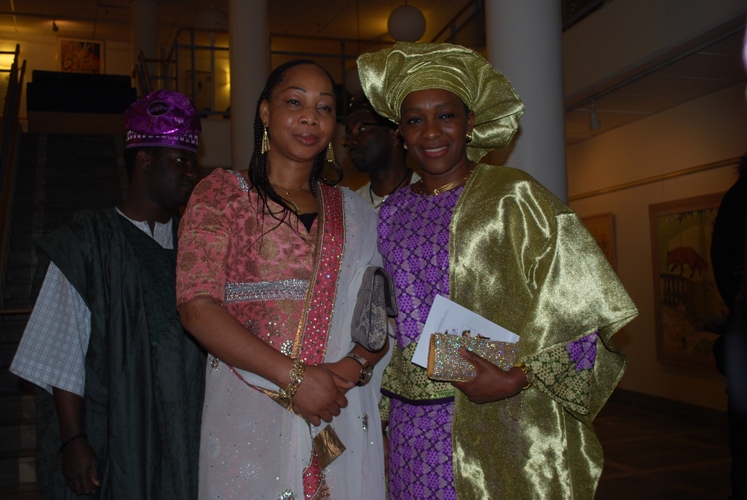
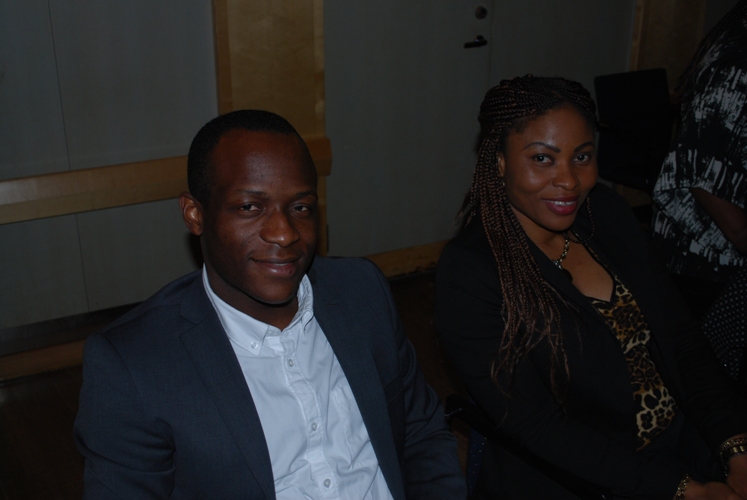
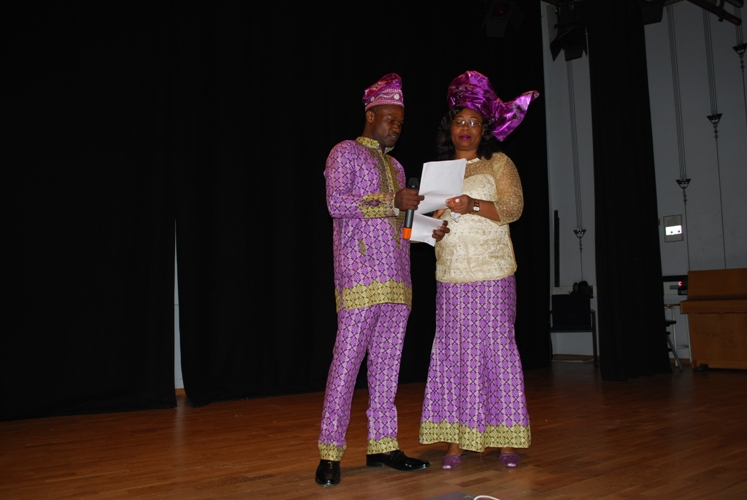
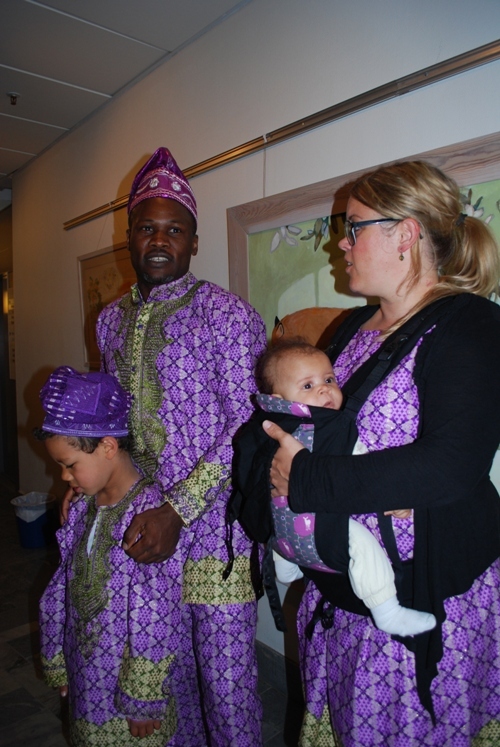
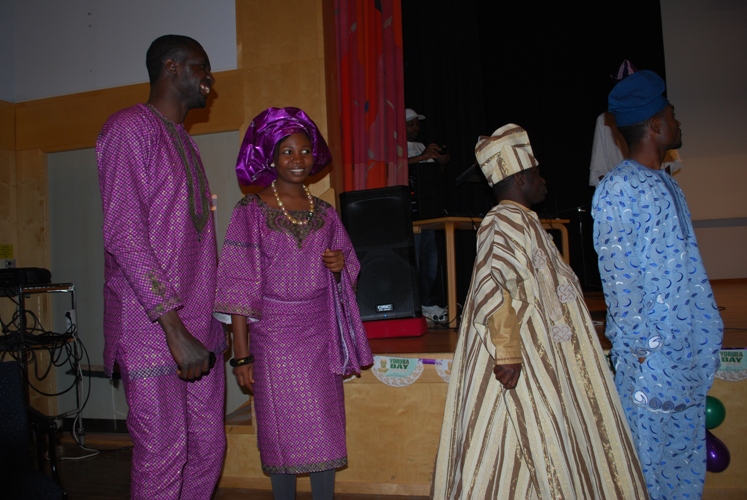
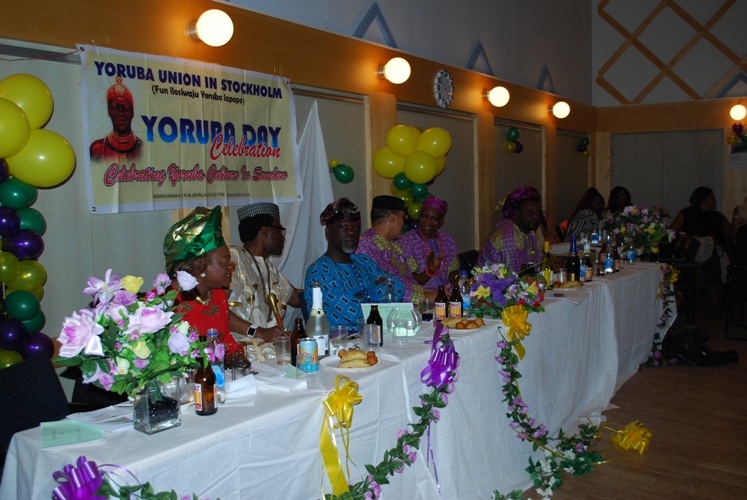
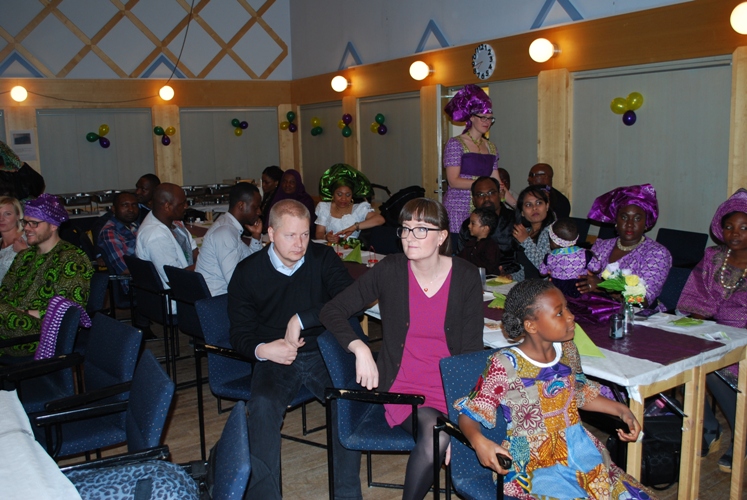
Below are some of the pictures showing the successful hosting of the Second Annual Yoruba Day by members of the Yoruba Union in Stockholm, Sweden.

Happy Viewing:

article_yusuf n gabu

article_Yoruba Union members and the amb_wife

article_women busi

article_starting

article_speech

article_princess Lasebikan others

article_pressy talking

article_president and female dignitaries

article_Omo Yoruba

article_Olatunde Aluko and Prince

article_mum n child

article_Mrs Osobu

article_Mr n Mrs Amobi

article_Mr. and Mrs. Rogo

article_Mr. Amao and Princess Lasebikan

article_joke

article_ibk

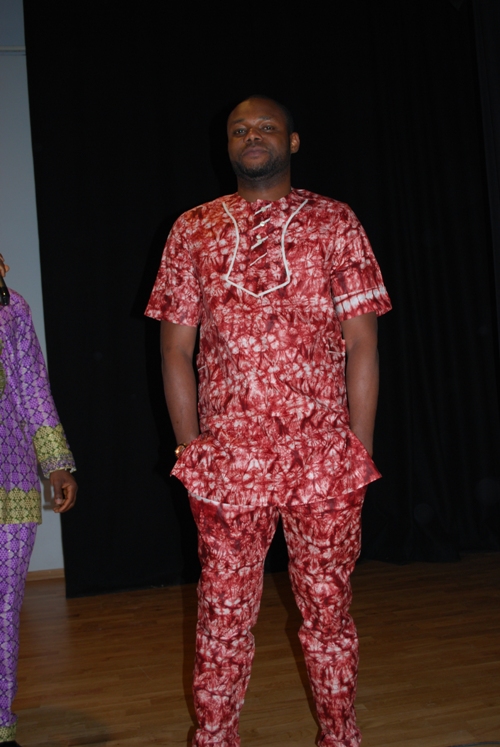
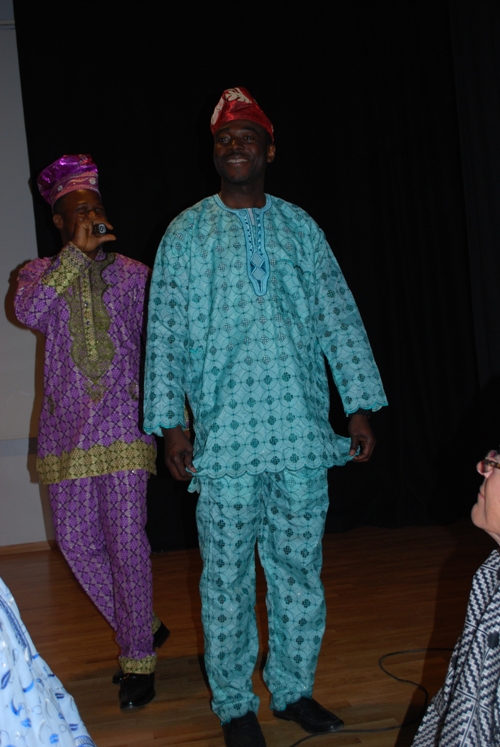
article_fashion parade

article_fashion p Ibrahim

article_fashion p ayoola

article_drummers

article_drama 4

article_drama 3

article_drama 2

article_drama 1

article_dominic

article_dignitaries

article_debo n sherif

article_debo n anne

article_david fashion p

article_dance dance

article_dance

article_cultural dance

article_cs7

article_cs6

article_cs3

article_CS2

article_cross section 1

article_cd 2

article_buffeet

article_ayoola family

article_amd wife and mrs Amao_better

article_amb wife n mrs Amao

article_amb speech

article_amb n wife leaving stage

article_amb n others

article_adeola presentation

ARTICLE_Adeola lecture

article_adegoke

article_abiola lydia mcs

article_abiola family

article_ fashion p, AY

article number 1 banner

Article last

article John  Rogo and Amb

article fashion parade_adeola applauding

article cs 5

article cd3

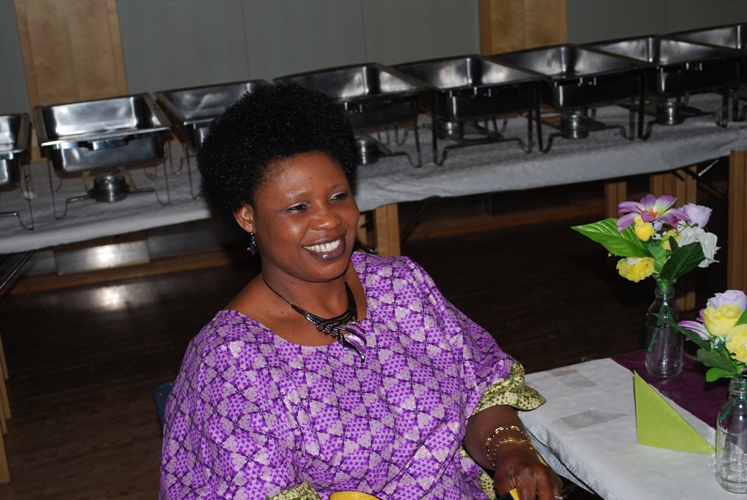
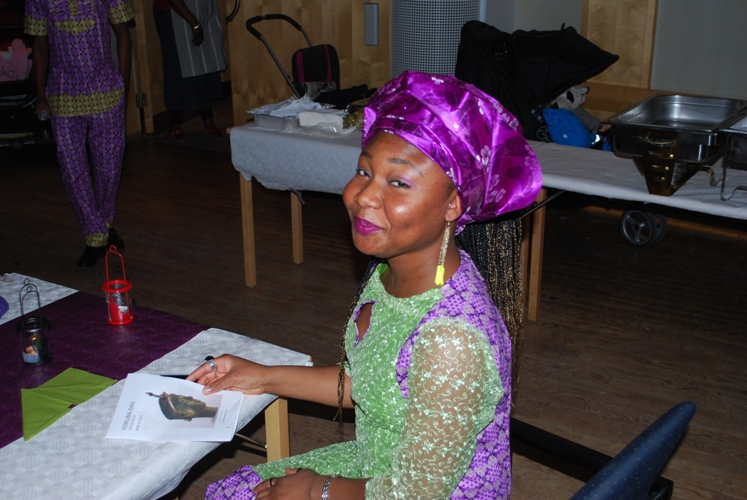
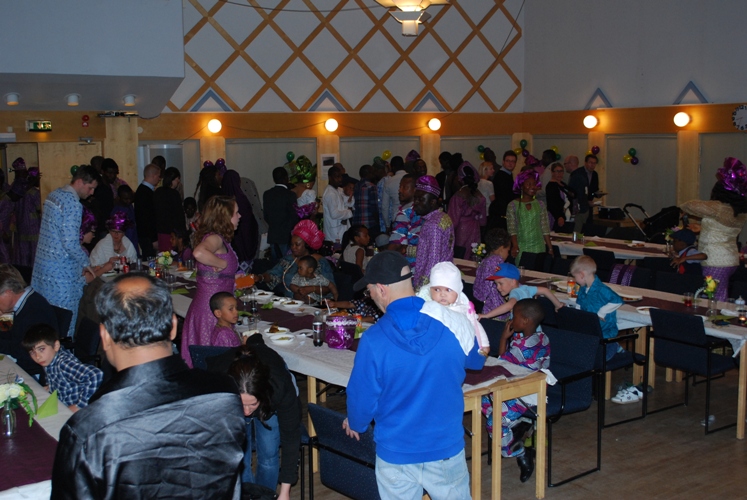
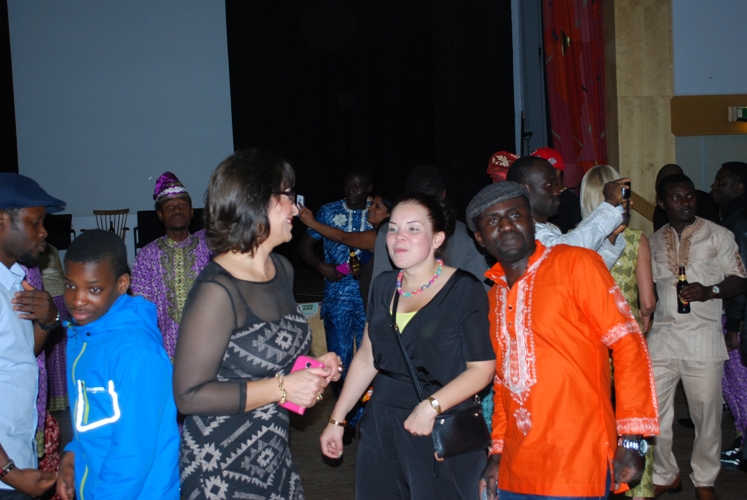
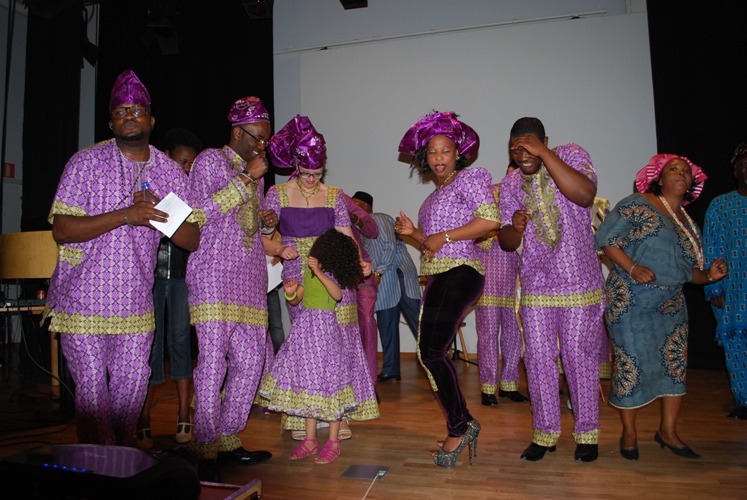
During the Yoruba Day celebration there was plenty to eat and drink as the buffet covered several of the Yoruba traditional dishes. The atmosphere was brilliant and ignited by dance, merry and happiness.

For more pictures/images visit our facebook page, https://www.facebook.com/groups/yorubaunion/

Our website, http://www.yorubaunion.se

Mail us, info@yorubaunion.se

Videos on Yoruba Union STOCKHOLM Channel on YouTube, https://www.youtube.com/user/YORUBAUNION

Leasing Nigeria? No, Thanks!

By Adeola Aderounmu

To understand the background to the title of this essay, you’ll probably have to go back to the days before you joined facebook and find the article that I wrote in 2007 titled: Shall We Lease Nigeria For A Ten Year Period? It’s available on the Nigeria Village Square website.

Leasing Nigeria

We argued back and forth why we should not get to the point where Nigeria will be handed over to the imperialists or colonialists.

But 7 years after the article was written, in the second week of May 2014, Nigeria was partially handed over to the US, Britain, France and China, at least in the area of National Security. It happened voluntarily. The cost on Nigeria’s already sapped resources will be inestimable. The strings that will be attached will strengthen the reign of the imperialists and neo-colonialists.

All of this madness could have been avoided if the federal government of Nigeria is wise and just. Agreed the problem of insecurity dates back to the pre-Jonathan area, still what Nigerians have experienced in terms of “leadership” (what I prefer to call rulership) since the ascension of Goodluck Jonathan is simply rubbish. When a ruler tries to separate stealing from corruption, then hope is not just dim, but also lost.

I also read through one of my stories in the village square titled: 1999-2015 Pdp Years May The Worst Years Of Our Lives” and I reflected upon it against the backdrop of the rise in terrorism and the extreme polarisation of Nigeria along North-South divide and Christian-Muslim alienation.

In the essay I gave useful recommendations on what Jonathan can do in 4 years to revamp Nigeria or set it on the course of rejuvenation. Invariably a corrupt Jonathan who has surrounded himself with liars and corrupt people made no sound efforts to move Nigerians out of the poverty zone. In fact, the man who had no shoes as a young boy can no longer identify with the poor. How time changes!

Since 2011 Jonathan could have avoided distraction and focus on governance. He could have tried to chase a quarter of the promises he made on his campaign trail in 2010. Rather than choose nobility, Goodluck rode on high horses and supervised the raping of Nigeria. He commends the rape of Nigeria by all his ministers who have been alleged to be corrupt. Today Goodluck Jonathan is not a man of little credibility; he is actually a man of zero credibility.

The rise of the insurgencies in Northern Nigeria has been traced to the political parties in Nigeria over and over again. Many unconfirmed stories are also talking about the influence of foreign governments. But the allegations against the ruling party (just the way the Niger Delta militants were used in the 2003 electoral season) still stand to be disprove. The mix of the allegations with the eventual evolution of the extremist group into an uncontrollable monster finally exposed the incompetency of not only Goodluck Jonathan but also the entire machinery of governance in Nigeria at all levels.

So, we got to the point we have been afraid of. The Nigerian army that quelled wars in Liberia, Sierra Leone and Mali could not end the insurgencies in Northern Nigeria. The Nigerian government that helped disrupt the reign of Apartheid in South Africa suddenly became helpless at home.

The breakdown of command from Aso rock to the forests and mountains in Borno state leaves one in search of the true history of Boko Haram. The role of the snitches in the Nigerian Army deserved to be investigated. This breakdown leaves more questions than answers in all the cases of evil, murder, arson, kidnapp, assasination and general absence of law and order in the face of emergency rule in Northern Nigeria and Abuja.

Nigeria has gone too far promoting ineptitude and sycophancy. The system of governance is wrong and deserved a change. Unfortunately the change is not in the making by the bunch of jokers currently enjoying “holidays at great cost” under the pretence of a so called “staged national conference”. Those parasites should be sent home.

It’s really difficult to ask the Nigerian legislators who are also massively corrupt to start a process that will re-engineer and restructure the geographical distributions in Nigeria. But the request must pass. Nigeria cannot rely on foreign intervention because of terrorism in Nigeria which now poses as a great threat to national security. It is time to revert back to regional government.

The regions should be strengthened at the same time that the corrupt center is dismantled or stripped of most of its powers. Mr. Jonathan confirmed that using 50% of his powers will make him a dictator. That sort of system is too useless to sustain. He is already worse than a dictator by the way.

One obvious fact facing Nigeria in the face is the lack of unity and the near impossibility of one dude ordering people around from Abuja. Indeed there are states and local governments in Nigeria but they are all too dependent on the federal unitary system. This is a massive handicap in government. That chain needs to be broken and the old regions need to be restored or reconstructed. This reconstruction may be wisely done as not to play into the hands of the international community that seeks to weaken the regional power of Nigeria.

If powers are not concentrated in Abuja, Boko Haram would not be heading there. If the North-Eastern region runs its own government, it will resist and fight back insurgencies with all its might. There might not be any insurgency at all because the people will realise that they have to choose reliable people during every election and they will look forward to peaceful changes when they have faced disappointments. There is a lot of silence from Northern Nigeria. If they run their own government all the silent people would render their voices. But when necessary the federal forces can always help the regions to regain stability.

The Nigerian government is delaying reforms. The Nigerian government and the politicians in particular are acting out of selfishness and they cannot imagine a life without corruption. They cannot imagine a life when the people would have freedom. The evolution of Boko Haram is changing the course of history in Nigeria while the lack of action continues to heighten the probability of a violent disorder and eventual breakup.

Many have argued that a peaceful process of re-organising Nigeria politically is far better than the revolution that looms with the rise of Boko Haram. The history of foreign interventions in Afghanistan, Iraq and other places came with sour tastes. It is always better to make peaceful resolutions than to engage in violent-induced changes that can consume anything or anyone.

History is a great teacher and to ignore the lessons of a bad history always allows it (a bad history) to repeat itself with devastating consequences.

aderounmu@gmail.com

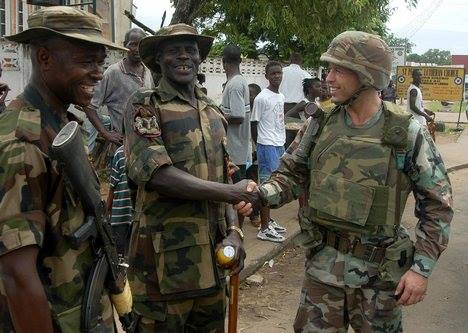
[Photo Taken From Nigeria Watch]