Living Abroad Is Not Immortality

Make love. Make friends. Refresh your spirit. Laugh. Cry. Move, Run. Look back. Look forward. Reflect. Think. Read. Watch. Live! Find happiness and motivation within and around. Don’t take good health for granted. Exercise your body, mind and soul.

Living Abroad Is Not Immortality

By Adeola Aderounmu
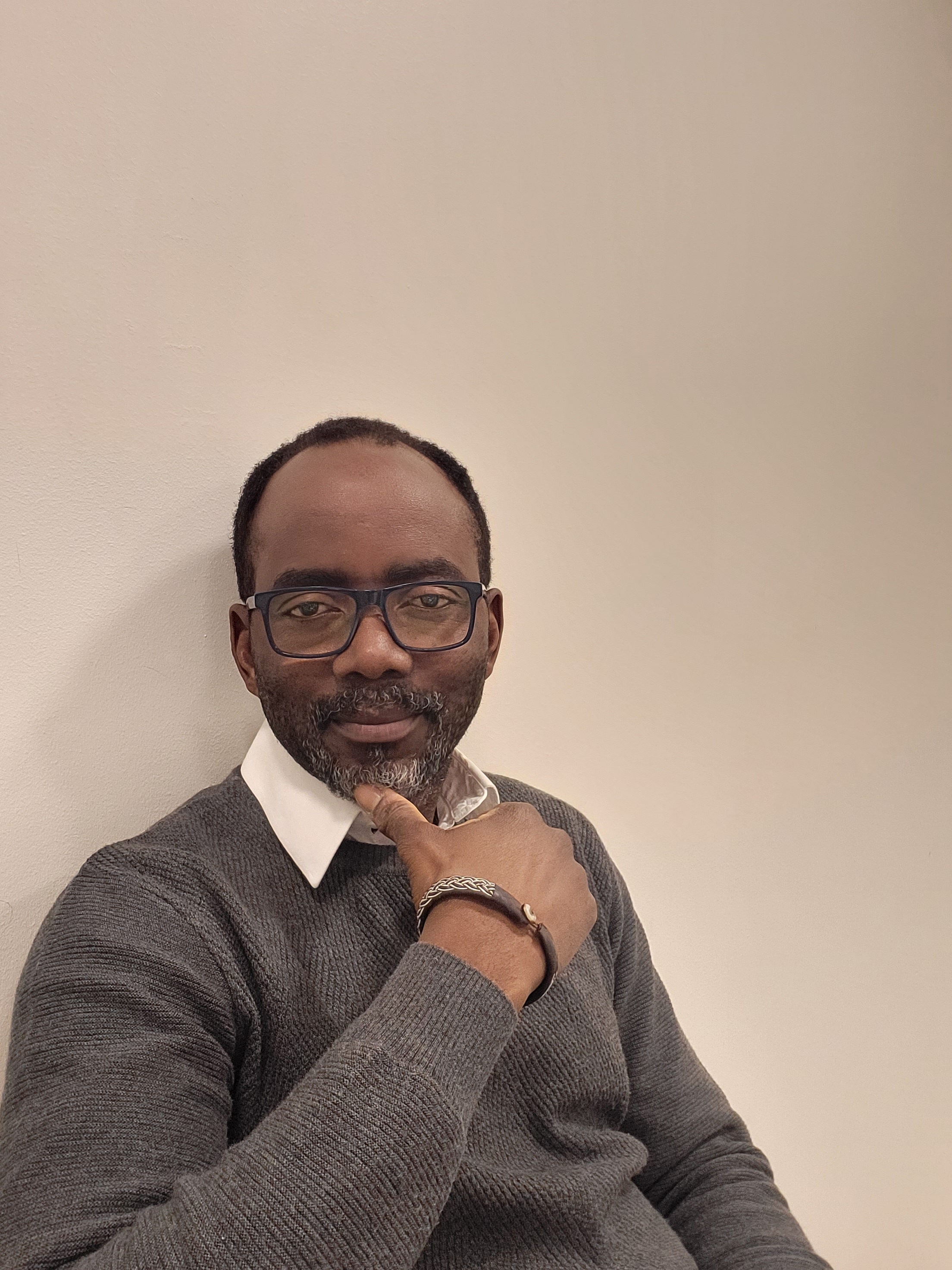
Let me drop these few lines from the perspective of a Yoruba living far away from the land of my ancestors. These few lines will be based on my personal experiences.

I met a guy in Sweden in 2013 or thereabout. Indeed, it is a mystery how I didn’t meet him in Festac Town, Yoruba Country before I came to Sweden at the beginning of 2002.

We shared common childhood friends like the Olisehs and he knew many of the guys I played football together with, like Ubaka, George and several more. At that time of my life, my football skills took me near his own place of residence in Festac town precisely along 711 road/ 24 Road. But we met first in Stockholm at the reunion of Festac people in the Scandinavian, the first edition, which I hosted. In the subsequent edition in Finland hosted by Ebunoluwa, he could not make it.

During my visit to Malmö in 2019, he came to my hotel room and as usual we spent some quality time together.

Onyebuchi had probably arrived from Japan in the early 2000s and he contemplated whether to settle in Sweden or not. A few years later, he sent me a private message thanking me for inspiring him to stay in Sweden especially after we met in 2002. If you asked me what I told him or how I inspired him, I have no idea.

I have listened to people saying I (Adeola) did this and I did that, but often I have no recollection of what they are talking about. I just do the things I do and always stay positive that everything will work together for good. I remembered someone said I gave him the opportunity for his first white collar job in Sweden. How was I supposed to know that? It was a job that we needed someone to do, and I found him suitable. That’s just it.

In 2019 I travelled alone to Malmö in Sweden. In fact, it turned out to be my last major travel before the covid pandemic, and the last time I saw Onyebuchi in person. I drove all the way and stayed at a hotel in the central part. But I was visiting 3 friends, all with Festac connection, and Onyebuchi was one of them. It was 2 or 3 days well spent during the summer holiday. Seeing Adex and senior Tolu will always be a pleasure.

If I knew Onyebuchi had issues or could depart so soon (around Jan 1, 2023), I would have strained myself to make another drive to Malmö. Who knows what would have happened? Together, we may have changed the sequence of history. He may still be with us today. But we are mortals. We will die. That we will exit this planet is the surest thing in life. Nobody will leave planet earth alive no matter how long/short, or how good/bad we live. Death is our common denominator.

It’s just very sad to die far away from home when life has not been fully lived, when that dream of growing old is cut short. I’m happy that Onyebuchi made Malmö his home and that he loved his young son with all his heart. The agony that is felt by the families we left in our home country is the sad aspect. It is therefore imperative that whilst we are alive, that we see ourselves as living things that want to survive, that crave for happiness and fulfilment but in the end, not afraid to die. It will happen anyhow.  

We left motherland to live in faraway places. Mostly it is in search of comfort, the pursuit of happiness and fulfilment. But our accomplishments of these feats do not make us superhumans. Those who left home to faraway places are not superior beings. They are made of flesh, bones and blood. They are humans living with pains, hope, laughter, good times, bad times, thoughtful and thoughtless times. They fall sick, they get depressed, they may be curable or incurable of their illnesses. It’s still all the same about our frailty and mortality no matter where we find ourselves.

The opportunities we have to succeed are also still relative. They depend mostly on our competences and then that element of luck or coincidence that place us at the right places at the right time. A sad outcome of chasing dreams far away from home is ending up worse than what you could have become elsewhere (home or another place).

Personally, I have no idea if being a professor of Parasitology in Yorubaland would have made me happier than my life in Sweden as a special education teacher (of mathematics). Can I still become a professor? Yes. Will I aspire? I do not think so because it seems I have reached a point where I do not want my knowledge about things and my ways of reasoning to be subjected to measurement any longer. I believe with the right tools; every person can see how infinitely the human brain can function. I have been infinitely influenced by a phrase I saw in my cousin’s hose in Ibadan around 1995/96. Bloom where you have been planted. How do you know where you have been planted though?

If you have family members abroad, you need to start seeing them differently. Indeed, there are several millions of Africans scattered around the world today and the reasons are no longer due to direct slavery (even if some circumstances are similar to it). Abroad is anywhere that is not home. So how many people do you have to take into considerations when you think of the people you know abroad or in different geographical regions from where you are?

People abroad are not superhumans. They will develop new ways of thinking and acting after a long spell in places different from home or birthplace. They will make mistakes; they will fall, and they will try to rise again. They may be out of jobs, and let’s hope that is temporary. Young people generally, will lose their minds and stability if they are out of jobs permanently. Some of us will be crossed due to unstable family relationships. Humans are social animals and any attempt to find a way around that socialization is unhealthy.

Whether we are at home or abroad, we should make efforts every now and then to reach out to another (but not in cases when reaching out can cause you trauma or discomfort). Make efforts to build a new bridge if the old ones get burnt. One of the harms you can do to yourself is to be static. Make love. Make friends. Refresh your spirit. Laugh. Cry. Move. Run. Look back. Look forward. Think. Reflect. Find happiness and motivation within and around. Don’t take good health for granted. Exercise your mind and body. Read. Watch. Observe. Live.

If you open your eyes every morning, if you get out of bed every morning, think about what you can do better this day than what you did yesterday. Think about newer opportunities and if there is a little effort you can make to achieve something great. Within the limit of your human capabilities, not doing harm to yourself, see if you can make a positive influence in somebody’s life. If you can do without a payback, ask them to pay forward. If all you can do at a certain time, is for yourself, to be happy, make it clear.

In the end, home or away, we are all mortals with the same basic needs: air, water, food, companionship, and shelter. The major differences in societies, mainly due to types of government and use of common sense, are access to these things and the infrastructure that adds quality to our lives.
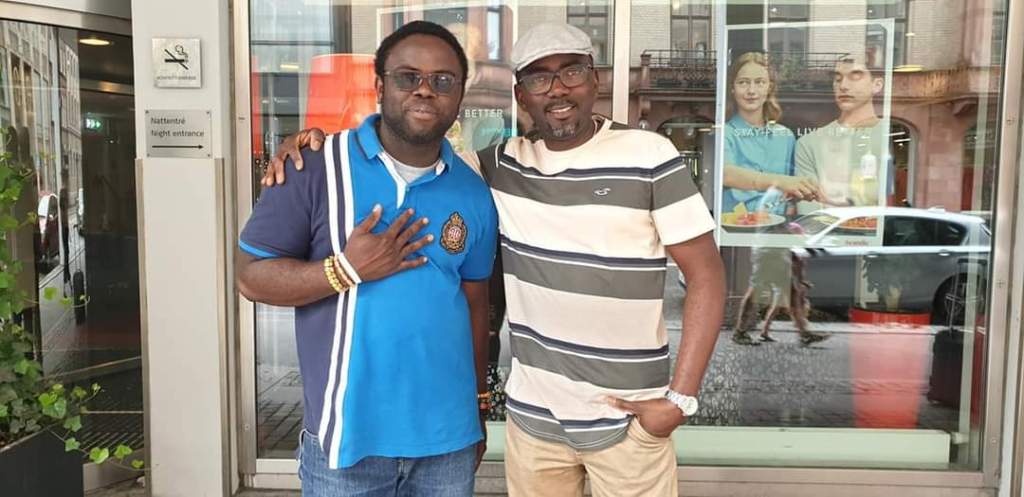
Malmö 2019

adeola.blog

ade

This essay is for you Onyebuchi Echigeme. May the city of Malmö remember you. May your son grow to be strong and worthy. Farewell my friend.

Rest in power bro!
aderounmu@gmail.com

Agitu Idea Gudeta. Rest in Power

Video credit DW

This should never have happened. I will be able to update if more information surrounding her death are revealed.

Rest in power dearest sister!

May the ancestors receive you with grace and favour.

Ingen kärlek förlorad

Respekt är en underbar egenskap men det är inte kärlek. Beundran är inte heller kärlek.

Vi behöver alla någon eller flera personer som älskar oss

Ingen kärlek förlorad

Av Adeola Aderounmu

Screenshot_20170923-115501.png

Lucy lever i Zambezi, fram tills nu i alla fall. Det är här hon tillbringat hela sitt liv. Hon föddes här och det var här hon blomstrade. Hon är en mycket vacker kvinna. När folk talade om henne sa de, att kanske är hon en gudinna.

Det fanns en konstnär i staden och han var övertygad om att gudarna tog sig tid att forma henne. Han sa att Lucy skapades till fulländning.

Ända sen hon var en liten flicka har det alltid funnits en beundran för hennes skönhet och hennes personlighet. Folk håller oftast med Lucy. Nästan alla hon mött i sin omgivning respekterade henne.

När hon lämnade sitt hem för City College i Mongu visste hon redan att respekt och beundran inte är ersättning för kärlek.

Vi behöver alla någon eller flera personer som älskar oss. Så när Lucy lämnade college började ensamheten i hennes liv yttra sig.

Alltjämt fortsatte hon att kämpa vidare, med den beundran och respekt som andra människor hade gentemot henne. När hon är ensam, frågar hon ofta sig själv ”vem ska tillfredsställa min själ”?

Respekt är en underbar egenskap men det är inte kärlek. Beundran är inte heller kärlek. Det var inte svårt att finna ett jobb när hon tog sin examen från Zambezi Universitet.

Hon var en lysande kvinna och med hennes typ av skönhet stod alla dörrar öppna. Men trots det, när det handlade om kärlek och att tillfredsställa sin själ verkade hon vilsen. Ingen visste om detta utom hon själv. Hon visste att hon inte var perfekt som konstnären antytt.

En dag väntade hon vid busstationen. Plötsligt skiftade himlen till molnigt och det började regna kraftigt. Inga bussar kom på grund av regnovädret. Lucy började gråta. Hon grät inte för att det regnade eller att ingen buss kom, hon grät för att ovädret liknade ett porträtt av hennes liv. Hennes liv var också molnigt. Hon var ensam på busstationen och det fick henne att gråta ännu mer. Det var inte första gången Lucy grät.

Hon hade läst många noveller och kände till våndorna hos många karaktärer i tragisk litteratur men även i en del romantiska böcker. En gång läste hon en bok där det fastställdes att personer som begått självmord ofta var de som vägrat gråta, eftersom de förnekar sina känslor och sin smärta.

När människor gråter känner de sig stärkta och det inger ofta hopp om att kunna fortsätta. Hon lärde sig gråta när hon var ledsen eftersom att tårarna sköljer bort sorgerna.

Lucy var så bortsvept i sina tankar att hon nästan inte la märke till bilen som parkerat precis framför henne vid stationen. Någon hade stannat för att hjälpa henne.

Mannen visste inte att Lucy gråtit. Han trodde det var regndroppar på hennes ansikte. Men han kände igen Lucy och därför stannade han för att hjälpa henne.

Tack Paul, du är snäll, sa hon. Det var ingenting, svarade han.

Paul tittade närmre på Lucy nu när han kunde se henne tydligt i bilen. Utanför hade regnet gjort det nästan omöjligt att se hennes ansikte.

Är du okej? frågade han. Lucy började gråta igen. Paul gav henne en näsduk och hon torkade sina tårar. Han var chockad. Fram till det ögonblicket var han en av dem som trott att Lucy kunde få allt hon önskade sig i livet.

De pratade en stund och även om Lucy inte talade om tomheten i sitt liv, visste han från den korta konversationen de haft att vakuumet i hennes liv var enormt. Paul tänkte nästan högt. Så en människa kan vara vacker, ha ett bra jobb, vara beundrad och respekterad men ändå vara ledsen.

Förvisso ignorerar många personer rollen av materiell skönhet och kläder för att täcka mörkret och tomheten inuti den mänskliga kroppen, tänkte han.

I Zambezi finns en man som inte kan avsluta sina uttryckssätt utan att använda ett ordspråk. Paul tänkte på denna mans många ordspråk, ödlor ligger alltid på sina magar, så vi inte vet vilken av dem som har magproblem.

Han gav Lucy en kram och deras vägar skildes åt.

Under månaderna som följde började Paul besöka Lucy.

De uppträdde som om de inte var attraherade av varandra. Paul var den stora skådespelaren här. Han tyckte att män bör dölja sina känslor eftersom han ansåg att det vara ett tecken på styrka. Lucy var mest glad att hitta ett sätt att gå vidare i sitt liv, i en positiv riktning. Paul hade visserligen redan en kvinna i sitt liv när de möttes. Hennes namn var Stella.  Men hur som helst mådde Lucy bättre i hans närvaro.

De talade om många saker, en del minnen från sin uppväxt och om att nu arbeta in den kommersiella staden, där den fjärde största floden i Afrika har sitt ursprung.

Lucy träffade också nya vänner genom Paul. Dessa afterwork och helgsällskap hjälpte Lucy att glömma en del av sina problem. Det fyllde vissa luckor i hennes liv. Flera av de personer som beundrade henne var inte längre på avstånd.

När hon mindes hur en oväntad regnskur främjat hennes möte med Paul, värnade hon om det ögonblicket. Hon bestämde sig för att köpa en bil, så hon inte skulle vara i behov av någons barmhärtighet en annan regnig dag. Hon kunde redan köra. Lucy blev lycklig. Hon kände att hon kommit ut ur sitt skal.

Det var definitivt ett steg i rätt riktning när andra personer inte längre bara beundrade henne, utan också visade henne kärlek genom att ha konversationer och göra saker tillsammans. En del personer hon talade med berättade om sina resor och äventyr.

Lucy blev inspirerad och bestämde att även hon skulle resa. Hon hade alltid haft möjligheter att resa men aldrig tagit dem. Nu när hon lyssnade på berättelser om Paris, Berlin, London och Stockholm blev hon motiverad. Hon lovade sig själv dock, att hon inte skulle resa långt. Hon hade lärt sig på geografin om Afrikas olika platser och säsonger.

Jag ska se min värld i Afrika innan jag ser resten av världen, sa hon till sig själv. Inombords bestämde hon sig också för att finna kärlek och att inte släppa taget.

Lucy blev en flitig resenär i sökandet efter balans och uppfyllelse. Zambezi var varmt och hon ville uppleva vintern i nedre Afrika. Hon spenderade många veckor i Harare och Johannesburg. Hon reste även till Accra på grund av guldet och täckte en gång sitt hår i Cairo. Med tiden hade hon ett flertal bilder, kartor och souvenirer från västra, östra, norra och södra Afrika hemma i sitt arbetsrum.

En dag kom hon hem till Zambezi och hittade ett meddelande från Paul i sin brevlåda. Hon kom just från Kapstaden där hon spenderat sin semester. Han ville träffa henne igen så Lucy och Paul möttes på caféet runt hörnet. Paul förklarade att hans långa förhållande med flickvännen tagit slut.

De kom inte överens som de önskat. De hade en del problem och hade kommit överens om endast en sak: att avsluta förhållandet.

Det var en sorgsam händelse men de kände båda två att det var bättre att göra det nu, än att försöka få det att fungera till varje pris.

De hade inga barn än. Han var 32 nu och hon 28 så de har fortfarande sina liv framför sig.

Vet du, saker är inte alltid som de tycks vara, började Paul konversationen. Han fortsatte, vi gör alla misstag och vår passion kan vilseleda oss.

Vad är det du försöker säga? avbröt Lucy honom.

Med en subtil röst fortsatte Paul, du vet, det finns ett uttryck som säger att vi alltid ser andra människors problem mer än vi ser våra egna, jag tror det är så sant.

Är inte det en av de mest anmärkningsvärda ironierna? La Lucy till. Fortfarande undrande vart denna konversation skulle leda.

Jag har låtsats att jag inte har några känslor för dig.

Men när Stella bröt upp med mig, eftersom hon märkt att jag varit frånvarande i hennes närvaro sen jag mötte dig, insåg jag hur viktigt det var att uttrycka mina känslor för dig. 

Lucys såg för en stund vilsekommen ut. Men hon lyckades samla ihop några tankar.

Jag är ledsen att höra detta Paul. Det är verkligen rörande och jag är djupt gripen av dina ord. Jag vet att vi har varit riktigt nära vänner.

Du har alltid talat väl om Stella men jag visste inte att du varit distraherad i hennes närhet.

Jag kommer ihåg att du berättat många saker som inspirerat mig. Du sa till mig att livet är för kort att leva utan kärlek.

Du sa också till mig att vi bör paddla våra kanoter tillräckligt hårt, så att vi fortfarande ror när stormen är över.

 Jag tog dina råd på stort allvar och jag vill tacka dig för det. Jag uppskattar dina känslor för mig.

Trots att jag hade en del känslor för dig i början, förstod jag att du var upptagen och mitt mål var att inte blanda mig i ert förhållande.

Lyssna Paul, Lucy lutade sig mot honom. Du vet vad vi båda sa om livets oförutsägbarhet.

När jag reste till Johannesburg i februari mötte jag Vincent. Jag tycker mycket om honom. Han dyrkar mig. Han respekterar mig men mest av allt älskar han mig och jag älskar honom också.

Vi tillbringade de senaste två veckorna tillsammans i Kapstaden och han planerar att hitta ett jobb i Harare så vi kan vara nära varandra. Vi planerar hitta arbete utomlands.

Paul blev illa till mods. Hans ansiktsuttryck blev sorgset.

Lucy drog snabbt inspiration from sitt eget liv. Hon kunde även använt inspiration från de åtskilliga böcker hon läst, när hon vände sig till Paul en sista gång.

Ge det lite tid, kanske hittar du någon ny. Ditt hjärta kommer läka och du kommer gå vidare med ditt liv, sa Lucy

Paul var inte en novis. Även han visste sedan tidigare att alla människor måste lära sig att ta sig igenom sina egna bekymmer, sina egna lidanden. De måste lära sig att övervinna sina rädslor. Det kan behövas tid och lite hjälp men de måste lära sig.  

Det bästa sättet att lära var genom verkliga upplevelser.

Farväl Paul, jag måste gå nu. Ta hand om dig själv och vi ses någon gång.

Paul var nära till tårar men Lucy visade inga känslor överhuvudtaget. Hon gav honom en kram och gick.

(Från Boken, The Madrilenian av Adeola Aderounmu)

aderounmu@gmail.com

Translated by Louise Holmberg

The Things We Took For Granted (Part 2)

Let’s love one another in Africa and appreciate the things and people around us always. Maybe if we start with our friends and families, one day the love may go round the world and our lives will be happy and free.

The Things We Took For Granted (Part 2)

By Adeola Aderounmu

Often we forget to show how much we care for our families and friends. Sometimes it is very difficult to express in words or actions how much our friends and families mean to us.

Me and A friend-Onero and his wife

Me and A friend-Onero and his wife

Absence makes the mind to grow fonder. This is so true that we (then) begin to appreciate friends and families when they are separated from us.

Sometimes the separation is irreparable or permanent because death came calling unexpectedly. This can result to extreme sadness or even depression.

Sometimes during this summer I saw my eldest brother again. He came to visit me in Sweden. The last time we saw each other before this visit was also in Stockholm in the spring of 2005. Though l have travelled to Nigeria two times after that we did not meet.

No one will believe that l have never travelled to Abuja or anywhere in the North of Nigeria. It does not even look like it will happen soon. I am that small boy from Western Nigeria.

As l was driving to the airport to pick up my brother l was moved to tears. Suddenly it struck me that a lot has happened since the last time we met. There have been a lot of good things. However since we are getting older we have had our own share of family tragedies which as a matter of principle l never share on the social media. But l made an obituary for my mother in the village square.

Distance apart means that we have not been able to share our emotions regarding these tragedies. Though my eyes were swollen, I could not shut them tight long enough to enable the free flow of tears. I needed to keep my focus behind the wheels.

But in private, I’d wept many times. It’s human nature. In some of my stories I’d written that the men who commit suicide are those who refused to cry. They sealed their emotions and punish their souls giving them up to untimely death.

When people cry on behalves of those who commit suicide, they (the mourners) find the strength to move on because their tears become sacrifices to the gods.

For about 30 minutes which was approximately how long it took to drive to the airport l also reminisced on many of the good times we had together especially in Festac Town where we grew up.

Sometimes l don’t know where to place my memories about Lagos Mainland. Are they real or are they mere fantasies? Why do I always think that my version of the aftermath of the assassination of Murtala Mohammed in February 1976 was the correct version? Why does all the pandemonium in Surulere play back and forth in my head as if they happened yesterday?

At home, when we were boys, I remember the fights and the unnecessary contests for power and supremacy. You cannot avoid these things if you have many boys growing up together in a flat or in a house. I don’t want to remember my violent tendencies because sometimes the repercussions were terrible.

I always remember the football days so much that l wrote the article The Boys From Festac. A follow up to that article is necessary. If someone had told me that l can live without playing football on Saturday mornings and Sunday evenings, l would have responded: don’t go there!

Sometimes l don’t worry to tell people who never saw me play football how good l was because they won’t understand and it is of no use now.

Sometimes too l remember how some people find it difficult to believe my brilliance at school because of my small size and extremely playful attitude. I still wonder too!

If you live your adult life very far away from the closest people you grew up with, the tendency is that when you look back, you’d wish you could turn back the hands of clock.

There are so many things you wish you could do again. There are so many people you long for but whom you took for granted when they were at arm’s length to you. What about the things you took for granted too?

Life will continue to go on and nothing will last, not forever anyway. Life itself will remain transient and temporal.

Recently l heard a story from one of our elders here in Stockholm. Obviously it is one of those stories you heard whilst growing up in Nigeria. But when you are reminded of such a story after a long time, it helps. Mr. Salimonu Kadiri, a respected elder in Sweden spoke about the argument between death and money. It was a case that was taken to the king.

Money argued that nothing can be done without him and death reminded the king that he (death) would have the last say on everyone including the king.

This folklore from Yorubaland has a lot of implications.

People should think about their pursuits of wealth and the opportunity costs.

Perhaps if we sit back a bit and reflect on life holistically….just maybe…we will live our lives differently, spread some love and warmth everyday. Who knows? We may end up living closer to our families and spend more time with the people we love.

We definitely need to appreciate more the people around us including our friends and our families.  If we do, our regrets and disappointments will be minimal if we eventually are (unavoidably) separated from one another temporarily or permanently.

The other day l came home from Finland and made an unscheduled visit to a friend in another part of Sweden the same day. It was 467 km away. I left home late and arrived at his front door at about 10pm. His reaction was priceless. Shock will be an understatement when he opened his door to welcome me and my family. We even ate dinner before we left!

In Nigeria this would have been a normal thing. But in Sweden it is almost a taboo to visit someone without notifying them. It’s rare. On top of that we arrived at night like thieves. I don’t why people look too far and find it difficult to connect the individualistic traits of the western world with the high rate of depression.

When we grew up in Nigeria our lives were mainly communal in nature. We meet people everyday. We share with people everyday and we celebrate everyday. We took these things for granted because we thought we will always have them.

Since we do not have the same powers as the gods, we did not see the future. We were taught the 20 children cannot play together for 20 years. It wasn’t made so clear that the 20 children will have extreme difficulties to re-unite or re-group again once they have said goodbyes.

I see the struggle to re-unite or re-group in alumni or old students’ associations. It’s like a mission impossible though manageable from one event to another when different people show up.

I see the struggle to re-unite with friends. We have all received our fair shares of desperate mails from people on the social media asking if we are the right persons.

Even l have seen the struggle to re-unite families.

We struggle now because we took people and things for granted when we had them right in front of our faces. Some of our struggles are psychological because we are torn between two or three countries and wonder if we will ever make it back to settle in Nigeria. We miss home and the warmth of our friends and families especially.

It is now golden for us in the western world to meet our friends, families and even the people we knew first in this part of the world. Unfortunately, here, most friendships don’t last because individualism and western world syndrome gradually eat into our souls. We are in trouble. Where are our real friends? Where are our true families?

When Mr. Kadiri spoke, it was at a memorial for a man whom many people spoke well of. I’m not sure he heard so much of these good things from his friends and families when he was alive. The people who knew him or who were close to him may have taken things for granted.

How wonderful life would be if people start to say all these positive things to one another whilst they still can!

How can one preach that people should just shun bitterness and hatred towards one another?

I know. It is like a mirage to hope that the human race should place love and care above hatred and war.

Let’s love one another in Africa and appreciate the things and people around us always. Maybe if we start with our friends and families, one day the love may go round the world and our lives will be happy and free.

aderounmu@gmail.com