The Things We Took For Granted (Part 1)

When l was growing up in Nigeria l had no idea that one day I will be living in another country and eating meat and chicken that are produced in factories. I miss my poultry in Nigeria..!

The Things We Took For Granted (Part 1)

By Adeola Aderounmu
IMG_2269

As Africans we need to start appreciating the things we have in Africa especially nature’s endowment.  We also need to preserve our culture, our heritage and the true versions of our stories and pass them intact from one generation to the next.

There are so many things we took for granted in Africa. We still take them for granted on the home soil.

When l was a little boy in Nigeria, l had not doubt in my mind that all the food including fruits and vegetables were coming from nature and in natural ways. It is possible to write a book then about Feeding Without Fears in Nigeria.

I remember my involvements and experiences in farming as a school boy. We planted crops as part of practical Agricultural Science. We even tilled the soil and prepare them for cultivation. Groundnut was my favourite. There was no need to cultivate water leaf (spinach); it was growing everywhere-along the roadside, among the bushes and just about anywhere there is soil and moisture.

I remember the poultry l kept at the backyard. My love for the hens and cocks was for them to grow up and end up in my pot of soup on that famous kerosene stove. Some of these adventures must have helped in forming me. I have patience to see things through. I know how sweet the reward is for genuine labour.

In Nigeria we have everything that nature could provide for life in the tropical region. There is rainfall, and there is adequate sunshine. There is a clear demarcation for day and night.

We have all kinds of trees. We have mango trees, the coconut trees, the orange trees, the cocoa plant trees. We have the sugarcane plantations. We have cashew crops and so on.

Irrespective of where these crops are found, one didn’t have to worry about consuming them. It was unthinkable that certain chemicals inimical to human health were consumed with them. We were children, we felt safe.

The good stories about growing up in Nigeria are varied and marvellous.

Now in Europe and other parts of the advance world, it is very disturbing to note how unnatural the foods we eat are. It is extremely disturbing to walk into the stores and find all kinds of labels on the food items.

What is biological mango? What is ecological mango? What is fair trade banana? What is ordinary banana? What is ecological carrot?

Reading food labels and tags on fruits and vegetables is a way of life that emanated from outside Africa. It may be the beginning of fear or wisdom depending on your views about food and nutrition. In whichever case, it is not a pleasant trauma.

As a child, when l bought oranges at Agboju market or when l jumped and plucked Mama Tunji’s mango and ran away to eat it while hiding, l have no idea that one day l will be settling down to first read the labels before buying or eating fruits.

One day a friend who thought that she has found a new knowledge tried to explain to me the difference between ecological and biological fruits and vegetables. What an effort to make..!

In this part of the world we are in some deep troubles because people eat all kinds of things that they don’t even know where they are coming from. How can anyone trust the labels on fruits and vegetables in these days when people are fed pork and horse meat as beef? When meat and fruits are made by artificial methods, how can expiry dates be valid?

When l was growing up in Nigeria l had no idea that one day I will be living in another country and eating meat and chicken that are produced in factories. I miss my poultry! Where are all these fake and giant bananas coming from?

There is trouble here; we eat synthetic materials as food.

Some oranges are bigger than the human head. Some bananas are bigger than the African plantain. We are in trouble.
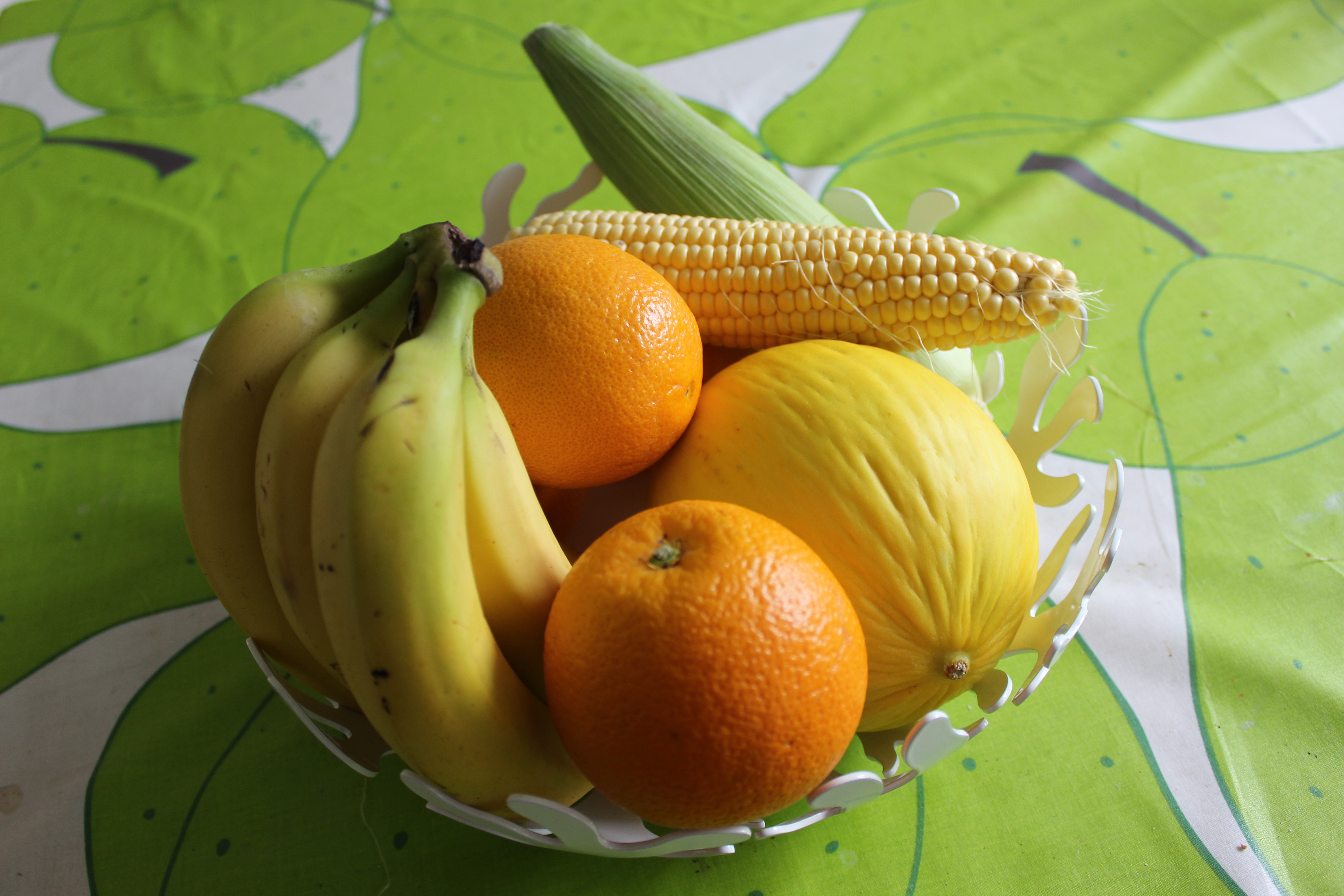
Fruits with labels? How Healthy are tey?

Fruits with labels? How Healthy are they?

For Africans, it is sad that many of these fake products and synthetic food items have crept into the continent.

In Nigeria l remember the influx of fake chicken and turkey into the Nigerian market. This year 2015 the Nigerian custom continues to fight the smuggling of the fake poultry products from neighbouring countries into Nigeria.

In Nigerian traffic especially in Lagos, everything is sold. The shiny green apples look purely synthesized. Sometimes you’ll think they have been taken for polishing at the shoemaker’s stall.

Nigeria has since become a consuming society and a dumping ground for all kinds of fake food products and dangerous medicines. The failure of governance and the systemic collapse of institutions in Nigeria left much to be desired.

There is no shame greater than the importation of food and crops that can be produced in Nigeria. It was totally senseless to relegate agriculture as the leading foreign income earner for regionally governed Nigeria.

The rulers of Nigeria are weak intellectually. They even import petroleum products! Their dumbness is exposed in their primitive accumulation while sacrificing the present and the future at the same time, all for nothing.

In Nigeria we took for granted all the free gifts of nature. Nigeria is a rich country in all ways and by all ways. Mr. Buhari can continue to misfire-calling Nigeria a poor country-because of his low intellectual capacity and inability to reason out the meaning of rich or blessed with.

The Nigerian climate is perfect for agricultural practises. The countries that have long winter season would probably stop synthesizing food items if they have such optimal climate.

I will not forget that eating fruits while growing up in Nigeria was devoid of looking for tags and labels. There was no doubt about the safety of the crops that my grandfather nurtured on his farmland in Igbogila. I had no doubt buying roasted plantain-boli at the roadside or oranges from the hawkers.

We ate healthy and unless we expose our skin to malaria parasites we hardly become ill. In comparison the reports of catching ordinary cold all year round in the advanced countries is amazingly high.

The present and upcoming generations of Nigerians must be told the true stories. There was trust in Nigeria in the past and there was dignity in labour. Sadly when things fell apart politically, everything else fell apart. The proportions of failure in Nigeria since 1966 especially are unimaginable. It is a sad story.

For Nigeria food production that will completely eliminate reliance on import and adulteration is still very possible. The potentials are still there and though the climate may have change, it is not significant enough to disrupt full blown back to the golden days of Nigeria.

The blueprints that allowed Nigeria to flourish under regional government up till the early 70s need to be reintroduced. It is getting clearer that the APC mandate is a fluke as Nigerian politicians remain hell bent on looting and destroying Nigeria because of the nonsensical unitary system that gives power to one man as if he is a dictator even under a democratic system.

How did the Old Western Region succeed with the regional farm settlement schemes alongside a world class education system? What made the groundnut pyramid in Northern Nigeria so high? Why was the East home to cassava, yam and other cash crops? The answers to these questions that will return Nigeria to her rightful position in cocoa export, oil-palm production, yam and groundnut export are political!

How we let go of healthy living in Nigeria is related to the collapse of the Agricultural sector and it happened due to bad governments. Living in places where natural food are now produced by synthetic methods or gene modification makes one to appreciate the continent of Africa that is blessed by Mother Nature.

In my part of Africa, the tropical zone of Sub-Saharan, nature smiled on us and provided optimally for our living. When we are ready, Mother Nature will still be waiting.

A deep-rooted and sincere reorientation of the citizens will be necessary to rid Nigerians of their affinity for food and things that are foreign. Those who indulge in illegal importation of food stuffs should spend long years behind bars. They are a risk to people’s health and also economic saboteurs for local/indigenous farmers.

The health of the citizenry is the wealth of the nation.

Repeatedly, a functional political method is an integral part of the solutions to all of the problems in Nigeria. This is where the burden falls back on the citizens. They have a collective right to fight the politicians and take back their functional regions and bring back the days before the civil war when there was abundance and prosperity.

It will be a long road to freedom.

aderounmu@gmail.com

The American Dream vs The European Dream

Images and Text Culled From Time Magazine Photos Of 2014

Is this The American Dream?

A man backs away as law enforcement officials close in on him and eventually detain him during protests over the death of Michael Brown, an unarmed black teenager killed by a police officer, in Ferguson, Mo., Aug. 11, 2014. The Federal Bureau of Investigation said on Monday that it had opened an inquiry into the weekend shooting of Brown. (Whitney Curtis/The New York Times)

A man backs away as law enforcement officials close in on him and eventually detain him during protests over the death of Michael Brown, an unarmed black teenager killed by a police officer, in Ferguson, Mo., Aug. 11, 2014. The Federal Bureau of Investigation said on Monday that it had opened an inquiry into the weekend shooting of Brown. (Whitney Curtis/The New York Times)

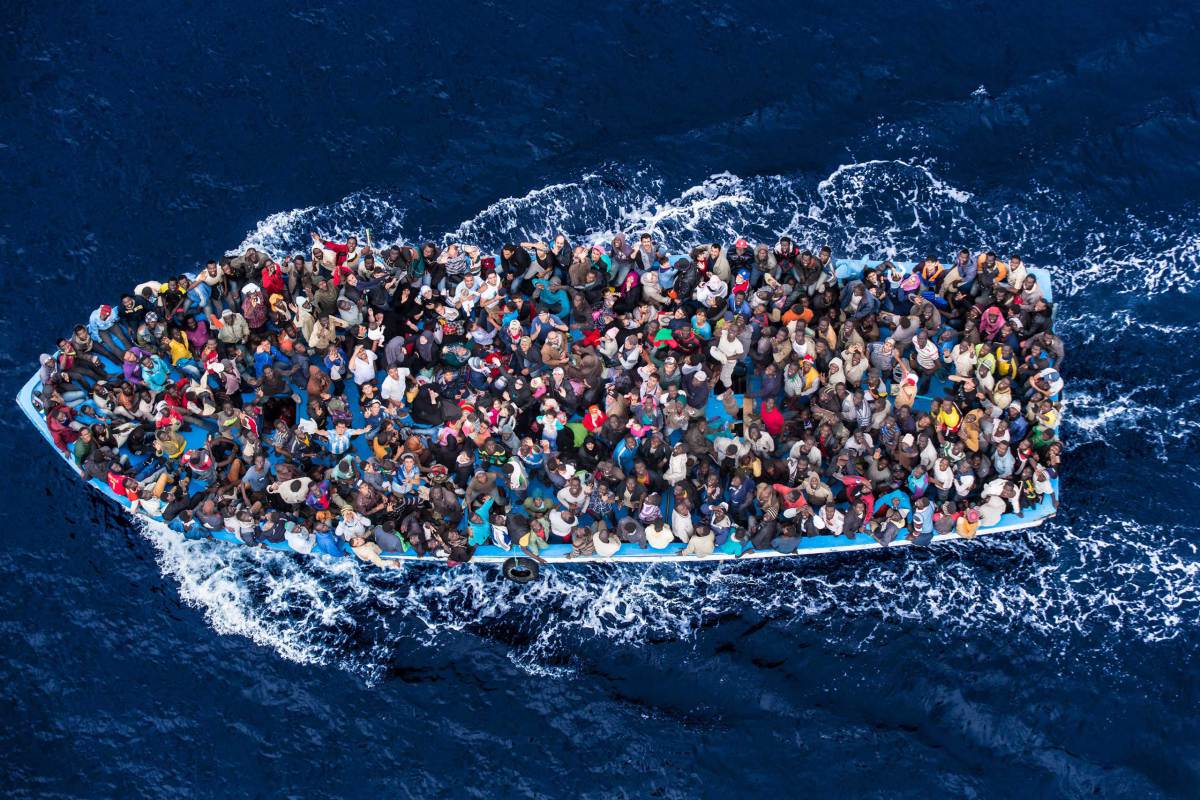
Is This The European Dream?

June 7, 2014 - Mediterranean Sea / Italy: Italian navy rescues asylum seekers traveling by boat off the coast of Africa. More than 2,000 migrants jammed in 25 boats arrived in Italy June 12, ending an international operation to rescue asylum seekers traveling from Libya. They were taken to three Italian ports and likely to be transferred to refugee centers inland. Hundreds of women and dozens of babies, were rescued by the frigate FREMM Bergamini as part of the Italian navy's "Mare Nostrum" operation, launched last year after two boats sank and more than 400 drowned. Favorable weather is encouraging thousands of migrants from Syria, Eritrea and other sub-Saharan countries to arrive on the Italian coast in the coming days. Cost of passage is in the 2,500 Euros range for Africans and 3,500 for Middle Easterners, per person. Over 50,000 migrants have landed Italy in 2014. Many thousands are in Libya waiting to make the crossing. (Massimo Sestini/Polaris)

June 7, 2014 – Mediterranean Sea / Italy: Italian navy rescues asylum seekers traveling by boat off the coast of Africa. More than 2,000 migrants jammed in 25 boats arrived in Italy June 12, ending an international operation to rescue asylum seekers traveling from Libya. They were taken to three Italian ports and likely to be transferred to refugee centers inland. Hundreds of women and dozens of babies, were rescued by the frigate FREMM Bergamini as part of the Italian navy’s “Mare Nostrum” operation, launched last year after two boats sank and more than 400 drowned. Favorable weather is encouraging thousands of migrants from Syria, Eritrea and other sub-Saharan countries to arrive on the Italian coast in the coming days. Cost of passage is in the 2,500 Euros range for Africans and 3,500 for Middle Easterners, per person. Over 50,000 migrants have landed Italy in 2014. Many thousands are in Libya waiting to make the crossing. (Massimo Sestini/Polaris)

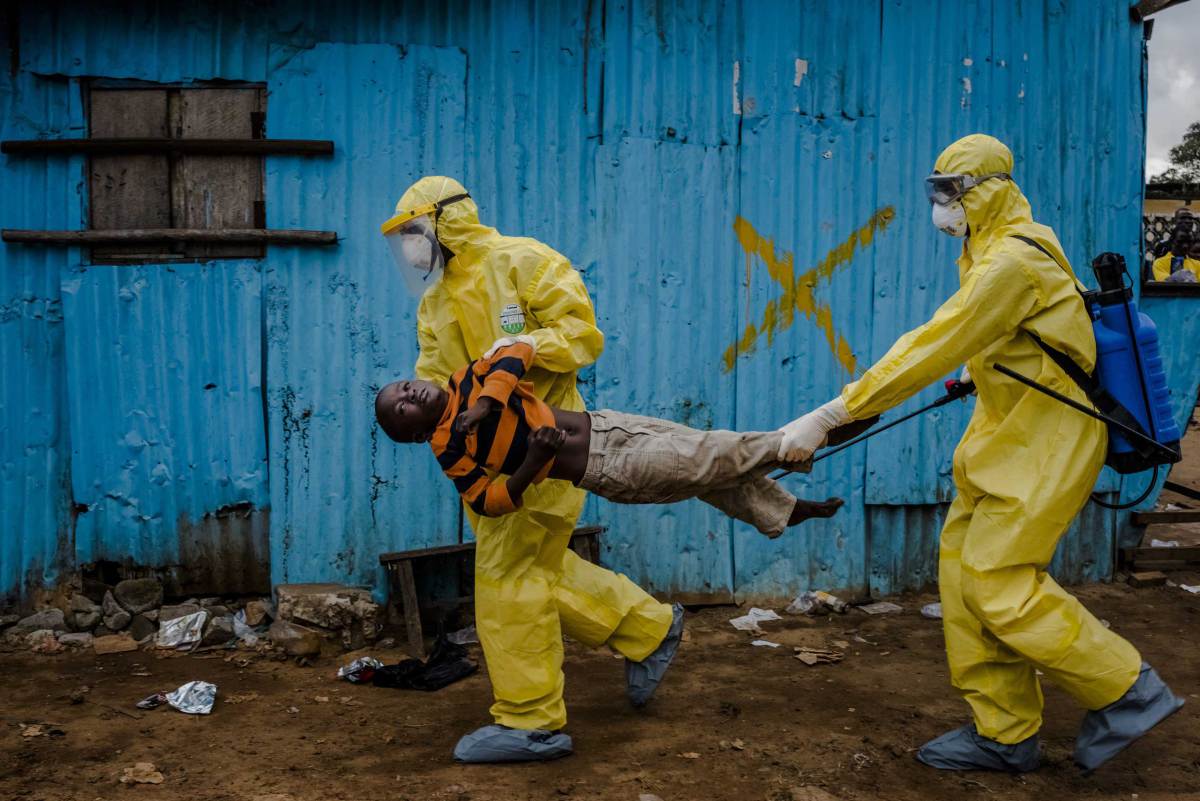
And How Do We Protect Ourselves In Africa?

Medical staff carry James Dorbor, 8, suspected of having Ebola, into a treatment facility in Monrovia, Liberia, Sept. 5, 2014.  Ebola ó the reality and the hysteria over it ó  is having a serious economic impact on Guinea, Liberia and Sierra Leone, three nations already at the bottom of global economic and social indicators. (Daniel Berehulak/The New York Times)

Medical staff carry James Dorbor, 8, suspected of having Ebola, into a treatment facility in Monrovia, Liberia, Sept. 5, 2014. Ebola ó the reality and the hysteria over it ó is having a serious economic impact on Guinea, Liberia and Sierra Leone, three nations already at the bottom of global economic and social indicators. (Daniel Berehulak/The New York Times)

More Images and Stories here:

http://time.com/3572139/time-top-10-photos-2014/

13 Years A Prisoner

I cannot actually overemphasize that the case of Isaak Dawit is an embarrassment to the human race. Isaias Afewerki cannot be above all of humanity unless we have all gone crazy.

13 Years A Prisoner

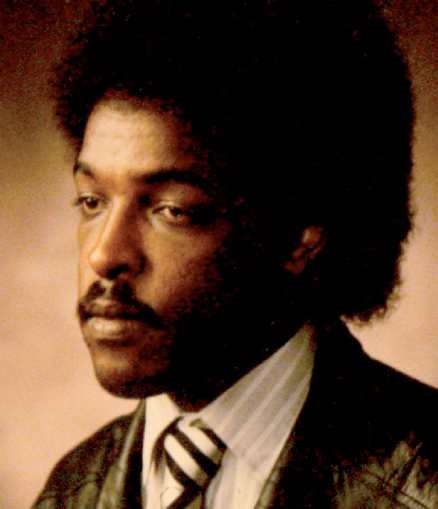
Isaak Dawit

Isaak Dawit

By Adeola Aderounmu

Isaak Dawit has been in jail in Eritrea since September 23 2001. He was born in the same country on the 27th of October 1964. He is now 50 years old, with one-fourth of his life spent in jail.

Isaak Dawit fled the war in Eritrea in 1987 and lived in Sweden. He became a Swedish citizen in 1992 but he also held on to his Eritrean citizenship.

When Eritrea became independent Isaak Dawit returned to Eritrea to work as a journalist.

He may have written stories or articles that the dictator Isaias Afewerki found threatening to his one-party state. He may have associated with groups seeking to ensure that the rights of the people are respected and sustained in a new emerging country.

But he was on the other side of the court as Mr. Afewerki, so he was arrested and imprisoned.

Isaak Dawit has not been brought to a court of law. No charges have been brought against him. It is not on any record that Isaak has been sentenced to life imprisonment.

Why is he sitting in prison for more than 13 years?

The worst tragedies in the world are not only hideous; they have also proven to be mostly unspoken of.

How can the rest of humanity look away when a man is locked up for 13 years? Have we no compassion for his family and children?

Since independence in 1993, Eritrea has been held in captive and extreme bondage by one man, a dictator called Isaias Afewerki.

In plain terms Mr. Isaias Afewerki told the world to go to “hell”, that he would do whatever he likes with Isaak. The question is, in the absence of a proof of life, “what has he actually done with Isaak Dawit?

Few years ago, Isaak went missing from his cell prompting fears about his whereabouts and an unconfirmed story that he was dead.

Many of the people arrested alongside with Isaak Dawit are dead or have been killed. The fears are genuine but lack of official comment keeps the hope of Dawit’s existence burning till today.

One of Isak’s daughters Ms. Bethlehem spoke recently and expresses optimism that her father is alive. It is this optimism and hope that should be given impetus now.

The Swedish government adopted the so-called silent diplomacy in the case of Isaak Dawit and it has been a total catastrophe so far. It remains futile.

Individuals, groups and organizations have demonstrated and lent their voices to the campaign to free Isaak. All have proven to be ineffective.

What has been done outside of Eritrea is probably not reaching Eritreans at home in terms of awareness.

Sadly too the chant to free Isaak Dawit will not be echoed in Eritrea.

The country is locked down by one man. Eritrea is closed to the rest of the world because there are no independent news media in the country.

Eritreans are not free. They need help!

While I do not support interference with the sovereignty of any nation, the case of Isaak Dawit brings me to a point of compromise. The utterances of Isaias Afewerki even on Swedish television left no one in doubt that there is a lunatic in power in Eritrea.

The campaign for the freedom of Isaak Dawit must take up a new dimension outside of Eritrea. The pressure should then be taken inside to free the people of Eritrea.

Every country deserves independent press and the people deserve freedom of speech and association.

The table needs to be turn around. The campaign slogans should move from free Dawit to:

Free Eritreans

Arrest And Prosecute Isaias Afewerki Now

Eritreans abroad must come together on this one. This is their fight.

They need to bring the rest of the world to the awareness of the sufferings and demeaning of their lives within and outside the boundary of Eritrea by Isaias Afewerki.

There should be no limit to the amount of pressure that should be applied on this wicked and heartless dictator.

After putting away a journalist for 13 years without trial, the world should NEVER let Isaias Afewerki have a moment of rest. This much Eritreans owe Isaak Dawit.

Isaias Afewerki holds all of Eritrea in bondage in a one-party state. He has no regards for the people of Eritrea.

Who does he think he is?

If he has killed Isaak Dawit, the people should rise and sack him by force. They also need to demand his arrest and prosecution.

If Isaak Dawit is alive, he should be released without further delay.

Isaias Afewerki cannot be above all of humanity unless we have all gone crazy.

What is the priority of the Swedish government in foreign diplomacy?

What is wrong with Sweden?

Only foolish people repeat stupid history. Raoul Wallenberg never returned to Sweden, he was never found. Now it is Isaak Dawit. Does this story line sound too familiar?

If finding Isaak Dawit means bringing down the Eritrean dictatorship so be it.

Isaak’s mother died in 2010 asking the question: why did they take my son away from me?

His children are grown, still growing, denied of the company of their loving father because of one stupid dictator in the horn of Africa.

In the end this is a shame not only to Sweden, but also to Europe and the world as a whole. We all stood by and watch like spectators and let one lunatic send another man to jail for 13 years without trial.

I cannot actually overemphasize that the case of Isaak Dawit is an embarrassment to the human race.

With all our claim of civility, social justice and freedom, we let one man (and definitely many other men and women) rot in prison for several years without trials and we look the other way.

aderounmu@gmail.com

The Madrilenean

“I will go to a place where nobody knows my name, a place where the language is different”

The Madrilenean

By Adeola Aderounmu

Adeola Aderounmu

Adeola Aderounmu

Pablo grew up in Girona. This town has about 100 000 people. His childhood went too quickly or maybe not. It depends on which perspective he chose. When he thought about the years he had to endure with his sisters, then it was a long, uneventful childhood.

On the other hand when he thought about what could have happened if he could turn back the time, then it was a period that went rather quickly. As a result of his feelings during his teenage and college days, he forgone many things that many other children his age did.

There are many things that Pablo will like to forget. There are so many things he hoped will be left in his thoughtless moments.

But what happened to Pablo actually that almost destroyed his life especially his relationship with his family. Here is the story.

Pablo has 3 sisters. He is the only son of his parents. At a very early age, he started to pull away from everyone in his household. He felt totally different. When his parents noticed his strange withdrawal, they tried to pamper him. Pablo’s withdrawal became more intense and his parents regretted that they did not consult a professional. Where did we go wrong? His mother pondered.

One day his father decided to take a long walk. He thought deeply about his family situation-how his daughters are having the best days of their lives and how his only son is turning to a complete stranger. He slipped at the edge of the pavement and broke a toe. He is a man who believes in omen. His favourite is the spirit of the puma.

Once he had a twisted ankle when he was taking a walk in the woods and thinking about Pablo. When he got a broken toe walking on the other side of the town, he decided that he will never worry about Pablo again. He thought he may develop a serious health problem like stroke if he worries more about Pablo. A twisted ankle and then a broken toe will do. The spirit of the puma will guide Pablo, he reasoned.

It didn’t matter what anyone did, Pablo did not feel that he was loved. At home the conclusion was that Pablo was acting the last child or the last born. One day Aleksandra the eldest sister told a joke and said, mamma, maybe you should have let pappa make the 5th baby. Maybe Pablo wanted a brother to play with. He doesn’t like us because we are girls.

Pablo was 10 years at the time and the joke turned out to be a bad one. He locked himself in the room and skipped school for 3 days. He came out only when everyone had left home and helped himself to some juice and biscuits. His mother cried. She was completely devastated how bad things turned out socially for Pablo.

Pablo had always thought that his sisters are getting all the attention at home. No one is sure exactly when he got that perception but it must have registered in his brain quite early. His mother even said, maybe he heard too many voices when he was a foetus and got fed up with everyone even before he was born.

On the surface everyone at home knew that Pablo’s feelings or perceptions were incorrect. But deep inside they don’t know what approach would make him cherish and love them the way they love him. So the most difficult task at home and sometimes at school and at the playgrounds was how to correct the impressions and help Pablo get along socially. He was growing up and his family feared that he may become a social misfit. This trait is uncommon in Catalonia.

What was obvious was that Pablo did not know how to feel as a boy because everywhere he looked in the house, he saw girls and things that belonged to girls. This made him uncomfortable and sad and he thought he was different from the other boys in his class. His heart continued to grow cold as he grew up.

Pablo hated school. It is a place that brought him in contact with many other categories of people. However he learnt to dissociate his social deficiency from his academic needs. Therefore he excelled even as a withdrawn student. This was one of the reasons his parents did not seek professional help for him. His future looks bright, his mother said to his father one day when they looked at some of his results after a quarterly conference with the school teachers.

When he was 18 Pablo started to work at the postal agency. He saved a lot of money because this is a work he had no need for. His father is wealthy and even his mother inherited a lot of fortunes from her grandparents. His parents understood that Pablo took the job so he could skip encountering his sisters at home. It was one of his weird ideas of what freedom means.

By the time Pablo became a graduate at the age of 23, there was only one of his sisters left unmarried. With only Cecilia at home, Pablo was beginning to see the world from another perspective. But he had a hard time to express his feelings. He never liked his sisters yet he’s feeling the vacuum created when Aleksandra and Viveca left home forever.

When he was a young boy he promised never to love anyone because he doesn’t know what it means. I will never know what it means to love, he told himself. He hated his childhood. He does not like to remember it. He felt lonely, quite often. These women have ruined my life, so he thought. He cannot remember when he started hearing their voices but it appeared like forever until now that Cecil is the only one left.

Despite all his troubles Pablo turned out to be one of the outstanding engineers in Girona. People have noticed that he likes to be alone but they have also come to appreciate his effectiveness and productivity at work. This was also an outstanding observation his former boss made when he worked at the postal agency.

Pablo found the courage and will to rent his own apartment. When he was 25 and Cecil was preparing to get married, Pablo decided it was time for him to move on. That’s what he did.

One day Pablo was tired after work. It was his third year at the factory and he had accumulated his annual leave. So he decided he will travel to another city in another country. He made up his mind to travel to a place he had never been before.

I will go to a place where nobody knows my name, a place where the language is different. So he left. He travelled by road to Barcelona and flew from there to St. Petersburg.

One day he stood at the central station at St. Petersburg. He was looking at the map, trying to find his way around.

But the map he was looking at was inside a frame made of glass. So it also looked like a mirror. He saw himself as he looked at the map for directions.

Suddenly he saw the image of a woman too. There was a pretty woman looking at the same map. She stood behind him.

(Read Part 2 Next Week)

aderounmu@gmail.com

Postcards From Legoland, Denmark

LEGOLAND, Denmark

LEGOLAND, Denmark

By Adeola Aderounmu

Happiness is one of the most important things in life.

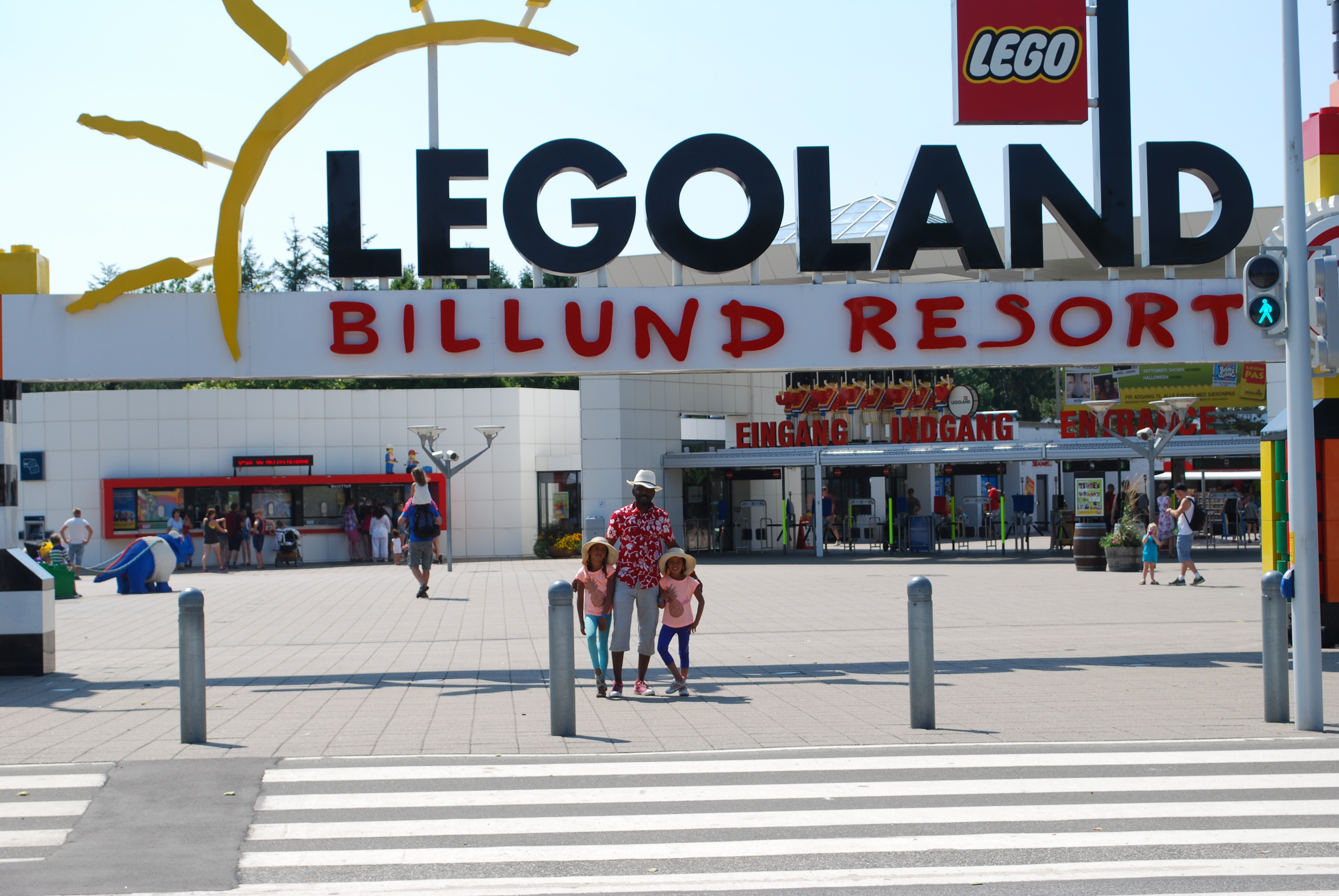
When I set out on this holiday trip with my family, I knew my next article would be written in Denmark and I would like to find some inspirations, taking the time off my holiday mood and punching my keyboards. I write from Lanladia-Legoland.

DSC_0999

Lanladia is a small settlement in Billund which is about 265 km from Copenhagen. We took a long road trip all the way from Stockholm. That was the plan.

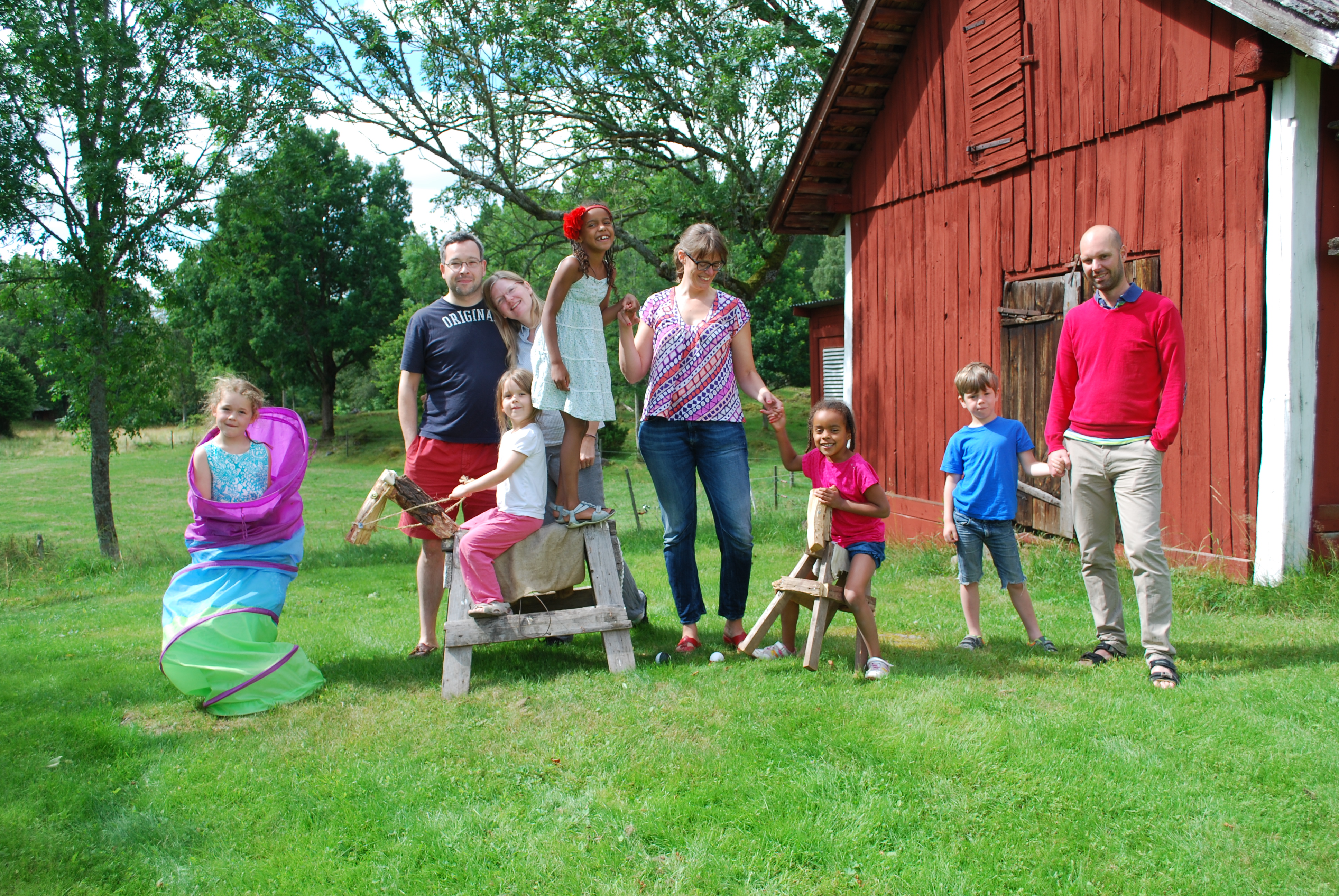
Before we left Sweden we made quite a number of stops on our way. We spent the first night at a small town called Vetlanda in Småland, in the heart of Sweden. Actually we visited a friend of my wife and her family and spent the night at their country home. It’s situated on a farm area. The children had fun with the kittens and the cows on the farm.

Vetlnda Farm House

Vetlnda Farm House

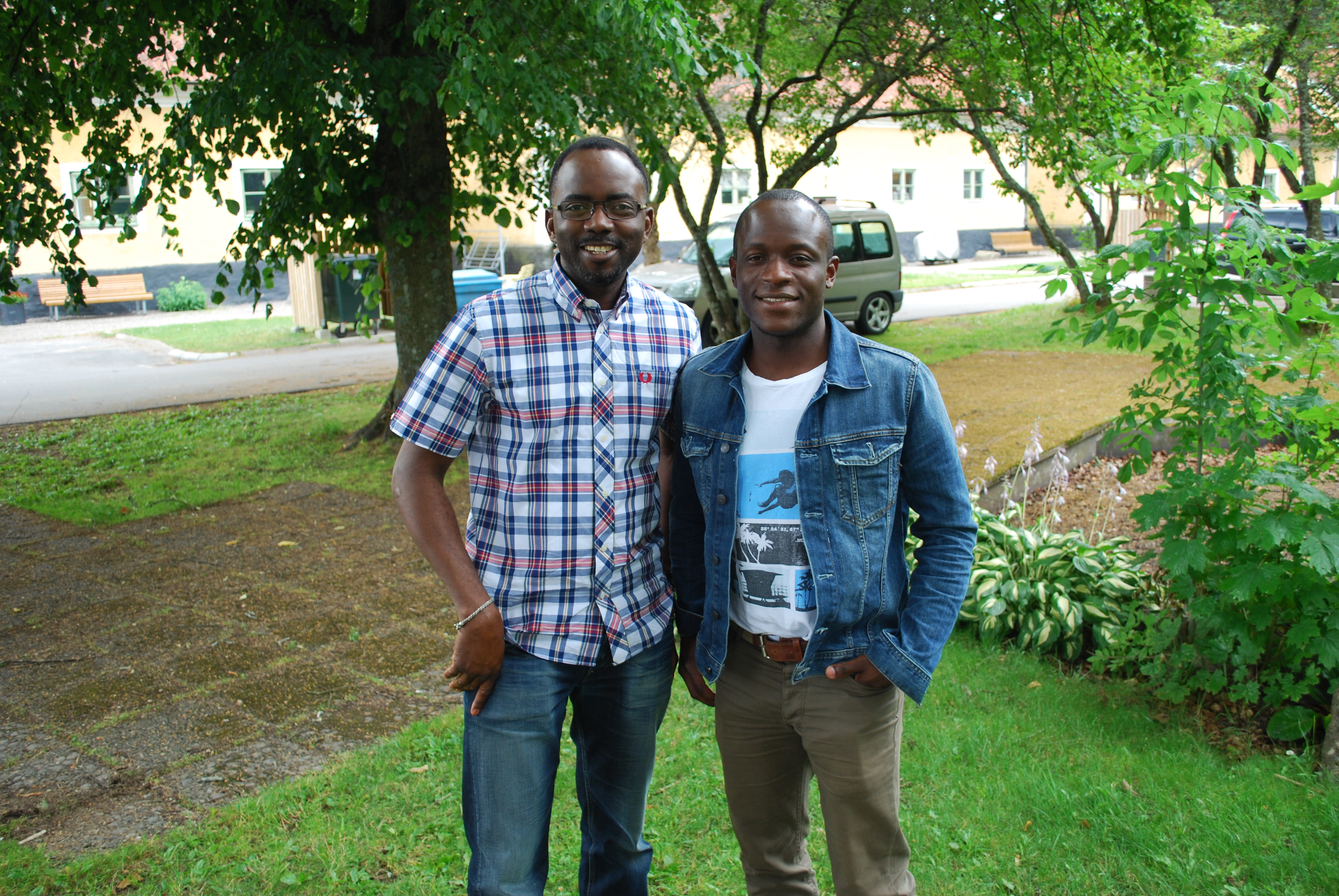
We also saw a friend of mine Olutayo Adegoke before we arrived at the farm house. It was an impromptu stopover but he was glad to take a short break from his work as we had lunch in a park near his office just outside Nörrköping. It was almost incredible when Tayo told me he would be travelling to Nigeria that night. What a stop we made!

Adeola Aderounmu and Tayo Adegoke

Adeola Aderounmu and Tayo Adegoke

The next day our first stop was Avesta, also a small town in the South of Sweden. There lives Kelechi Udeh, a youg man I knew from Festac Town. We had lunch again in the open and near a car park at the center of the small town. We mingled with Kelechi for about 45 minutes and off we drove. He told me he is very happy to be settled in Avesta and I was marvelled how a Festac Town found happiness in a small town. Variety will remain the spice of life. It will always be in order to bloom where one has been planted.

With Kelechi Udeh in Avesta

With Kelechi Udeh in Avesta

We reached Malmö in the early evening. Tolu Taylor agreed to host us for dinner. We were not going to say no. Tolu, a big brother, was my senior at Festac Grammar School. Adeolu Sunmola who was my junior and my student at the same school joined us. Onyebuchi Echigeme completed the mini reuniuon of the Festac Boys in Malmö when he later joined us for dinner at Tolu’s house. Indeed, Festac Town and the people from Festac are always close to my heart.

With Tolu Taylor and Adeola Sunmola in Malmö City

With Tolu Taylor and Adeolu Sunmola in Malmö City

We spent the night in Malmö and drove off to Denmark the next morning. We left home in Sweden on Tuesday morning and arrived Legoland in Denmark on Thursday shortly after lunch. We have driven close to 1000 km without encountering a single pot hole. I called European (E) roads paradise roads.

with Onyebuchi Echigeme

with Onyebuchi Echigeme

When this essay goes to publication we will probably be on a homeward journey. If our plans work fine, we will make surprise stops at Gothenburg and Örebro to vist more of my friends and incredibly it’s all about the Festac Town connections. They were built connections built from 1977 to 2002. They will last for life. In Copenhagen, we will be lucky if Mary Owolabi is home when we make our journey out of Denmark. She spoke of other plans, but we’ll see what happens.

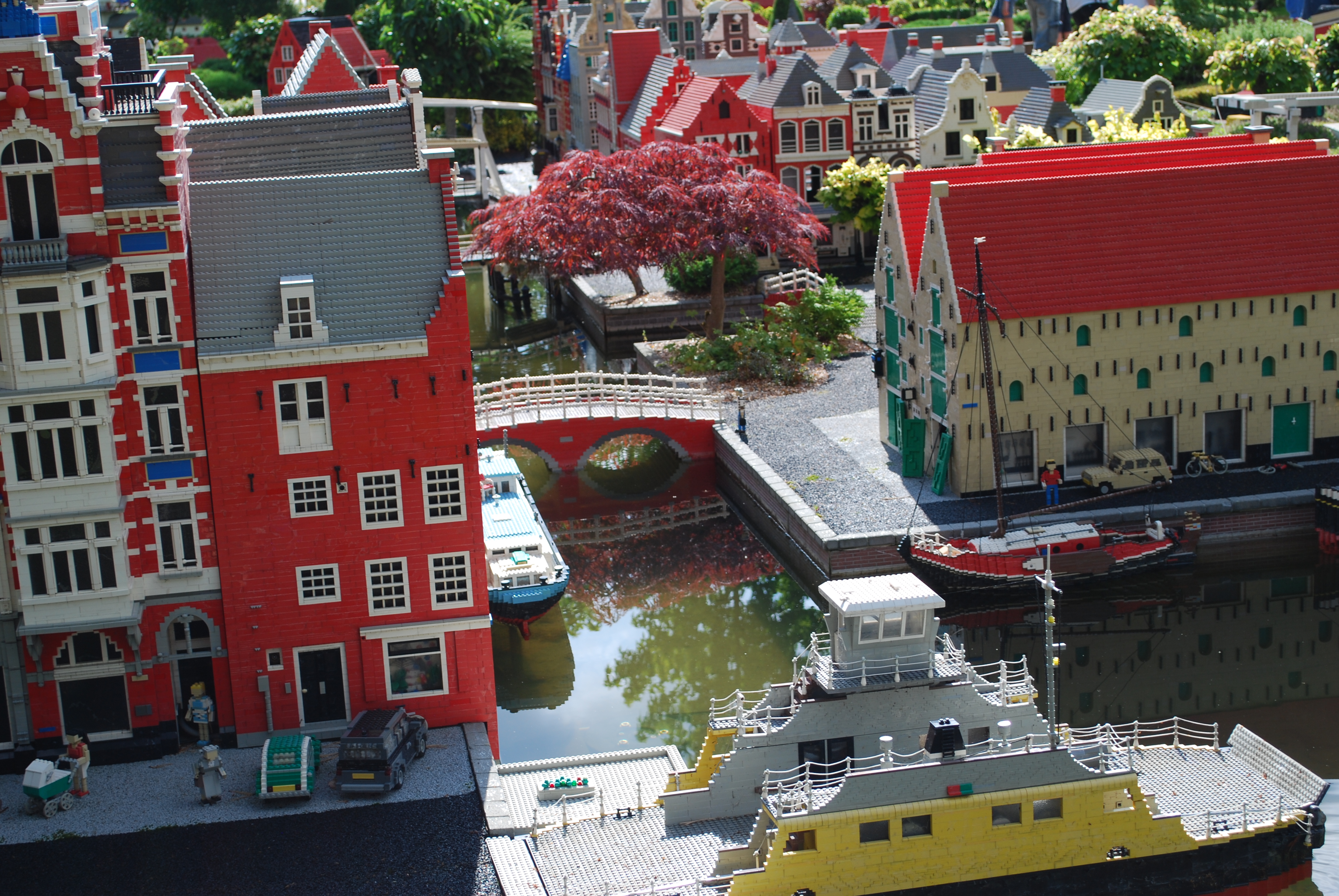
The children are having a blast. I read one day ago that Denmark is now the home of the happiest people on earth. It’s a good thing to be here when it happened. LEGOs are made or born in Denmark and it is a good experience for the children to see where some of their toys come from and how they come to life in Billund, Denmark. They are old enough never to forget the experience. The adventures have been awesome.

What will be hard for them to know is my heart felt wish or desire for the country where I was born. Unfortunately our experiences together in Nigeria in 2010 were mostly unpleasant. We spent 2½ hours at MMIA before our luggage were complete in our care, ran on generators for 2 weeks, nearly suffocated in heavy and static traffic, had limitations to where we could go and things we could do. The best thing about Nigeria was the warmth of our families and friends.

I have read the news, followed my twitter stream and stayed in touch with global events. I have read so many conspiracy theories on the Malaysia Airline plane that crashed in Ukraine. There are always more sad news than good news or maybe the good things are not always newsworthy. I am mostly worried about the things that are going on in Nigeria, a paradise lost.

Yea, Malala came to town. She was in Abuja to press for the release of the Chibok girls. Then the “bringbackourgirls” campaign group entered a one chance roforofo fight with the corrupt Nigerian presidency. Mr. Jonathan was at the fore front of a “fight” for once in a lazy presidential life time. I learnt he was bitter when he was refused the chance of meeting the Chibok parents.

I know there was an allegation of a missing $20 bn from a government that is now trying to borrow $1bn to fight Boko Haram. Who are the clowns in Aso rock? Everyday several billions of dollars are lost to oil theft only in Nigeria. Everyday too, Nigerian politicians loot several billion of dollars in the executive, legislature, state governments and local governments. That’s the way to explain their sudden riches and capabilities to buy up anything including the former tallest building in Lagos/Africa. They can buy customized private jets anytime they want. How much do they earn legitimately?

The government that steals so much money should be ashamed to even ask for the least borrow-able amount from any creditor. The same government is paying huge sums annually to foreign PR firms and lobbyists to help it repair its battered image and to label Nigerians in such ways as to promote the corrupt government. Only dubious creditors will be willingly to lend money to government that is supposed to be richer than it-the creditor. They call it business when they do.

There is no greater PR than eradicating corruption and serving the people rather than selves. The extremely low level of mentalities of the Nigerian politician leaves one in awe and shock. From the view of the rest of the informed world, it is mockery and easily set Nigeria among the countries ruled by nonentities. The classification, “among the most corrupt” is too easy.

There is at present a wave and fear of impeachment going on in Nigeria only in APC controlled states or in states where a governor brought a PDP-stolen mandate to the APC fold. My bigger expectation is for the Nigerian revolution that will totally impeach, sack and sweep altogether what is probably the most corrupt government in the world with headquarters in Aso Rock, Abuja.

Unless such happens, several million Nigerians will never experience the real meaning and essence of life. The witch-hunting and cosmetic approaches of politicians against politicians who are themselves the major problem with Nigeria are not close to the cleansing solution that Nigeria and Nigerians need. The Promised Land is getting farther.

I knew since 2011 that governance is on a long recess in Nigeria. The trend is common and predictable. Once an election period is over and the new captors of Nigeria settle down to amass, steal, loot and drain the treasuries, the struggle that will sustain or produce the next conquerors of Nigeria quickly goes into motion.

In the last three years, such a condemnable trend has produced the largest number of political prostitutes ever in Nigeria’s history. It is part of the reasons the wave of impeachment became the strongest weapon today, for rather than service to the people and fulfilment of electoral promises it was business as usual and psycho-egocentrism peculiar to the Nigerian political class. It is therefore too easy to line up impeachable offences against those on the other side of the power divide.

Nigeria’s politics is driven by insatiable lust for money and the highest bidders always buy the consciences of the ever-hungry looters called politicians (and sadly the populace too). In all, they are all birds of the same feather and 99.9% of them from Aso rock to Badagry and Sambisa local government areas ought to be spending time in jails by now. But we know that the institutions are dead in Nigeria, the worst hit being the powerless police and the strikingly corrupt judiciary.

The in-thing in Nigeria today is rice politics and stomach infrastructure. Nigerians have short memories and those who are old enough have learnt nothing from history. Even as a boy in primary school I was aware of the consequences of the politics of stomach infrastructure championed by one Shehu Shagari in the late 70s slash early 80s. The NPN was a short-sighted political group that distributed rice, clothes and even apartments to members to ensure that they rig and won the elections back in the days. The rest is history.

That history that includes the extensive reign of tyranny and dictators is what Nigerians have not learnt from. That the PDP, APC or any other party can distribute rice directly or through criminal sponsors is an indication that Lagbaja’s theory of 200 million mumus is a fact. I am short of words or expressions. The situation is not normal; Nigerians are caged, mentally and psychologically!

No matter where I go, no matter what I do. I will always argue for and on behalf of more than 90m Nigerians suffering in silence, disconnected totally from governance and having no idea of the meaning of life, how much more the good life in this temporary passage called earth or world.

I will always argue for social justice, the common good, and a clear understanding of the meaning and essence of life which is not far from the principle of live and let live. I know that illiteracy and total ignorance play huge roles in some parts of the country. I know that the North is a catastrophe based on narrations of friends who went up North.

What I saw in rural Oyo State during my service year in 1995/96 broke my heart. I saw very young and immature people having more children than the number of meals they can have daily. Even most of the adults have no clear scope of what types of life they were living. There is a lot of work to be done across the nations within Nigeria eventually. Education is a top priority now and in the future no matter what becomes of Nigeria or the regions enclosed within it.

My hope for Nigeria and the nations within it is that they will rise again and be on the path they were on the eve of October 1st 1960. The hope includes the rise of functional regional institutions that will usher or return good governance politically, economically and socially. Security of life and property through functional regional security is not the least of priority in a terrorist infected geographical space.

Nigerians are broken almost beyond repair and they need more than a miracle. Nothing short of a revolutionary ideology can save the day, nothing! It must be possible to wipe away corruption, nepotism, tribalism, looting and anything at all that stands in the way of the common happiness. There must be a way forward to build trust and comfort.

Happiness is all that matters in life. The excessive wealth piled up by Nigerian politicians is a reflection of their ill mental statuses, insensitivity to the plights of the deprived and an absolute lack of the understanding of the meaning and essence of life.

There must be a way to knock some senses into the politicians and public office holders that in a transient world, the senseless accumulation of wealth through direct stealing or looting is barbaric, meaningless and inconsistent with expectations of public services directed at humanity. If it takes a revolution of ideology or the over anticipated Saharan revolution, so be it. Silence on the part of a people being oppressed and misruled is not golden.

“Postcards from Denmark” is dedicated to:

1. A friend, Gbenga Akinbisehin (1973- July 16 2014). I heard about your death as a checked in at Malmö, you left too soon, too sudden. You’ll be missed.

2. Every non-corrupt Nigerian working genuinely hard everyday and never having the right to holidays. Your freedom will come.

aderounmu@gmail.com